

The technology sector is currently buzzing with the arrival of Flapping Airplanes AI Lab. This innovative research group secured 180 million dollars in seed funding recently. They want to move away from traditional training methods. While giants like OpenAI and DeepMind focus on massive data sets, this lab seeks a different path.
They prioritize data efficiency by looking at how the human brain actually works. This approach marks a significant shift in the broader AI research landscape today. Founders Ben Spector, Asher Spector, and Aidan Smith lead this creative team.
A New Vision for Intelligent Systems
They believe that current systems are like heavy airplanes rather than nimble birds. Therefore, they are building models that learn more like biological organisms. Their goal is to create intelligence that does not need billions of data points. As a result, AI could become much more accessible for various industries. Furthermore, this vision challenges the standard norms of modern machine learning.
Aidan Smith famously stated that the brain is not the ceiling for potential. Instead, he views the human brain as the starting floor for what is possible. This mindset drives their exploratory work into neuromorphic computing. Because they want to try radically different things, the lab avoids following common trends.
They are carving out a unique space within the competitive tech market. Such bold moves could redefine the future of foundation models globally. Consequently, the industry looks toward Flapping Airplanes AI Lab with great interest. Their work might solve the high costs associated with training large models.
For example, many experts agree that the current path of AI growth is not sustainable. By mimicking brain functions, this team offers a promising and efficient alternative. Their research could lead to a new era of practical AI adoption everywhere.
The Innovative Core of Flapping Airplanes AI Lab
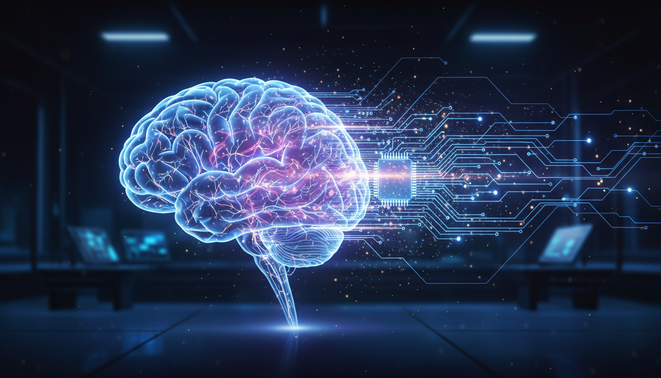
The team at Flapping Airplanes AI Lab focuses on a revolutionary path for machine learning. Instead of using more data, they look for better ways to process it. Their primary research involves neuromorphic AI which mimics biological brain functions. This approach helps create systems that learn like humans do. Consequently, these models do not require massive amounts of information to become smart.
The lab identifies several key research areas to achieve this goal:
- Developing data efficient algorithms that need less power.
- Exploring neuromorphic hardware that mirrors neural paths.
- Reducing the dependency on huge digital datasets for training.
- Enhancing the speed of learning in real world scenarios.
Rethinking the Foundation of Machine Learning
Traditional models are often data hungry and expensive to maintain. Companies like OpenAI and DeepMind use trillions of words to train their systems. However, Flapping Airplanes AI Lab believes this is not the only way forward. Ben Spector explained this by comparing modern AI to heavy machinery. He said that people should think of current systems as big Boeing 787 units. He noted that they are not trying to build birds. Instead, they want to create intelligence that is as agile and efficient as a living creature.
This philosophy allows the lab to stand out in the competitive AI market. By focusing on how neurons work, they can build smaller and faster models. These systems provide a unique value proposition for businesses with limited data. For more academic details on these structures, you can view research at this research paper which covers neural network dynamics.
The Economic Impact of Brain Inspired Models
The shift toward efficient learning has major implications for AI economics. Currently, training a large foundation model costs millions of dollars in energy. Neuromorphic designs could lower these costs by a significant margin. Therefore, smaller companies might finally have access to powerful tools. This democratization of technology is a core mission for the founders.
Aidan Smith highlighted their exploratory spirit during a recent talk. He stated that the brain is not the ceiling for what we can build. In many ways, he believes the brain is simply the floor. Because they want to try really radically different things, the team ignores standard industry trends. They are paving a new way for practical adoption across many sectors. Asher Spector and the rest of the leadership group continue to push these boundaries every day. Their work ensures that the future of intelligence is both sustainable and brilliant.
Comparison of Leading AI Research Organizations
The following table highlights how Flapping Airplanes AI Lab compares to other major players in the artificial intelligence sector. While some organizations focus on massive scale, others prioritize biological integration or efficiency.
| Organization Name | Primary Focus Areas | Funding Level | Distinctive Approach |
|---|---|---|---|
| Flapping Airplanes AI Lab | Neuromorphic AI & Data Efficiency | $180 Million (Seed) | Mimicking biological brain functions to reduce data dependency. |
| OpenAI | Foundational AI & Generative Models | Billions (Microsoft backed) | Scaling Large Language Models through massive data sets. |
| DeepMind | General Intelligence & Scientific Research | Alphabet Subsidiary | Combining reinforcement learning with advanced neural networks. |
| Neuralink | Brain Computer Interfaces | $300 Million+ | Direct physical integration between human brains and digital systems. |
This comparison shows that Flapping Airplanes AI Lab occupies a unique niche. They aim for software efficiency rather than just physical hardware links like Neuralink. Additionally, their model avoids the high resource needs of traditional labs. This strategy might help solve the privacy concerns discussed in the How does Vitalism movement reshape AI memory privacy? piece. Each organization contributes differently to the future of technology. However, the focus on brain inspired efficiency sets the Spector team apart from the rest.
Economic Shifts and Workforce Evolution
The transition toward efficient intelligence changes how organizations allocate their annual budgets for technology development. Instead of spending heavily on expensive cloud resources and third party servers, firms can now invest in specialized talent and internal research. This shift allows for a more creative approach to problem solving within the competitive tech industry today. Furthermore, the labor market will adapt to support these biological models across various sectors globally. Every company will need to rethink their technical strategies as these brain inspired systems become more common.
Core Advantages of Brain Inspired Systems
Businesses gain several strategic benefits when moving away from traditional data hungry frameworks used by competitors. The following list outlines the primary advantages for modern enterprises seeking to adopt these advanced tools:
- Operational costs drop significantly as energy needs decrease for server maintenance and physical hardware cooling systems.
- Edge computing allows for seamless on device operation without constant internet access which supports rural industries like agriculture.
- Specialized career paths such as neural design architects will emerge across the tech sector to support these biological models.
- Educational programs will prioritize reskilling for biological computing structures instead of traditional coding and standard digital programming logic.
- Data privacy improves because information remains on local hardware rather than moving to external cloud environments.
- Companies minimize expensive data cleaning tasks by utilizing brain inspired algorithms that learn from raw information quickly.
- Industrial sectors like remote farming or heavy factory production gain reliable intelligence in locations with poor internet connectivity.
Moreover, these advancements ensure that smaller companies can compete with industry giants without needing massive investment capital. Organizations like DeepMind also research ways to make technology more beneficial and accessible for everyone in society. Therefore, the widespread use of these tools will foster a more inclusive technological future for all nations and industries. This evolution marks a new chapter for global workforce productivity and long term economic stability for businesses everywhere.
Conclusion: A Future Defined by Brain Inspired Efficiency
The future of artificial intelligence looks bright because of groups like Flapping Airplanes AI Lab. They are pushing the boundaries of what machine learning can achieve today. By using biological inspiration, the lab creates systems that are both fast and smart. These innovations help businesses adopt powerful tools without the high costs of traditional data. This exploratory spirit will likely lead to major breakthroughs in the coming years.
Furthermore, the focus on neuromorphic research ensures that technology remains accessible to everyone. As we look ahead, the integration of these efficient models will drive global economic growth. Organizations like EMP0 are also leading the charge in practical AI applications. EMP0 specializes in delivering automation solutions that help companies scale their operations. Their expertise in sales and marketing automation aligns perfectly with the need for smarter systems.
Therefore, businesses can leverage these technologies to improve their overall efficiency. For more insights on AI driven growth, you should explore the resources provided by EMP0. You can visit their main website at EMP0’s main website to see their latest offerings. Check out their blog at EMP0’s blog for deep dives into automation trends. You can also follow them on Twitter or X at EMP0’s Twitter for daily updates.
For professional insights, visit their Medium page at EMP0’s Medium page to read more. The journey toward a smarter world is just beginning for all of us. This path leads to a more efficient and creative future for every industry. Finally, the work of Flapping Airplanes AI Lab proves that radical thinking can change the world.
Frequently Asked Questions (FAQs)
What makes Flapping Airplanes AI Lab unique in the current market?
Flapping Airplanes AI Lab stands out because it avoids the typical data heavy approach. Most companies focus on larger datasets to improve performance. However, this team looks at the human brain for better inspiration.
They build models that learn from very little information. This focus on efficiency makes them a leader in the new wave of neuromorphic research. Because they prioritize learning quality over quantity, they offer a fresh perspective. Consequently, their systems operate with a level of agility that others cannot match.
How much funding has Flapping Airplanes AI Lab received for its work?
The lab recently secured 180 million dollars in a massive seed funding round. This capital allows them to hire top talent and build advanced systems. Because they have strong financial backing, they can take bigger risks with their research.
Many investors believe that their efficient models will redefine industry standards. Consequently, the lab has the resources needed to challenge established giants like OpenAI. Therefore, they are well positioned for long term growth and constant innovation.
What are the primary research methods used by the lab?
They use neuromorphic methods that mirror biological processes within the brain. Traditional AI relies on transformers and massive compute power. In contrast, Flapping Airplanes AI Lab develops algorithms that process data more like neurons do.
This method requires significantly less energy and training time. As a result, the models are much more sustainable for long term use. Furthermore, they explore new software designs that support these innovative structures. Because they aim for efficiency, their work often uses fewer resources.
How will the work of Flapping Airplanes AI Lab impact the global workforce?
The workforce will likely see a shift toward roles that require neural design skills. As companies adopt these efficient systems, they will need experts to manage them. Workers may spend less time on manual data entry tasks.
Instead, they will focus on creative problem solving and system architecture. Therefore, the arrival of these tools creates exciting new opportunities for technical professionals everywhere. Additionally, businesses will be able to train staff more effectively using smarter tools. As a result, employees can focus on higher value activities.
What is the future outlook for the practical adoption of these models?
The future outlook for practical adoption is very positive for industries worldwide. Companies can soon deploy powerful AI on small local devices. This change reduces the cost of doing business while increasing privacy for users.
Furthermore, the work of Flapping Airplanes AI Lab helps bridge the gap between theory and real world usage. We expect to see these brain inspired models in everything from phones to factory machines very soon. Consequently, this technology will drive the next phase of global innovation and growth.