
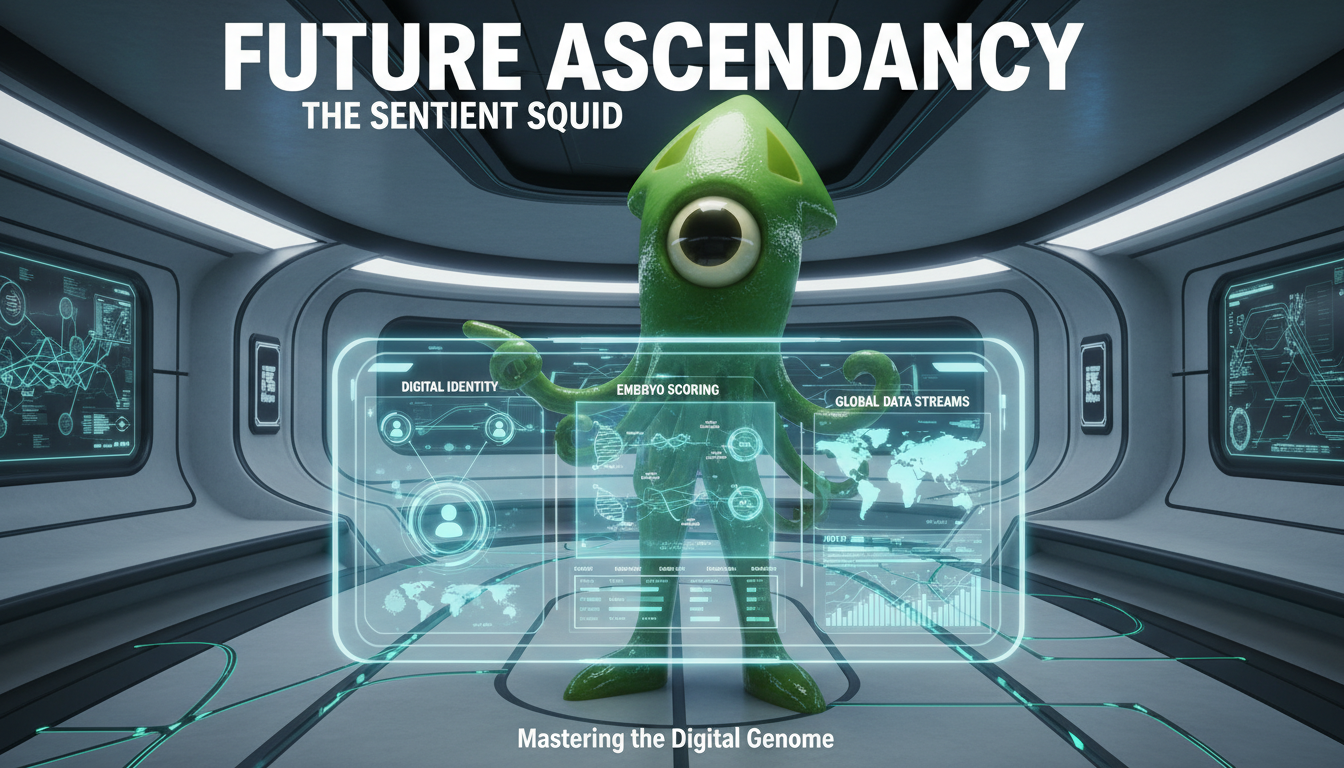
Digitizing India and Scoring Embryos in the Modern Age
The world is changing fast because technology touches every part of our lives. We see a giant shift in how nations manage data and how life begins. This narrative of digitizing India and scoring embryos shows two different scales of human progress. One part involves massive networks that connect billions of people. The other part involves tiny cells that hold the promise of a new life. These stories prove that data can help both the public and the private person.
The Scale of Digital Identity
India leads the world in digital identity systems. The system called Aadhaar is the largest of its kind. It serves as a digital backbone for banking and health services. Therefore, many citizens now have more opportunities than ever before. As a result, this infrastructure shows the power of scale in the digital age. Consequently, you can find more news at Wired about these global shifts.
Breakthroughs in Genetic Science
Meanwhile, scientists are making big steps in reproductive health. Embryo scoring is now a top breakthrough technology according to major reports. This method uses smart algorithms to pick the healthiest embryos for parents. While the cost is often high, the success rates continue to improve. Specifically, many researchers write for Technology Review to share these findings.
Key Focus Areas
We focus on several major topics in this review:
- The expansion of digital systems for public welfare.
- The use of AI to solve complex biological questions.
- New trends in food science and sweetener production.
- The future of social media rules for young users.
These developments show that code and biology are merging. We live in an era where digital tools fix real world issues. Join us as we look at the latest headlines in this space.
The Global Impact of Digitizing India and Scoring Embryos
India has achieved a massive feat in modern technology. Because of this progress, the nation built a system called Aadhaar. This system provides a digital identity to millions of people. Nandan Nilekani played a key role in this project. Therefore, his vision helped build a strong digital infrastructure across the land. This setup allows for better government services and banking for every citizen. Consequently, people can access their money easily in remote areas.
In addition, the system helps in healthcare delivery for the poor. Moreover, the country is more connected than ever before. Because of these tools, the economy grows faster every year. Digital transformation is not just about code. It is about changing how people live and work. For instance, many people now use smartphones for daily tasks. As a result, the digital gap is closing in many parts of the country.
- Specifically, Aadhaar gives a unique ID to every person in the country.
- As a result, digital identity helps reduce fraud in electronic payments.
- For instance, banks use the system to verify new users quickly.
- Furthermore, health centers track patient records through this secure network.
- Consequently, government officials can distribute aid without any middle agents.
The focus on digitizing India and scoring embryos shows how technology scales. Because technology grows, one part helps a nation and the other helps families. Specifically, embryo scoring uses data to improve success in clinical settings. However, the costs for these breakthroughs remain a challenge for many people. Therefore, tech leaders continue to seek better ways to lower prices. You can see more updates on global trends at BBC or Forbes for deep analysis. Scientific data on these topics often appears on MIT for students and experts alike.
In conclusion, the link between digitizing India and scoring embryos is about data. Both fields use information to make better choices for humans. Because data is so powerful, we must use it with great care. As a result, the future of digital identity and healthcare looks bright. Therefore, we should support these innovations for a better world.
Comparison of New Breakthrough Technologies
We can compare these different tools to understand their value. Each technology addresses a unique challenge in the modern world. Therefore, we provide a clear view of their costs and benefits. This comparison helps leaders make better choices for their future projects. As a result, society can adapt to these changes more effectively.
| Technology Name | Description | Cost | Impact |
|---|---|---|---|
| EmTech AI 2026 | MIT Technology Review business leadership event Focuses on upcoming trends | Registration fees apply | Features Five AI Predictions for 2026 Influences corporate strategy |
| Embryo scoring | Advanced genetic testing for fertility One of the 10 Breakthrough Technologies | Up to 50000 USD | Enhances reproductive success Selects the healthiest embryos |
| Sugar tech process | Bonumose project using maltodextrin Produces natural tagatose | Industrial development costs | Provides sweetener with fewer calories Manages sugar as a critical resource |
This table shows how different sectors use data and science. While digitizing India and scoring embryos seem different, both rely on high quality information. Specifically, we see how AI and biology work together to solve human problems. Consequently, these innovations will shape the next decade of progress. Parents and business leaders alike must stay informed about these shifts. For more deep dives, you can check the latest reports on MIT Technology Review or follow industry news on Reuters for daily updates.
High Costs and High Hopes: Digitizing India and Scoring Embryos
Technology moves at a very fast pace today. Therefore, we see incredible changes in medicine and identity. One major area is embryo scoring technology. This process uses smart software to rank embryos during fertility treatments. Because of this, parents have a better chance of a healthy birth. This technology improves the lives of many people every day.
MIT Technology Review selected this as a top breakthrough recently. Specifically, it belongs to the 10 Breakthrough Technologies list for the year. However, the cost of this testing is quite high for most people. For instance, some families pay up to 50000 USD for these services. This price tag creates a barrier for many average citizens. As a result, the economic impact is a major topic for debate among global leaders.
To address these barriers, governments are looking at new solutions for fair access. Specifically, a policy oriented approach helps bridge the gap between innovation and affordability. Leaders must ensure that life changing health tools reach all social classes. By implementing strategic frameworks, nations can foster more inclusive medical advancements. You can find more research on these solutions at WHO or other global health sites.
Policy levers
- Subsidies or public funding for testing
- Broader insurance coverage
- Open data or public research funding
Furthermore, we must address privacy and ethics. As genetic data becomes digital, protecting sensitive information is vital. Rules should ensure that parents own their data and that clinics use it ethically.
The theme of digitizing India and scoring embryos reflects a modern divide. While India builds massive digital systems for everyone, health tech remains expensive. Therefore, global leaders must find ways to reduce these costs. Similarly, researchers want to expand access to high quality medical care. Because data is so valuable, we must share it fairly across borders. In addition, new digital identity tools help verify patient records safely.
Research at schools like Virginia Tech helps push boundaries in other fields too. For example, Yi Heng Zhang developed new processes in food science recently. Although his path was difficult, his work on tagatose is notable for health. Consequently, we see how individual scientists can change the world with code and biology. Innovations in one field often lead to wins in another. Furthermore, these breakthroughs depend on legal trust and public support.
The connection between digitizing India and scoring embryos is strong because of data. Both fields rely on huge amounts of information to succeed. Because data is the new oil, nations compete to control it carefully. This reminds us of a famous quote about the global battle to control resources. Specifically, the battle to control sugar is similar to the battle for oil. Furthermore, secure digital identity systems help track health outcomes over time.
Key Takeaways for Future Tech
- Data helps identify genetic risks in very early stages.
- New algorithms provide higher accuracy than human eyes alone.
- India shows that scale can lower the price of digital tools.
- Scientists like Yi Heng Zhang remind us of the hard work in labs.
Many experts believe that AI will soon lower the cost of healthcare. Thus, we might see the price drop below 50000 USD in the future. Moreover, cheaper genetic testing will help more families across the globe. For this reason, we must invest in public research and open data. Finally, we should look at how tech news sources like MIT Technology Review report these wins. You can find more details about these topics at Nature or Scientific American for deeper study.
Conclusion: The Future of Digitizing India and Scoring Embryos
The future of global technology is changing because of massive digital shifts. We have explored the combined impact of digitizing India and scoring embryos in this review. One story shows how identity systems can serve millions of people at once. Meanwhile, the other story highlights the precision of genetic science for individual families. These breakthroughs demonstrate that data is the core of modern progress. Therefore, staying informed is the best way to prepare for what comes next.
EMP0 supports this journey by providing powerful AI and automation solutions. Specifically, our tools help teams manage complex data with high accuracy. This level of precision is very similar to the algorithms used in embryo scoring today. Consequently, we allow businesses to scale their operations without losing quality. We believe that smart technology should be accessible to all leaders. Furthermore, we focus on making digital transformation a smooth process for every client.
You can find more insights by visiting our blog at our blog today. There, we discuss the intersection of code and biology in great detail. Moreover, you should check for updates on global trends at BBC or Forbes for more news. These sites provide excellent coverage of the latest innovations in the tech world. We invite you to join our community as we build the future together. Finally, remember that the right tools make all the difference in a digital world.
Frequently Asked Questions (FAQs)
These questions address common concerns about the latest shifts in technology. We focus on how data affects national identity and medical breakthroughs. Understanding these trends helps people navigate the modern world. Therefore, here are the most relevant answers for curious readers.
What is the value of digitizing India and scoring embryos?
This intersection shows how data management impacts both large nations and small families. Digitizing India and scoring embryos uses advanced algorithms to improve lives. While India builds digital identities for billions, medical tech helps parents pick healthy embryos. Consequently, both fields rely on high quality information systems to succeed.
How does Aadhaar support digital transformation in India?
Aadhaar provides a secure digital identity for every citizen. This digital infrastructure allows people to access government services and banking easily. It reduces fraud and ensures that aid reaches the right people. Consequently, India has become a global leader in using code for social welfare. You can see more at UIDAI for details.
Why is embryo scoring considered a breakthrough technology?
This technology uses smart software to evaluate embryos during fertility treatments. MIT Technology Review recognizes it because it improves success rates for parents. By picking the best cells, doctors help families achieve their dreams. It represents a major leap in how biology and AI work together. Learn more at MIT Technology Review for info.
What are the economic challenges of these technologies?
The main challenge is the high cost of these tools. For instance, some genetic tests can reach up to 50000 USD. This price makes it difficult for many families to afford life changing care. Therefore, tech leaders are working to find ways to make these innovations more affordable. Reports on this exist at World Bank online.
How do digital identity systems improve healthcare delivery?
Digital identity tools like Aadhaar help clinics track patient records accurately. This ensures that doctors have the correct information at the right time. Furthermore, it helps in the fair distribution of medical supplies. As a result, the healthcare system becomes more efficient and transparent for every citizen. Health trends are updated at WHO for everyone.