
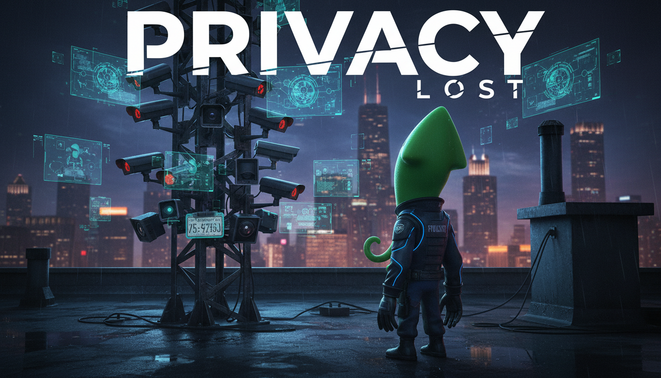
The Hidden Risks of Chicago’s Surveillance Network
Imagine you walk through the Windy City while thousands of lenses track your every move. This is the daily reality under Chicago’s surveillance network. The city currently operates a massive grid that monitors millions of citizens. Experts estimate that the urban landscape contains up to 45,000 cameras. Consequently, the scale of this monitoring system raises serious questions about public freedom and individual rights.
Beyond simple video feeds, the city also manages a huge license plate reader system. This technology records vehicle movements across every major intersection and side street. Because the database is so vast, it creates a permanent record of where people go. Law enforcement claims these tools provide safety for the general public. However, many residents feel that such deep oversight erodes the basic right to privacy in public spaces.
Does such a vast digital dragnet actually make people safer in the long run? Or does it simply create a culture of constant fear and suspicion among the population? As technology advances, the line between security and control becomes increasingly thin. Therefore, we must examine the societal costs of living in a glass cage. Since the infrastructure grows every year, the debate over its necessity becomes more urgent. This article explores the infrastructure behind the scenes and its impact on your life.

The Components of Chicago’s Surveillance Network
The city relies on a massive array of hardware to monitor its residents. At the core of this infrastructure are the thousands of surveillance cameras placed on street corners and public buildings. Many security experts note the sheer volume of these devices. One report states that Chicago has tens of thousands of surveillance cameras and up to 45,000 by some estimates. This vast grid provides a constant stream of video to central command centers.
The network includes several layers of technology:
- High quality surveillance cameras that capture clear images.
- Sophisticated license plate reader systems that track vehicle locations.
- Integrated software that links private cameras to police networks.
Because these tools are everywhere, anonymity in the city has largely disappeared. You can read more about the impact of these systems at ABC7 Chicago.
Private Integration in Chicago’s Surveillance Network
The city also expands its reach by tapping into private devices. For example, many homeowners use Ring doorbell cameras to protect their property. However, police often request access to this footage to help solve crimes. This turns private neighborhoods into extensions of the state monitoring system. As a result, the boundary between public and private life becomes blurred.
Furthermore, the license plate reader systems scan millions of plates every single day. These devices allow the city to create a map of every trip you take. Because the data is stored for months, it builds a history of your personal movements. Therefore, critics argue that the system creates a digital cage for innocent citizens. You can see official concerns about these expansions at CCPSA Chicago.
While officials claim these tools stop crime, data suggests the results are often mixed. Some studies show that cameras solve only a tiny fraction of serious offenses. Consequently, the high price of this technology remains a point of heavy debate. The city continues to add more hardware despite these ongoing concerns. For example, some new projects aim to add even more cameras to the urban landscape. Learn about these updates at Chicago Star Media.
Analyzing City Surveillance Technology
Chicago deploys diverse hardware to monitor public life. These tools help the city gather data and track events. However, the presence of such systems creates major privacy concerns. Because the network grows every year, people must understand the trade off between safety and freedom. Consequently, comparing these tools helps clarify their impact on society.
The table below explains the primary components of the grid. It outlines how they work and what they mean for your rights.
| Technology | Primary Use | Main Benefit | Privacy Risk |
|---|---|---|---|
| Surveillance Cameras | Video capture | Crime records | Public tracking |
| License Plate Readers | Tag scanning | Car searches | Path tracking |
| Ring Doorbell Cameras | Home alerts | Local safety | Police feeds |
You can explore digital rights topics at Electronic Frontier Foundation and find technical news at Wired. In addition, privacy experts share updates at ACLU.
Privacy Erosion in Chicago’s Surveillance Network
The rapid growth of Chicago’s surveillance network creates a deep sense of unease. Many residents feel that their personal privacy is disappearing every single day. Because cameras watch every corner, citizens feel like they are always under a microscope. This constant monitoring changes how individuals act in public spaces. Consequently, the feeling of freedom begins to fade away for many. People may avoid certain areas because they want to remain anonymous. This shift marks a significant change in urban life. You can read more about these concerns at the Electronic Frontier Foundation website.
Free Speech Concerns and Chicago’s Surveillance Network
The impact on free speech is another major concern for local activists. Because the city can track faces and movements, people might fear joining protests. Therefore, a silent chill falls over political expression in the streets. When the state knows who attends a rally, it holds immense power over dissent. Authorities can use this power to target specific groups or individuals who challenge authority. As a result, many people choose to stay home instead of speaking their truth. The city must balance these risks against the promise of security. Research from the Brennan Center for Justice details these issues further.
Public Safety Claims for Chicago’s Surveillance Network
Officials often defend the expansion of the grid by highlighting crime reduction. Law enforcement and security advocates say this vast monitoring system protects public safety and works well. They believe that more data leads to faster arrests and better prevention of violence. However, the data often shows a different story about the actual results of these programs. Critics point out that large budgets could go toward social programs instead of hardware. Because the system is so expensive, citizens deserve to see real proof of its value. Finding a middle ground remains a difficult challenge for the community. You can find more data on police technology at the Marshall Project.
Concluding Thoughts on Chicago’s Surveillance Network
Chicago’s surveillance network is a powerful tool with complex consequences. The city now manages a massive grid with 45,000 cameras and license plate readers. While some people feel safer, others worry about the loss of personal freedom. Consequently, the debate over public monitoring will continue for years to come. Authorities must ensure that security benefits do not destroy the right to privacy. Therefore, finding this balance is the most important challenge for modern urban planning.
Fortunately, technology companies like EMP0 offer smart ways to handle this tension. They provide AI and automation solutions that support secure and ethical systems. These tools help organizations manage data while protecting individual rights. By using automated oversight, cities can improve accuracy and prevent misuse of information. Because ethical technology focuses on transparency, security remains a benefit rather than a burden. As a result, we can build safer cities without losing our basic freedoms.
Furthermore, you can follow the work of EMP0 through their official blog. They continue to lead the way in responsible automation and digital strategy. Explore their detailed insights on technology and society at EMP0’s Blog. By staying informed about these tools, citizens can better advocate for their rights. The future of our cities depends on ethical innovation and public trust.
Frequently Asked Questions (FAQs)
What defines Chicago’s surveillance network in the modern era?
Chicago’s surveillance network refers to the integrated system of cameras and sensors across the city. This grid connects public devices with high speed software for real time monitoring. Because the system is so large, it covers almost every public square and transit hub. Consequently, officials use it to track criminal activity and manage traffic flow. Therefore, the network serves as a digital eye for law enforcement.
How many devices currently operate within Chicago’s surveillance network?
Recent estimates suggest the city maintains an incredible number of devices. Chicago’s surveillance network includes up to 45,000 cameras according to various reports. City workers place these units on utility poles and city buildings. Because of this high density, the city holds one of the most monitored urban environments. As a result, this scale allows for constant observation of pedestrian and vehicle traffic.
How do license plate reader systems function within the city grid?
License plate reader systems are specialized tools that scan vehicle tags automatically. These sensors capture the plate number and location of every passing car. Because the data is stored in a database, police can track where a vehicle has traveled over time. This technology helps locate stolen cars or suspects in active investigations. However, critics worry that the system builds a detailed map of innocent people’s lives.
Does Chicago’s surveillance network integrate with private security devices?
Yes, the city often partners with homeowners to expand its reach. Local police departments frequently request footage from Ring doorbell cameras during investigations. Because these private devices are so common, they add thousands of extra eyes to the city oversight. Therefore, your home camera might become part of a larger police inquiry. This connection creates a hybrid system where public and private monitoring merge together.
What are the primary societal impacts of Chicago’s surveillance network?
The network has a profound impact on how people experience life in the city. Many residents feel a sense of constant pressure while they are in public. Because cameras record every move, some individuals may avoid expressing their political views openly. This creates a potential chill on free speech and social gatherings. While safety is a primary goal, the erosion of privacy remains a heavy cost. Thus, the city must address these concerns to maintain public trust.
How long is data kept within Chicago’s surveillance network?
Information storage periods vary significantly depending on the specific device used. Most license plate records remain in the city database for several months. In contrast, standard video feeds might be saved for a shorter window unless they are tagged as evidence for a crime. Because these digital records persist for a long time, they create a permanent history of civilian movement. Consequently, this storage policy remains a primary concern for those worried about long term tracking.
Can citizens exercise opt out rights for Chicago’s surveillance network?
Residents currently have very few ways to avoid being monitored in the public square. You cannot opt out of being recorded by cameras mounted on utility poles or public buildings. However, you can choose to keep your private home security footage away from police databases. Therefore, while you maintain control over your own property, the city grid monitors everyone who enters public spaces. This lack of choice emphasizes the need for stricter rules on how the city uses this massive infrastructure.
Ultimately, these questions highlight the deep tension between public safety and individual privacy. As the system expands, residents must stay informed about how their data is used. Protecting your rights begins with understanding the technology that watches over the urban landscape.