
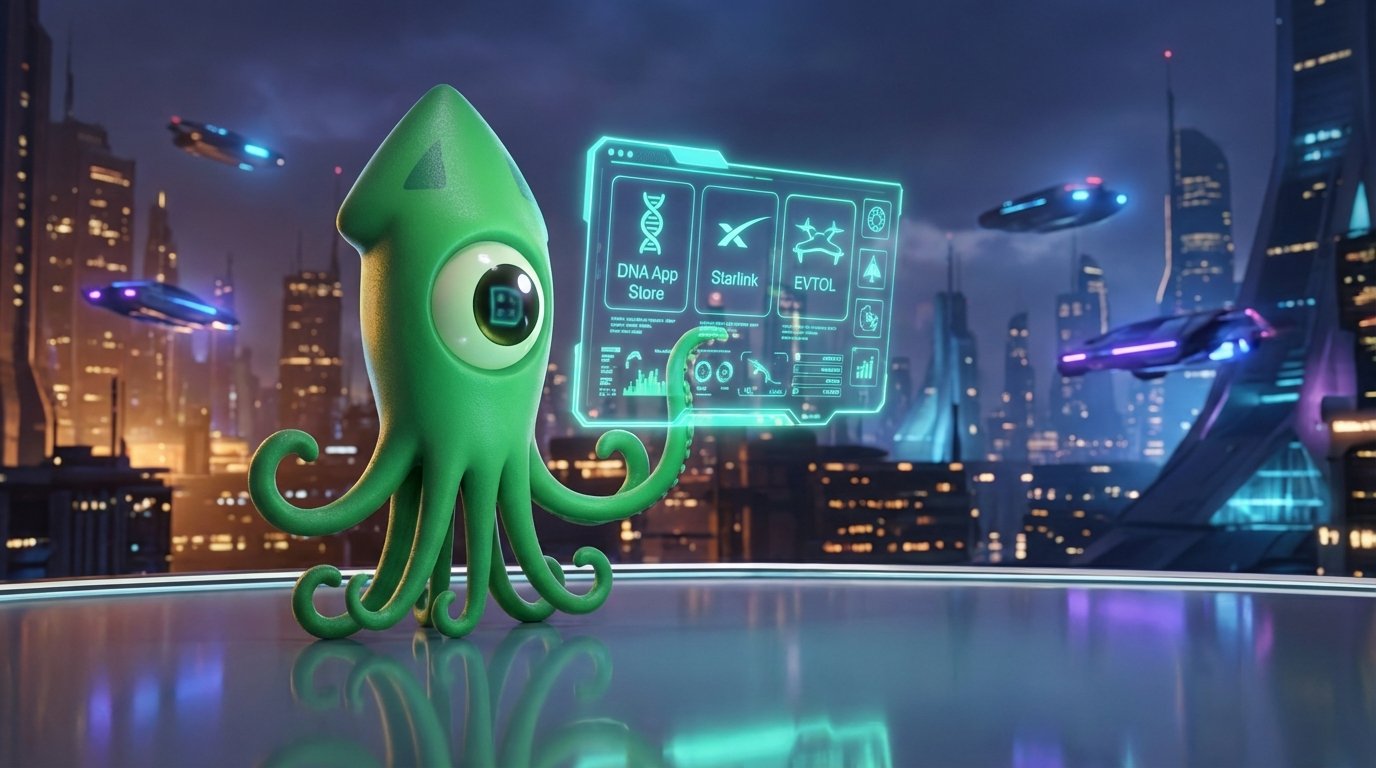
The Promise and Peril of Innovation
Technology often presents a dual reality. On one hand, it can be a powerful force for good, driving progress that improves lives. On the other hand, it can also be a factory for immense hype, unfulfilled promises, and even harmful ideas. This complexity is central to understanding Breakthrough Technologies: lessons from failures and a hopeful view on responsible innovation. We often hear about the dazzling successes that reshape our world. However, the stories of technologies that did not succeed are just as important.
For every celebrated invention, many more promising concepts falter. They fail due to privacy issues, manufacturing hurdles, or poor market timing. Examining these flops provides critical insights. For instance, the ambitious DNA app store and Google’s Project Loon balloon internet both captured imaginations but ultimately shut down. These examples teach us valuable lessons about the path from a brilliant idea to a viable, world changing product. By studying these failures, we can approach the future of technology with wiser, more grounded optimism.

When Brilliance Is Not Enough: Learning from Failure
The road to innovation is littered with brilliant ideas that never reached their full potential. History shows that even the most celebrated concepts can stumble. Understanding why these ventures fail is crucial for building a better future. The stories behind these ambitious projects offer powerful insights into the complexities of technological development and market adoption.
Lessons from Failures in Breakthrough Technologies
Examining past flops reveals recurring themes. Privacy, manufacturing hurdles, and commercial viability often prove to be major obstacles. These challenges highlight the gap between a groundbreaking idea and a sustainable product.
- Helix and the DNA App Store: In 2016, Helix launched a marketplace for DNA based apps, promising personalized insights into health and ancestry. However, the platform shut down its consumer side due to significant privacy concerns. Users grew wary of sharing sensitive genetic data, and questions about the accuracy of third party apps eroded trust. This failure underscores the immense responsibility that comes with handling personal information and the need for robust ethical frameworks.
- Nantero’s Universal Memory: Nantero aimed to revolutionize data storage with its carbon nanotube based universal memory. The technology promised the speed of RAM with the persistence of flash storage. Yet, it faced immense scaling and manufacturing challenges. Variations in nanotubes made consistent production difficult, and the established memory industry was too entrenched to displace easily. This case demonstrates that a superior technology on paper can fail if it cannot be manufactured reliably and cost effectively at scale.
- Lytro and Light Field Photography: Lytro introduced cameras that could refocus pictures after they were taken, a truly innovative leap in photography. The company, however, ceased operations in 2018. It was ultimately outpaced by the rapid advancements in smartphone cameras. Companies like Apple and Google integrated similar computational photography features, making Lytro’s dedicated hardware a niche product with limited appeal. Lytro’s story is a classic lesson in market timing and the power of incumbent platforms.
- Google X’s Project Loon: The goal of Project Loon was audacious: to deliver internet access to remote areas using high altitude balloons. Despite its noble ambitions, Google X shut down the project in 2021. The official reason cited was that the road to commercial viability was longer and riskier than anticipated. Astro Teller, the head of X, admitted the difficulty in creating a sustainable business model. Project Loon’s demise shows that even with the backing of a tech giant, solving huge infrastructure challenges requires more than just innovative engineering; it needs a clear path to profitability.
| Technology Name | Year Highlighted | Reason for Failure or Success | Lessons Learned |
|---|---|---|---|
| Successes | |||
| Starlink | Ongoing | Successfully deployed a large constellation of low orbit satellites, addressing a clear market need for global internet access. | A strong infrastructure and a viable business model are key to overcoming massive logistical challenges. |
| EVTOL (Flying Cars) | Ongoing | Progressing toward commercial availability, capturing the public’s imagination and attracting significant investment. | Navigating complex regulatory landscapes and managing public perception are as crucial as the technology itself. |
| Failures | |||
| Helix DNA App Store | 2016 | Shut down due to growing consumer privacy concerns and doubts about the accuracy of third party applications. | Handling sensitive data requires earning and maintaining user trust through transparency and robust ethical guidelines. |
| Lytro Light Field Camera | 2018 (Shutdown) | Became obsolete as smartphone cameras rapidly integrated advanced computational photography features, making standalone devices unnecessary. | Market timing is critical; a breakthrough product can be quickly overtaken by incumbent technologies that adapt and innovate. |
| Project Loon | 2021 (Shutdown) | The path to commercial viability proved too long and risky, making the business model unsustainable despite the innovative technology. | Even with powerful backing, ambitious infrastructure projects must have a clear and achievable path to profitability to succeed. |
Beyond the Code: Society’s Role in Shaping Technology
Breakthrough technologies do not emerge in a vacuum. Instead, they are deeply embedded in our cultural, social, and economic landscapes. The success or failure of an innovation often depends as much on these external forces as it does on the brilliance of its engineering. As one observer noted, “two things can be true. Technology can be a real and powerful force for good in the world. It can also be just an enormous factory for hype, bullshit, and harmful ideas.” This duality captures the tension at the heart of modern innovation.
In recent years, a growing wave of skepticism, often called “techlash,” has shifted public perception. High profile failures and ethical missteps have eroded trust. People are now more critical of how their data is used, how algorithms shape their experiences, and whether new technologies truly serve their best interests. This climate of caution creates a challenging environment for innovators, who must now prove their creations are not only viable but also responsible.
A Hopeful View on Responsible Innovation
Navigating this complex terrain requires a delicate balance. On one hand, innovators face immense pressure to deliver commercially successful products. On the other, they must contend with a web of societal expectations and regulatory hurdles. The journey of electric vertical takeoff and landing (EVTOL) aircraft, or flying cars, perfectly illustrates this. While the technology is advancing rapidly, its widespread adoption hinges on overcoming massive regulatory challenges and gaining public acceptance.
Several key factors consistently influence the trajectory of new technologies:
- Public Trust: As the Helix DNA app store demonstrated, a lack of trust around privacy and data security can completely derail an otherwise innovative idea.
- Economic Viability: A sustainable business model is non negotiable. Project Loon’s failure teaches us that even world changing ambitions must eventually find a way to be profitable.
- Regulatory Frameworks: Innovations like EVTOLs cannot succeed without clear, supportive regulations that ensure safety and manage societal impact.
- Ethical Considerations: Today’s innovators must proactively address potential harms. For example, discussions around AI generated data and recommendation algorithms now focus on preventing model collapse and promoting healthier user engagement.
Ultimately, the most enduring breakthroughs will be those that are developed with a deep understanding of their human context. By learning from past failures, innovators can adopt a more thoughtful and responsible approach, paving the way for a future where technology truly serves humanity.
CONCLUSION
The journey of breakthrough technologies is a powerful teacher. The lessons from failures show us that innovation is about more than just a brilliant idea. It requires a deep understanding of timing, market needs, and most importantly, human trust. By embracing both skepticism and hope, we can navigate the hype and build a future where technology solves real problems responsibly.
This philosophy of practical, secure innovation is at the core of companies like EMP0. As a leader in AI and automation, EMP0 provides powerful tools like its Content Engine and Sales Automation solutions. What sets them apart is their commitment to deploying these AI systems securely within their client’s own infrastructure. This approach directly addresses the privacy and trust concerns that have derailed so many other technologies. By focusing on creating tangible value and multiplying revenue securely, EMP0 exemplifies the hopeful path forward for responsible innovation.
To learn more, visit:
- Blog: articles.emp0.com
- n8n: n8n.io/creators/jay-emp0
Frequently Asked Questions (FAQs)
What are breakthrough technologies?
Breakthrough technologies are innovations with the potential to create a significant positive impact on society, industry, or our daily lives. They often promise to solve major problems or unlock entirely new possibilities, like providing global internet access or revolutionizing personal medicine. However, as this article explores, a technology’s potential does not guarantee its success. Many of these concepts exist in a delicate balance between being a powerful force for good and a source of unfulfilled hype and unforeseen challenges.
Why do so many promising technologies fail?
Promising technologies fail for a wide range of reasons that often have little to do with the quality of the idea itself. The most common hurdles include: unresolved privacy and ethical concerns, as seen with the Helix DNA app store; insurmountable manufacturing or scaling challenges, which affected Nantero’s universal memory; poor market timing or being outmaneuvered by existing players, like Lytro’s camera being overtaken by smartphones; and the inability to find a sustainable and profitable business model, which was the ultimate downfall of Google’s Project Loon.
What are the key lessons learned from studying tech failures?
The most critical lesson is that technology does not succeed in a vacuum. Success is deeply connected to social, cultural, and economic factors. Innovators must look beyond the engineering and consider public trust, regulatory landscapes, and commercial viability from the very beginning. Studying failures teaches us to be cautiously optimistic and to understand that a holistic, human centered approach is essential for turning a brilliant idea into a lasting, beneficial reality.
What is the role of responsible innovation?
Responsible innovation is the practice of developing technology with a proactive and thoughtful approach to its potential societal impacts. It means building in ethical considerations, privacy protections, and user trust from the ground up, rather than treating them as afterthoughts. In an era of growing public skepticism or “techlash,” responsible innovation is no longer optional. It is a fundamental requirement for any technology to gain the social license needed to operate and achieve widespread adoption.
How do companies like EMP0 embody a more responsible approach?
Companies like EMP0 represent a shift toward more practical and responsible innovation. Instead of chasing hype, they focus on delivering tangible value through AI and automation tools that solve real business problems. Crucially, EMP0’s philosophy includes deploying its technology securely within a client’s own infrastructure. This directly addresses the data privacy and trust issues that have caused other ventures to fail, demonstrating a model where powerful technology and responsible implementation go hand in hand to create sustainable success.