ALS Avatar Digital Twin Technology
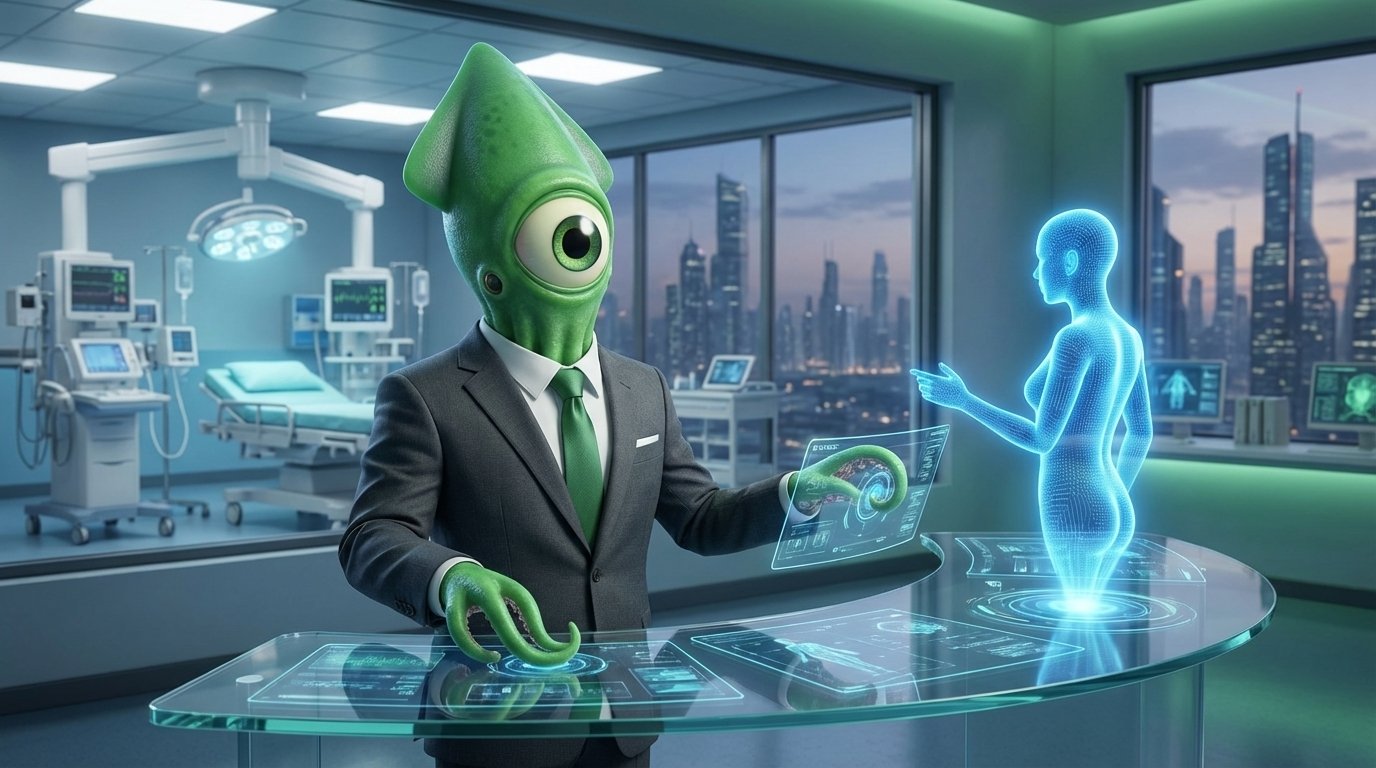
ALS avatar digital twin technology is reshaping how people with neurodegenerative diseases communicate and stay connected. Digital avatars and assistive AI create lifelike agents that preserve voice, personality, and presence. For patients with ALS, this technology offers a new kind of agency and dignity because it extends communication when speech fails. Moreover, virtual caregivers and personalized digital twins can support routines, reminders, and emotional connection. As a result, clinicians and families gain tools for caregiving and decision making that were not possible before.
Jon Medved’s own ALS journey brought this reality into focus. He experienced a demo using a digital twin developed with D-ID and ElevenLabs, and he described how it could preserve his voice. That personal context makes the potential feel immediate and urgent. Therefore, this article explores startups building assistive avatars, the ethics they face, and the practical benefits for patients, clinicians, and loved ones alike. We will examine real projects and early outcomes.
ALS avatar digital twin technology: startups preserving voice and dignity
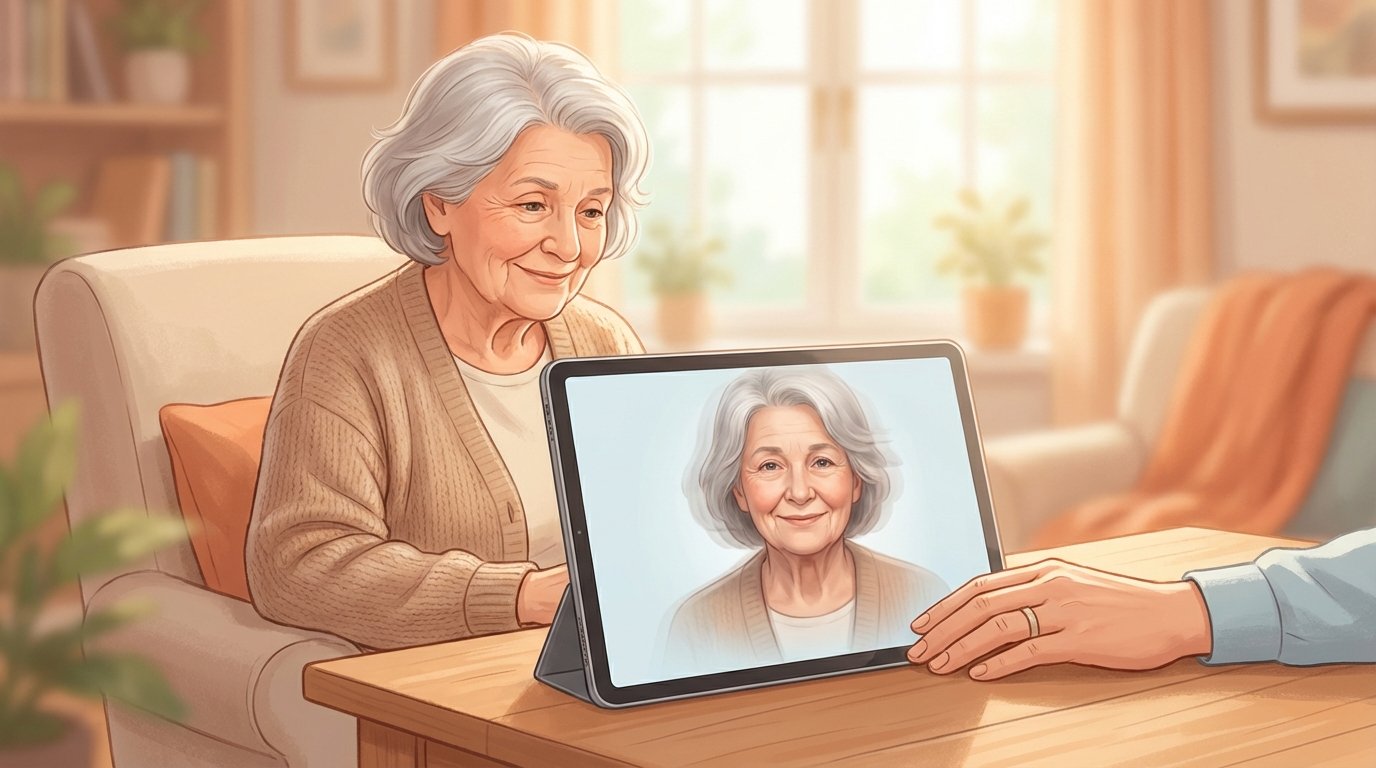
Startups are pioneering lifelike digital twins that help people with ALS stay present and heard. Companies such as D-ID and ElevenLabs combine visual synthesis, neural speech models, and privacy engineering to recreate natural expressions and familiar voices. Moreover, the Scott-Morgan Foundation brings lived experience into design, which improves authenticity and consent. For example, D-ID focuses on realistic facial movement, while ElevenLabs models speech with nuance and emotion. As a result, these systems preserve communication when speech fades, and therefore they help protect personal dignity.
Clinicians report fewer communication gaps, and families feel less isolated. Early pilots show reduced caregiver stress and smoother telehealth consultations. Additionally, digital twins can deliver routine reminders and record patient preferences to inform care. Teams emphasize secure data handling and user control to guard identity and autonomy.
Jon Medved, who tested a demo, described how the avatar could preserve his voice and presence. In short, this wave of assistive AI moves from proof of concept to real patient care benefits. To explore the companies shaping this field, see D-ID, ElevenLabs, and Scott-Morgan Foundation.
| Startup Name | Key Technology | Application Focus | Notable Collaborations | Impact/Outcome |
|---|---|---|---|---|
| D-ID | Visual synthesis facial animation | Lifelike avatars for patient presence and communication | ElevenLabs Scott-Morgan Foundation | Preserves facial expressions and presence; reduces communication gaps |
| ElevenLabs | Neural speech synthesis voice cloning | Natural speech for assistive communication | D-ID Scott-Morgan Foundation | Preserves voice nuance and emotional tone; improves patient expression |
| Scott-Morgan Foundation | Patient rights design ethics | Advocacy and guidance for avatar use | D-ID ElevenLabs | Ensures consent authenticity and lived experience integration |
| OncoHost | AI for immunotherapy matching | Cancer treatment decision support | Backed by OurCrowd | Improves treatment matching and clinical decision making |
| OurCrowd | Venture capital platform network | Funding and acceleration for AI healthcare startups | Backed Anthropic Beyond Meat Lemonade | Connects startups to investors and resources; fuels ecosystem growth |
| Locusview | Field data capture and mapping | Utility asset management | Sold to Itron | Exit with high value demonstrates ecosystem maturity |
Key evidence
- OurCrowd backing and scale: OurCrowd backs AI and healthcare startups (roughly 500 portfolio companies, about 74 exits) providing capital and networks to move projects from prototype to pilot.
- Pilot outcomes: Early clinical pilots report fewer communication breakdowns, smoother telemedicine visits, and reduced caregiver stress; teams cite improved patient presence and routine support.
- Technology collaborations: D-ID, ElevenLabs and the Scott-Morgan Foundation combine visual synthesis, neural speech models and lived‑experience design to recreate facial expression and voice nuance. Jon Medved: “It will preserve my voice when it goes.”
- Ethics and data control: Projects emphasize secure data handling, consent and user control as central requirements. Jon Medved: “So this stuff has become very, very personal to me.”
Conclusion
ALS avatar digital twin technology sits at the meeting point of human empathy and advanced AI. By preserving voice and presence, the technology protects identity and dignity for people with ALS. Moreover, lifelike avatars offer practical help for daily care and smoother clinical interactions. Jon Medved’s experience underscores this personal dimension and the urgency behind these efforts.
Companies and funders have moved from prototypes to pilots because patient needs demand real solutions. EMP0 is part of this broader AI ecosystem as a US based AI and automation solutions provider. It specializes in sales and marketing automation and in multiplying revenue through AI powered growth systems. Importantly, EMP0 deploys systems securely under client infrastructure to honor privacy and control.
Looking ahead, the blend of empathy, ethics, and engineering promises better outcomes and new forms of presence. Therefore, continued collaboration among startups, caregivers, clinicians, and funders will scale impact. We should measure outcomes and protect consent as adoption grows. Optimism matters, yet so does vigilance for privacy, fairness, and autonomy.
EMP0 profiles
Frequently Asked Questions (FAQs)
What is ALS avatar digital twin technology and how does it help patients?
ALS avatar digital twin technology creates lifelike, personalized avatars that replicate a person’s voice and facial mannerisms. Startups use visual synthesis and neural speech models to preserve communication when speech declines. As a result, patients keep social presence and agency. Clinicians use avatars for telehealth, and families use them for meaningful conversation.
Which startups are building these avatars?
Leading developers include D-ID and ElevenLabs. D-ID focuses on facial animation and realistic expressions, while ElevenLabs specializes in nuanced speech synthesis. The Scott-Morgan Foundation partners on design and consent. For background, see D-ID, ElevenLabs, and Scott-Morgan Foundation.
Are these systems clinically useful and secure?
Early pilots show fewer communication breakdowns and reduced caregiver stress. Moreover, teams emphasize data security and user control to protect identity. Therefore, systems often run under secure client infrastructure and follow consent protocols.
How do investors and funders support this work?
Venture groups like OurCrowd back AI healthcare startups and provide networks, capital, and scaling support. OurCrowd supports hundreds of portfolio companies and has more than 240,000 accredited investor LPs worldwide. Consequently, startups gain resources to move from prototype to pilot. See OurCrowd.
What is the future potential and ethical outlook?
The future includes wider access to assistive digital twins, integrated care workflows, and improved quality of life. Importantly, designers must preserve consent, fairness, and privacy. Optimistically, empathy plus engineering will expand dignity preserving tools for people with ALS.
Learn more at emp0.com.