
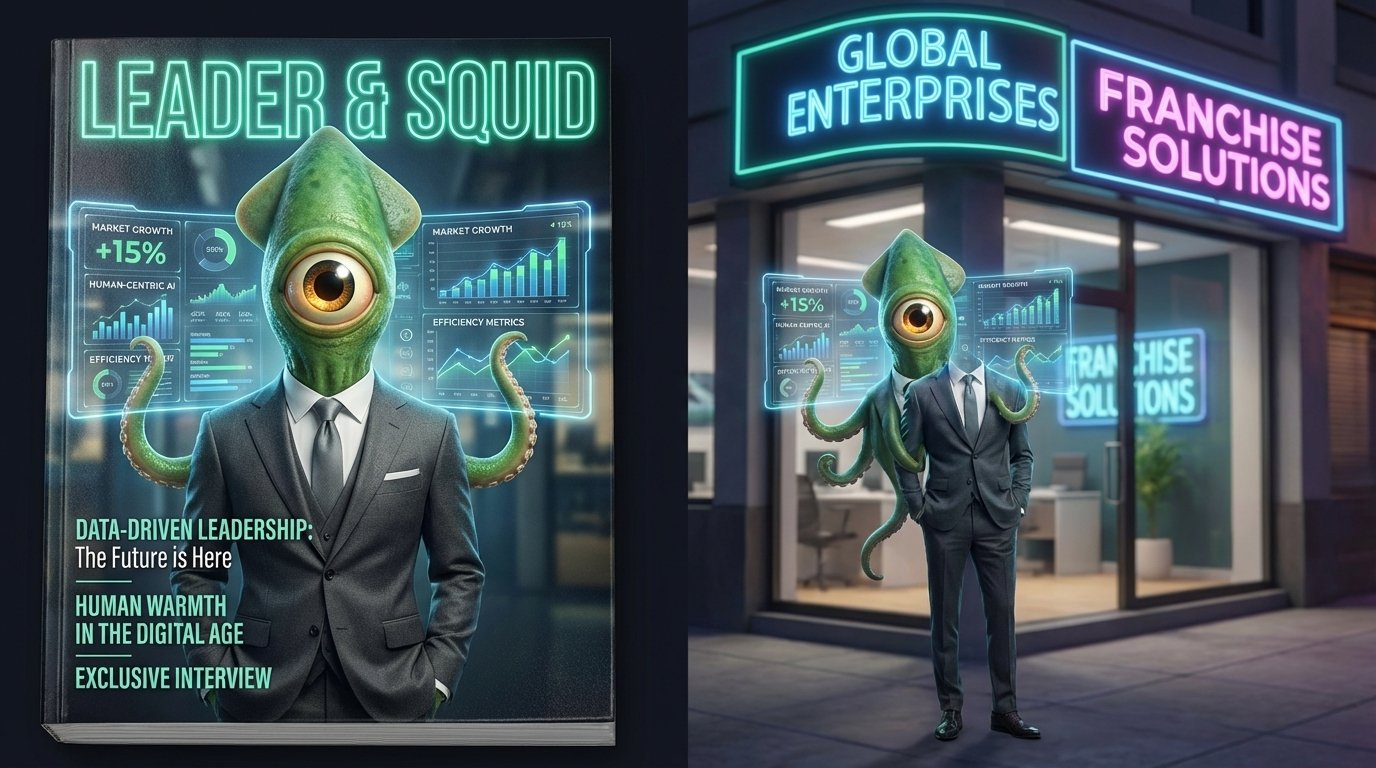
AI’s Role in Leadership and Culture
“AI won’t fix your people problems” is a blunt truth leaders must face. Many vendors promise a turn key fix for culture and turnover. However, their shiny tools mostly optimize schedules, metrics, and workflows.
Franchises and frontline managers see speed and data improve operations. Yet people still decide whether employees stay and customers return. Because emotional intelligence, trust, and coaching require presence and judgment. Therefore, leadership must pair AI insights with human connection and nuance.
For example, a platform may flag high turnover in a territory. But it cannot sense tone, fear, burnout, or the value of psychological safety. Leaders must coach, listen, and build culture to turn signals into sustained change. In short, AI transforms operations, yet human elements remain essential for leadership and culture. This matters most in franchise systems where culture spreads across owners and frontline teams. Ultimately, the work is human-centered and requires sustained care.
Why AI Won’t Fix Your People Problems
“AI won’t fix your people problems.” Machines analyze patterns, optimize schedules and spot trends. However, they cannot replace emotional intelligence or human judgment. Leadership requires reading faces, hearing tone, and sensing fear. As one leader said, “AI can’t read the look on someone’s face when they’re having a bad day.”
AI excels at organizing data and surfacing insights. But it fails at nuance, coaching and moral choices. It cannot build trust, psychological safety or meaning. It also cannot notice when a veteran employee needs gratitude. Therefore leaders must apply judgment to AI signals. Otherwise systems risk replacing human care with algorithmic rules.
“AI becomes a liability when businesses use it as a substitute for leadership.” That line matters because context, ethics and culture demand human attention.
- What AI does well: organizes schedules, tracks metrics, analyzes trends and documents procedures.
- Where humans matter most: coaching, mentoring, hiring nuance, emotional intelligence, trust building and crisis judgment.
- Common franchise failure: relying on dashboards without investing in field coaching and culture.
Use AI for clarity and speed. Then invest in leaders who build connection and meaning. Because culture is emotional, psychological and earned over time. In franchise systems frontline managers set the tone. Therefore the solution pairs data driven tools with human care.

Comparison of AI Capabilities versus Human Leadership in Franchise Contexts
| Capability | AI Strengths | Human Leadership Strengths | Impact on Business |
|---|---|---|---|
| Emotional intelligence | Pattern recognition at scale; consistent signals | Empathy, tone reading, situational judgment | Affects retention, morale and customer empathy |
| Coaching | Scales micro-feedback suggestions and prompts | Real-time coaching, role modeling, personalized development | Drives performance, skill growth and engagement |
| Motivation | Gamified incentives and incentive mechanics; predictable rewards | Personal recognition, purpose communication, intrinsic motivation | Impacts productivity and long-term loyalty |
| Trust-building | Transparent metrics and audit trails | Relationship building, keeping promises, vulnerability | Builds psychological safety and reduces turnover |
| Data-driven insights | Fast trend detection and predictive analytics | Contextual interpretation, ethical judgment and prioritization | Improves decision speed and relevance |
| Culture building | Reinforces behaviors via nudges and documented workflows | Shapes norms, rituals, storytelling and shared values | Determines brand consistency and customer experience |
Enhancing Franchise Success Through AI-Enabled Human Leadership
Top franchises treat AI as an amplifier, not a replacement. AI increases clarity and speed by surfacing trends, predicting turnover and automating routine tasks. However leaders turn those signals into change by using coaching, motivation, trust and connection. Because emotional intelligence and human judgment shape how teams respond to data, the highest-performing systems pair machine insights with human care.
Imagine a regional dashboard flags rising employee turnover in three stores. AI highlights shift gaps, complaint patterns and declining sales. Then a field coach uses that report to prioritize in-person visits. During visits the coach listens, reads body language and asks open questions. As a result the coach uncovers scheduling stress and manager burnout. They then coach the manager on recognition routines and micro training. Within weeks turnover drops and customer satisfaction improves.
In another example AI surfaces a dip in lunchtime NPS. It also suggests targeted training modules. However the store leader still models the behavior, runs a short huddle and tells a story that connects work to purpose. Because connection and meaning motivate teams, employees adopt the new habits faster than a system prompt alone could achieve.
Practical steps franchises can take
- Use AI for trend detection and targeted recommendations. Then assign leaders to follow up.
- Combine data driven playbooks with live coaching sessions and role plays.
- Track employee turnover signals, but measure psychological safety and morale too.
- Reward frontline managers for building trust, not just hitting KPI targets.
By pairing speed and clarity with human coaching, franchises reduce turnover, strengthen culture and improve customer experience. Therefore AI helps run systems while people make work feel meaningful.
Conclusion
Human elements remain the core of effective leadership. While AI improves speed and clarity, people create trust, meaning and culture. Because emotional intelligence guides hiring, coaching and morale, it determines whether employees stay and customers return. Therefore leaders must use AI to inform actions and then show up in person to coach and connect.
EMP0 is a US-based company that builds AI and automation solutions focused on sales and marketing automation. Its tools include Content Engine, Marketing Funnel, Sales Automation, Retargeting Bot and Revenue Predictions. EMP0 acts as a full-stack, brand-trained AI worker that helps clients multiply revenue. Also EMP0 deploys AI-powered growth systems securely under the client’s infrastructure so data stays controlled.
Use AI to run systems, because it increases clarity and speed. However remember only humans build culture, coach through hardship and sustain growth. In franchises and frontline teams, leaders who pair AI insights with empathy win. Ultimately AI sustains operations, but human leadership sustains culture and growth.
Website: EMP0 Website
Blog: EMP0 Blog
Twitter/X: EMP0 Twitter
Medium: EMP0 Medium
n8n: EMP0 n8n
Frequently Asked Questions (FAQs)
Why can’t AI replace human leadership?
AI supports tasks and surfaces signals, but it lacks emotional intelligence, nuance and moral judgment. It cannot read the look on someone’s face when they have a bad day. Because leadership requires empathy, listening and presence, humans must interpret data and act. Therefore AI informs decisions, and leaders apply judgment. AI also lacks moral reasoning and cannot hold difficult conversations.
How can franchises integrate AI and people management?
Use AI for detection and leaders for follow-up. Practical steps:
- Use dashboards to flag turnover, service dips and scheduling stress.
- Assign field coaches to investigate flagged stores in person.
- Combine AI playbooks with live coaching, role plays and recognition routines.
- Measure employee turnover and psychological safety, not just sales.
- Monitor manager workloads and rotate high stress shifts.
By pairing tools with coaching you increase clarity and reduce turnover.
What role does emotional intelligence play?
Emotional intelligence guides hiring, coaching and daily interactions. It helps managers sense burnout, motivate staff and build trust. For example a respectful conversation after a shift can prevent a resignation. Therefore EI drives retention, engagement and customer experience. Leaders model empathy and teach it through feedback loops.
How should managers handle rising employee turnover?
First, trust data to surface patterns. Next, visit affected teams and listen. Then coach managers on scheduling, recognition and workload. Finally, track changes and iterate. Use AI predictions to prioritize action, but rely on humans to repair relationships. Also document interventions and use AI to test which fixes work.
Will AI eventually replace frontline managers?
No. AI will get faster and smarter, but it will not replace human connection. Instead AI will automate routine tasks and free managers for coaching. Therefore the future is a partnership where machines increase speed and humans build culture. Invest in training so managers use AI effectively and build trust at the same time.