

Navigating the Future of AI Energy Consumption
The global rise of machine learning models has created a massive demand for computational power. This growth highlights a critical issue regarding AI energy consumption across the globe. Modern data centers require vast amounts of electricity to train and run complex neural networks. Many experts now worry about the long term effects on our power grids.
As systems scale up, the infrastructure needed to support them grows exponentially. This shift puts a heavy strain on existing resources. Consequently, we must examine how these technologies impact our world. The environmental footprint of large scale processing is a major concern for tech leaders.
Companies like OpenAI face questions about the resources required for tools like ChatGPT. Currently, law does not require firms to share their specific usage data. Because of this lack of transparency, missing information makes forecasting difficult.
Sam Altman and others suggest a move toward nuclear or renewable sources. However, the path to a sustainable future involves many complex steps. Since we must manage resources, we need to understand the true cost of every digital interaction. Therefore, this article explores the scale of energy use and the systems designed to manage it.
The Infrastructure Behind AI Energy Consumption
The expansion of artificial intelligence requires massive infrastructure. Consequently, the scale of hardware needs is growing daily. Data centers house thousands of servers for training tasks. Specifically, the training of models at OpenAI consumes significant power. Therefore, AI energy consumption is a primary concern for the industry. Bill Gates has noted that while AI uses power, it also helps find ways to save it. You can see his thoughts in recent reports from the International Energy Agency at International Energy Agency. This dual nature makes planning difficult for utility providers. As a result, companies must build more efficient facilities. Organizations are now looking for better ways to manage energy costs at large sites.
Managing Water Usage in Computing Facilities
Data centers also need huge amounts of water for cooling. Because heat can damage delicate chips, liquid cooling is essential. Some critics argue this usage is unsustainable. However, Sam Altman considers these specific concerns to be totally fake. He believes the focus should remain on energy production. Many people wonder about the truth regarding these resources and climate impacts. Since cooling needs vary by region, local water supplies face unique pressures.
- Advanced cooling systems recycle water to reduce waste
- Natural air cooling helps in colder climates
- New chip designs generate less heat during operation
Applied Forecasting for Resource Planning
Forecasting systems help predict when and where energy is needed. These systems analyze vast amounts of data to optimize the grid. Furthermore, they allow for better integration of renewable sources. However, there is no legal requirement for tech companies to disclose how much energy and water they use. This lack of transparency complicates the work of public planners. You can find more about energy policy at Energy Policy. As Sam Altman says, if you ask ChatGPT a question, we must consider the energy costs compared to a human. He also famously noted that it also takes a lot of energy to train a human. To manage this, progress tracking reshapes nuclear power as a reliable energy source. Because of these factors, the industry needs clearer standards for reporting. Therefore, applied forecasting will become vital for future sustainability.
Infrastructure Power for AI Energy Consumption
Choosing the right power source is vital for managing AI energy consumption. Because each option offers unique benefits, we must evaluate them carefully for large scale data centers. Therefore, the following table outlines how different sources compare in terms of efficiency and impact. As a result, companies can make better decisions about their infrastructure.
| Energy Source | Energy Efficiency | Environmental Impact | Scalability for AI |
|---|---|---|---|
| Nuclear Energy | High and Consistent | Very Low Carbon Footprint | Excellent for Stable Operations |
| Wind and Solar | Variable and Intermittent | Low Carbon Footprint | High with Proper Storage |
| Traditional Power | Moderate to Low | High Carbon Emissions | Easily Scalable but Limited by Regulations |
Efficient energy use is a priority for systems like ChatGPT and other tools from OpenAI.
Strategic Solutions for AI Energy Consumption
The tech industry faces a major hurdle with rising power needs. Because each training cycle is intense, companies seek better alternatives. Therefore, the transition to nuclear power is gaining momentum. Sam Altman believes nuclear energy is the most viable path forward for OpenAI. This source provides a steady flow of electricity for massive clusters. Global demand for computing is pushing grids to their limits. Therefore, we must consider high density power sources to maintain growth. Nuclear energy offers a carbon free way to meet these demands without increasing emissions. You can read more about global energy trends at this article. For more details on how these developments impact the field, check How AI progress tracking reshapes nuclear power? – Articles. This transition ensures that operations remain stable over time.
Environmental Impacts and AI Energy Consumption
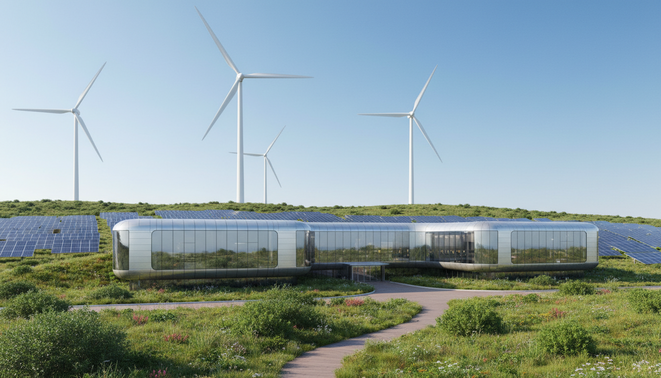
Solar and wind power are also critical for a green future. However, these sources are not always available at every hour. Since data centers run all day, they need backup storage solutions. Wind turbines and solar panels provide clean energy but remain variable in their output. Consequently, developers must build large scale battery systems to handle the load. Some local governments have concerns about this growth and its effect on local costs. This is why How does a data center moratorium affect energy costs? – Articles is a key topic today. Effective planning helps prevent high costs for local residents. Furthermore, companies are investing in batteries to store excess solar power for later use.
Improving Efficiency in AI Energy Consumption
Efficiency starts at the code level within the models themselves. Developers at OpenAI work to optimize ChatGPT for lower power usage. As a result, each query requires less electricity today than last year. Applied forecasting systems also help by predicting peak usage times. By moving heavy tasks to off peak hours, we save money and resources. Furthermore, this method reduces the strain on the national grid during the day. Because efficiency is a priority, new chip architectures are arriving in data centers. These chips process tasks faster with less heat generation. You can learn about modern energy policies at this site. Moreover, people often debate Are AI climate impact claims hiding the truth? – Articles in tech circles. Clear data helps prove that progress toward sustainability is real. Bill Gates suggests that we must move faster to implement these innovations globally.
- Use liquid immersion cooling for better heat control
- Adopt small modular reactors for local power generation
- Develop energy aware scheduling for training tasks
- Implement carbon tracking software for all operations
- Recycle hardware components to minimize waste footprints
- Use natural airflow in colder climates to reduce cooling costs
CONCLUSION
Managing AI energy consumption remains a top priority for the tech industry. We have seen how infrastructure impacts our power grids and water supplies. Training large models requires substantial electrical output and cooling resources. However, new energy solutions like nuclear power offer a sustainable path forward. Therefore, companies must balance rapid growth with responsible resource management.
Innovative forecasting systems and renewable energy integration can reduce the overall footprint. Because efficiency is critical, developers are optimizing code for better performance. We expect more transparency regarding energy and water usage in the coming years. Consequently, global standards will help drive the industry toward a cleaner future. This shift ensures that technology remains a force for positive change.
EMP0 is a United States based AI and automation solutions company. We help multiply revenue through AI powered growth systems for our clients. We securely deploy these systems under client infrastructure to protect your data. Our team builds scalable tools that deliver real world results. Therefore, businesses can leverage modern technology without compromising security.
Learn more by visiting our website and blog at https://articles.emp0.com today. Our platform provides the expertise needed to navigate the complex world of automation. We share technical insights and industry trends to help you succeed. Consequently, our solutions help you stay ahead in a competitive market.
Frequently Asked Questions (FAQs)
What is the main cause of high AI energy consumption today?
Large scale machine learning models require massive amounts of electricity during the training phase. Specifically, thousands of graphics processing units run simultaneously for weeks or months at facilities managed by OpenAI. This activity defines the scale of AI energy consumption in the modern era. Furthermore, the inference stage adds to the total load as millions of users interact with tools like ChatGPT. Because these systems run continuously, they create a steady and high demand for energy. You can learn more about electricity trends at IEA today.
Are tech companies legally required to disclose their energy and water usage?
Currently, there is no legal requirement for tech companies to disclose how much energy and water they use. This lack of transparency makes it difficult for researchers to assess the true environmental impact. Many organizations choose to share some data in their annual sustainability reports. However, these reports often lack the granular detail needed for precise forecasting. Therefore, public planners must rely on estimates to prepare for future infrastructure needs.
How does nuclear power provide a solution for AI infrastructure?
Nuclear energy offers a reliable and carbon free source of electricity that operates around the clock. This consistency is perfect for data centers that require a steady power supply for training large models. Sam Altman suggests that the industry needs a transition to nuclear or renewable sources to remain sustainable. Because nuclear plants do not rely on weather conditions, they provide more stability than solar or wind alone. As a result, many tech leaders view nuclear energy as a key part of the future energy mix.
What is the role of applied forecasting in reducing the footprint of AI?
Applied forecasting systems use data to predict energy demand and optimize grid performance. By identifying peak usage periods, these systems help operators balance the load more effectively. Furthermore, they allow data centers to shift non essential tasks to times when renewable energy is plentiful. Because this method improves efficiency, it reduces the overall strain on the environment. Therefore, forecasting is a vital tool for any sustainable growth strategy in the tech sector.
Is the concern regarding water usage in data centers justified?
Water is essential for cooling the high performance chips found in modern data centers. Some critics worry that this usage depletes local resources in dry regions. However, Sam Altman has stated that concerns about AI water usage are totally fake. He believes the focus should remain on energy production and overall efficiency instead. Regardless of these views, many facilities are now adopting closed loop systems to recycle water. Consequently, the industry is working to minimize its impact on local water supplies through better engineering.