
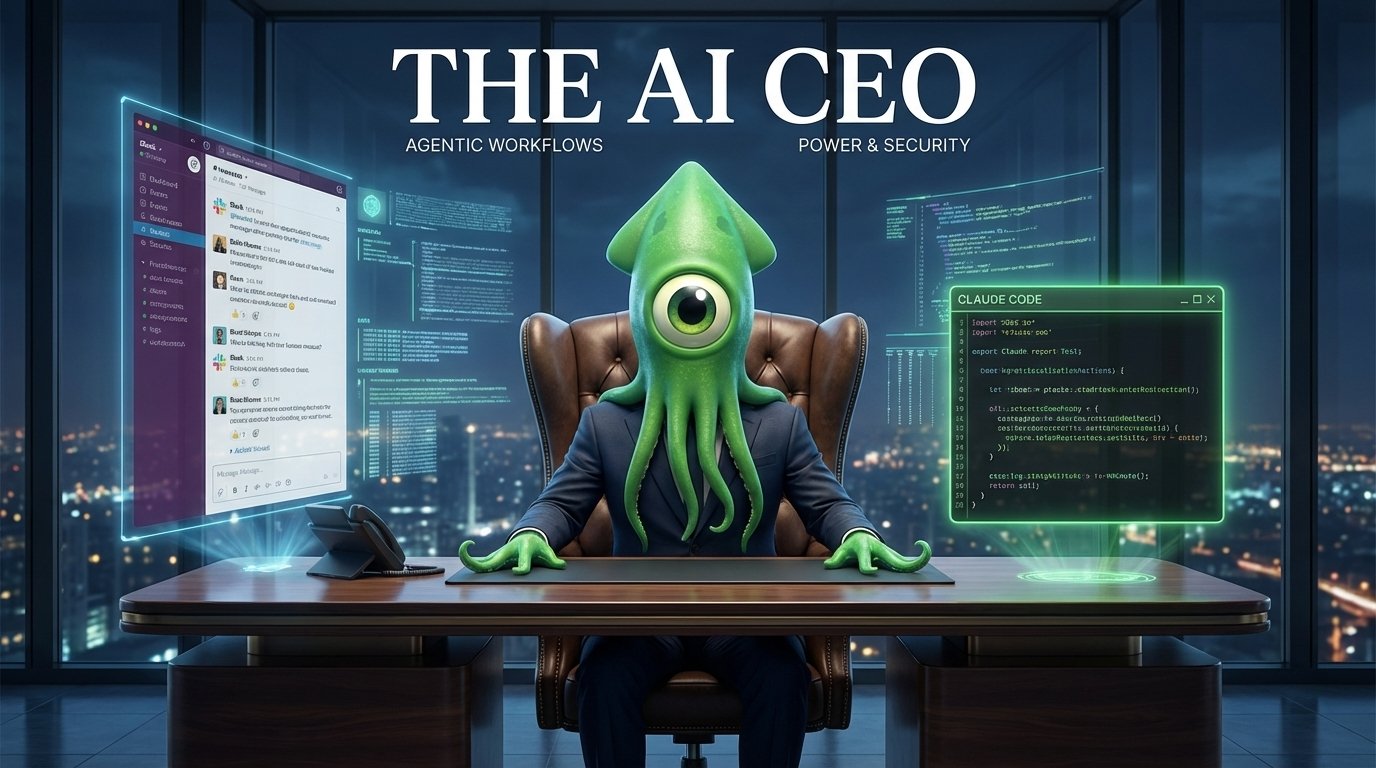
AI-embedded collaboration and agentic features in software tools: The era of smart workflows
Software teams are entering a new era of work driven by intelligent assistants.
AI-embedded collaboration and agentic features in software tools are reshaping how teams design, review, and ship code.
However, this shift brings new risks for security, intellectual property, and uptime.
Therefore, vendors must pair deep workflow automation with guardrails and clear consent flows.
In this article we map that fast-evolving landscape — from Claude Code’s Slack-driven coding sessions and Slack integrations that move developers from chat to pull requests, to Chrome’s agentic guardrails like read-only and read-writeable Agent Origin Sets, a Gemini-based User Alignment Critic, and prompt-injection defenses — so readers can weigh workflow gains against security trade-offs and understand what truly matters when teams adopt autonomous assistants. We also examine competing approaches from Cursor and GitHub Copilot, practical IP and outage scenarios, and concrete engineering patterns for safe agentic workflows. Finally, we offer step-by-step checks for security, consent, and observability today.
How AI-embedded collaboration and agentic features in software tools accelerate workflows
AI assistants now live inside chat, issue trackers, and code hosts. They carry context across systems. As a result teams avoid costly context switching and ship faster.
Benefits
- Reduced context switching: an agent reads Slack threads and opens a repository in one flow. For example, tag @Claude in Slack and get a coded patch posted back to the thread.
- Faster bug triage: agents summarize logs, propose fixes, and create pull requests with test scaffolding.
- Continuous handoffs: agents post progress updates, links to review work, and merge suggestions so reviewers stay in one place.
How AI-embedded collaboration and agentic features in software tools improve focus and code quality
These features automate rote tasks and surface higher quality suggestions. Therefore developers spend more time on design and less on plumbing.
Benefits
- Safer automation: agentic guardrails like Agent Origin Sets and a User Alignment Critic limit data scope and require consent before sensitive actions.
- Better reviews: agents generate targeted diffs and explain changes in plain language, which reduces review cycles.
- Higher observability: agents log actions, post links to CI runs, and attach repro steps so teams can audit results.
Together these subheadings show how workflow automation, security controls, and clear consent flows make AI a practical collaborator.
Comparison: AI-embedded collaboration and agentic features in software tools
| Feature name | Software example | Key benefits | Impact on user workflow |
|---|---|---|---|
| Thread-to-code automation | Claude Code in Slack | Delegates coding from chat. Uses Slack context to pick repository. Posts progress and review links. | Reduces context switching. Speeds PR creation. However introduces new dependencies and IP concerns. |
| In-IDE code assistant and completions | GitHub Copilot | Real-time completions and test suggestions. Learns project patterns. Reduces boilerplate. | Speeds local development. Shifts developer attention to higher-level design. As a result, review focus moves to logic and edge cases. |
| Browser-based collaborative coding sessions | Cursor | Shareable sessions that include run and debug. Low setup and instant pairing. | Enables rapid pairing and onboarding. Therefore, teams prototype faster and iterate in the browser. |
| Agentic orchestration with guardrails | Chrome agentic features (Gemini, User Alignment Critic) | Agent Origin Sets restrict readable and writable origins. Critic models audit planner actions. Consent prompts for sensitive tasks. | Bounds cross-origin data risk. Forces explicit consent for actions like sign-in. Improves auditability while limiting surprise writes. |
| Prompt-injection and content detection | Perplexity open-source detector | Flags malicious prompts and content manipulation attempts. Integrates into guardrail chains. | Reduces model-manipulation risk. Therefore, trust improves for automated flows and high-sensitivity tasks. |
| Slack-integrated workflow bots and triage | Slack bots and third-party integrations | Auto-triage issues, post CI links, attach repro steps. Maintain thread context across tasks. | Centralizes collaboration in chat. As a result, teams spend less time switching tools but must manage rate limits and outage risks. |
This table synthesizes workflow automation, security controls, and observability patterns. It also surfaces trade-offs between speed and safety for engineering teams adopting agentic assistants.
Challenges and solutions for implementing AI-embedded collaboration and agentic features in software tools
Companies that add AI-embedded collaboration and agentic features in software tools face practical hurdles. Teams expect productivity gains, however integration often adds risk and complexity.
Common challenges
- Security and data leakage. Agents that read multiple origins can expose sensitive data. For example, Slack-based coding tools introduce new data flows and IP risks. See reporting on Claude Code in Slack for context: Claude Code in Slack.
- Unclear consent and surprise actions. Agents may act autonomously without obvious consent. This breaks trust and compliance.
- Operational fragility. Integrations add dependencies and rate limits. As a result outages or API throttling can halt developer workflows.
- Prompt-injection and adversarial content. Malicious inputs can alter agent behavior and cause harmful actions.
Practical solutions and patterns
- Define origin boundaries and least privilege. Use Agent Origin Sets or similar controls to limit read and write scopes. Google documents this approach in their Chrome agentic security writeup: Google’s Chrome agentic security writeup.
- Add explicit consent for sensitive tasks. Require user confirmation before sign-ins or credential use. In addition, surface clear audit logs for every agent action.
- Build graceful degradation. Design agents to fail softly and to post status in the collaboration channel. Therefore teams keep working even when services fail.
- Detect and block prompt attacks. Integrate content-detection models like Perplexity’s research tools to flag manipulative inputs: Perplexity’s research tools.
- Treat agent actions like code. Review automated commits and PRs with the same rigor as human changes. As a result you keep ownership and control.
These practices balance productivity with security. They let teams adopt autonomous assistants while protecting IP, uptime, and user trust.
Conclusion
AI-embedded collaboration and agentic features in software tools have the potential to transform how teams work. Teams gain faster triage, fewer context switches, and more consistent handoffs. However, these gains require careful security and consent design.
As agentic guardrails mature, agents will handle broader workflows reliably. Therefore organizations will scale automation with confidence. In addition, better observability and audit trails will make governance practical.
Employee Number Zero, LLC (EMP0) helps businesses adopt these systems securely. EMP0 offers ready-made and proprietary AI tools for automation and growth. Their focus is secure, scalable AI growth systems and repeatable delivery. Visit EMP0’s website for solutions and case studies: EMP0. Read technical posts at EMP0 Articles and explore integrations at N8N Integrations. Finally, early adopters who apply robust guardrails will unlock the most value. As a result, teams can transform collaboration without sacrificing safety. Looking ahead, we expect steady progress and measurable ROI over the next few years.
Frequently Asked Questions (FAQs)
What are AI-embedded collaboration and agentic features in software tools?
They are built-in AI assistants that act inside chat, code hosts, and browsers. They automate tasks, carry context across systems, and execute multi-step workflows on behalf of users. For example, an agent can read a Slack thread, open the right repository, and post a pull request.
What immediate benefits should teams expect?
Expect faster triage, fewer context switches, and more consistent handoffs. In addition, agents reduce repetitive work and surface higher-quality suggestions. As a result teams can focus on design and complex problems.
What security and operational risks matter most?
Data leakage, unclear consent, prompt-injection, and added external dependencies top the list. These risks can expose IP, break compliance, and cause outages when upstream APIs throttle.
How can organizations deploy these features safely?
Use least-privilege origin controls, require explicit consent for sensitive actions, log every agent activity, and review automated PRs like human changes. Also build graceful degradation so workflows survive outages.
Will agentic features replace developers?
No. Agents augment developers by removing repetitive work and speeding iteration. Therefore people retain final decision authority and own product judgment.