
The Future of AI Context and Personalization in Personal Computing
The world of technology is moving toward a new era. We are seeing a major shift in how machines interact with humans. Modern systems now focus on AI Context and Personalization to improve the user experience.
Many people find that standard large language models feel disconnected from their daily lives. These tools provide general answers; however, they often fail to understand individual needs. This gap exists because software lacks access to your specific history or current tasks.
Industry experts believe this missing piece is the next big hurdle. Alap Shah once noted that “Models don’t know anything about you, and that limits their utility.” As a result, an assistant cannot offer truly relevant advice without personal data.
Consequently, developers are working hard to bridge this divide. They want to create systems that observe what happens on your display in real time. Therefore, this move toward on screen awareness will change how we use computers forever.
Apple is preparing to lead this revolution very soon. Furthermore, the upcoming WWDC 2026 event will likely showcase these major advancements. Everyone expects new features that integrate deeply with macOS and iOS.
These updates could allow Siri to understand exactly what you are doing at any moment. Because of these changes, personal computing will become much more intuitive and helpful. We are finally entering a time where your device understands you.
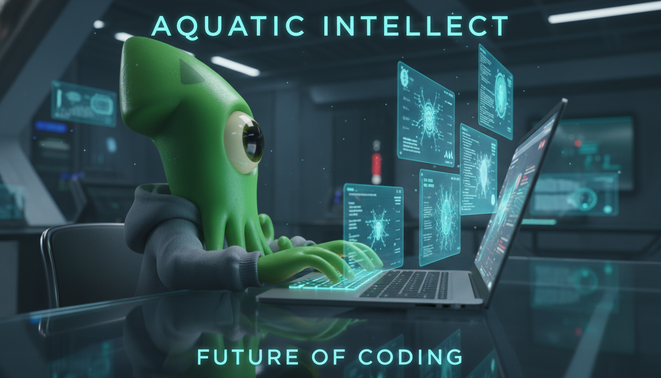
Conceptual AI Assistant Workstation

Littlebird: Redefining AI Context and Personalization Through Text Based Memory
The world of personal computing is evolving toward deep integration. Littlebird is a key player in this movement. This company focuses on improving AI Context and Personalization for modern desktops. It recently secured eleven million dollars in a funding round. Lotus Studio led this investment to support their vision. Additionally, the founders bring extensive experience to the table. Alap and Naman Shah previously created Sentieo. AlphaSense eventually bought that company (AlphaSense Acquires Sentieo).
Most competitors use screenshots to understand what is happening on a screen. However, this method creates massive files that are difficult to manage. Therefore, Littlebird chooses a different path for its screen reading AI. The system captures text directly instead of taking visual images. This technical choice is central to their platform at Littlebird.ai. Consequently, Alap and Naman Shah highlight the benefits of this approach. They stated, “We don’t store any visual information. We only store text, which makes the data a lot lighter weight.”
This decision directly addresses common LLM context limits. Text data takes up much less space than high resolution images. Because of this, the AI can process more history without slowing down. As a result, the tool remains fast and responsive during intense tasks. You can learn more about this by reading How AI models and developer tooling reshape LLM workflows?. By keeping the data light, the system ensures high retrieval quality for every query. For example, recent benchmarks show that an agent using BM25 scores ten out of ten in retrieval tasks. In contrast, single pass vector queries often only reach eight out of ten. Therefore, the choice of search engine matters just as much as the data format.
Better context management leads to superior Productivity workflows. The assistant can recall specific details from long documents or chat logs. Because the system remembers your past actions, it provides better advice. Consequently, users save time and reduce mental effort. For those looking to build similar tools, check out How can ChatGPT power AI agents with Responses API?. Therefore, Littlebird is truly pushing the boundaries of what a personal assistant can do.
Retrieval Performance: BM25 vs. Vector Queries
| Retrieval Strategy | Technical Benchmark (Score) | Ideal Use Case |
|---|---|---|
| BM25 | 10 / 10 | Exact keyword matching and high precision retrieval |
| Single pass vector queries | 8 / 10 | Semantic similarity and fuzzy matching |
Ingestion quality and model choice matter more than your search engine. Therefore, developers should prioritize how they store and retrieve data for better personalization. For more technical details on this topic, read How AI models and developer tooling reshape LLM workflows?. Because of these technical choices, agents can achieve much higher success rates in complex tasks. Proper ingestion ensures that the context remains light and useful for the system. Consequently, the performance improves significantly when using a robust search engine like BM25. In summary, starting with quality data makes all the difference in modern computing.
How Scaling AI Context and Personalization Enhances Developer Tooling
The tech industry is changing how we build software today. Apple recently signed a major deal with Google. This partnership aims to use Gemini models to power features on its platforms. Consequently, iOS and macOS will soon see deeper AI integration.
This move helps Apple stay competitive in a rapidly changing market. Therefore, users can expect more intelligent interactions across all their devices. These updates will surely redefine the standards of the mobile industry.
These advancements will significantly improve Siri and Xcode. For instance, Siri will finally understand the context of your previous actions. In addition, Xcode will benefit from more powerful code completion.
Because the AI has better access to your projects, it can suggest more accurate solutions. As a result, developers will spend less time on repetitive tasks. Furthermore, the integration of AI Context and Personalization makes these tools much more effective. Engineers can focus more on logic and design.
Modern development now relies heavily on Retrieval Augmented Generation. This technique allows a model to fetch specific information from external databases. Furthermore, agentic coding tools are becoming essential for every engineer.
These tools perform complex actions instead of just suggesting text. Therefore, staying informed about new development workflows is crucial for staying ahead. This knowledge empowers creators to build robust applications.
Other giants are also moving in this direction. Microsoft Recall and Limitless both aim to record every screen interaction. Similarly, Anthropic is pushing boundaries with the Claude Agent.
These tools struggle with the same core problem though. One expert said that ‘AI is as good as the context it has, and it misses so much about your day.’ Consequently, the race is on to build the most comprehensive memory system. Successful products will provide a truly bespoke experience.
To achieve this, developers must learn how to connect different systems. Using APIs is one way to give agents more power. For instance, the industry is seeing a rise in specialized connectivity protocols.
Because of these tools, software can finally act on your behalf. Therefore, the future of coding depends on seamless data flow and personalization. For more on how these trends affect the labor market, read Why Universal Commerce Protocol (UCP) Powers Job Automation?. Every developer should explore these new capabilities now.
CONCLUSION
The transition of personal computing is clear. We are moving from static software tools to assistants that understand context. Early computers only followed basic commands. However, today modern machines observe and learn from our actions. This shift marks the end of isolated applications. Instead, we see a world where your device predicts your needs.
The true breakthrough lies in finding the right application. Therefore, experts agree that the killer must have use case is seamless workflow integration. AI must fit into your day without effort. It should handle chores while you focus on creative work. Because technology is becoming more personal, the value of data context is rising. This evolution will define the next decade of digital growth.
EMP0 (Employee Number Zero, LLC) stands at the forefront of this change. As a result, they provide advanced AI and automation solutions. Their services include a powerful Content Engine and Sales Automation tools. These systems are not generic. In fact, they train brand specific AI workers for every client. Consequently, businesses can multiply their revenue very quickly.
Security is a top priority for the team at EMP0. They deploy these intelligent agents directly under your own infrastructure. Therefore, you keep full control over your private data. If you want to scale your operations, visit their official blog at EMP0 Official Blog. For instance, their expertise ensures that your company stays ahead in an automated world. Furthermore, you can find them on Twitter at @Emp0_com for the latest updates. Their goal is to turn AI into a core asset for every business.
Frequently Asked Questions (FAQs)
What is Littlebird?
Littlebird is a specialized tech company that provides advanced screen reading AI. This organization recently secured eleven million dollars in a round of funding. Lotus Studio led the investment to help them innovate. Their team focuses on making computers much more personal. Therefore, users can benefit from a system that remembers their daily work.
Why does Littlebird use text instead of screenshots?
This company stores screen data in text format because it remains lighter weight. Visual images take up too much memory. Consequently, text files allow the model to process context much faster. Because the data is small, the AI can work without hitting common context limits. This choice improves performance during complex tasks.
What is the significance of BM25 in AI retrieval?
BM25 is an algorithm used to find and retrieve specific data. Technical benchmarks show that this method scores ten out of ten in retrieval tasks. In contrast, other methods like single pass vector queries score only eight out of ten. Therefore, starting with BM25 ensures high precision for personal assistants. This makes the assistant much more useful for the user.
When is Apple’s WWDC 2026?
The event is scheduled for June 8 until June 12 in the year 2026. Apple will host the conference at its headquarters in Cupertino. Many people expect big announcements regarding Siri and Xcode. Because of this, developers around the world are waiting for new updates. Furthermore, this event will likely focus on AI Context and Personalization.
How does the Apple Google Gemini deal benefit users?
This agreement allows Apple to use Gemini models to power features on its devices. As a result, Siri will understand the intent of your actions much better. Furthermore, users will experience deeper integration of intelligence across the ecosystem. Consequently, the tools on your iPhone and Mac will work much more effectively together. This partnership brings state of the art models to everyday tasks.