
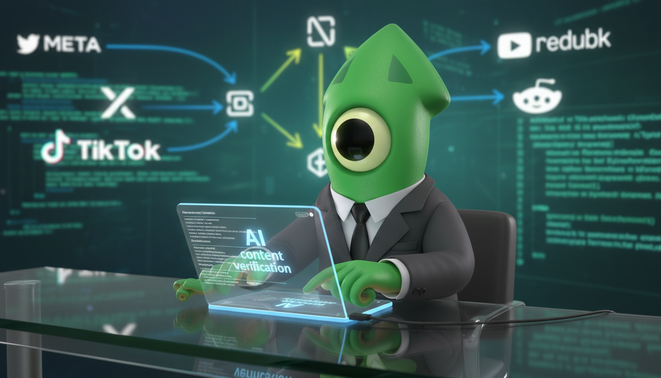
The Critical Need for AI Content Verification
The digital world faces a massive shift in how we create and share information. We now encounter a flood of content that machines produce without human help. This surge makes AI content verification more important than ever before. If we cannot tell the difference between reality and fiction, trust will vanish. Therefore, we must examine the risks that come with these hyperrealistic models.
Social media platforms currently struggle with bot traffic and digital manipulation. These bots spread false details quickly across the web. For instance, malicious actors use AI tools to create convincing deep fakes. As a result, users often find it hard to know what is true. Authenticity remains a major concern for companies like Microsoft and Google today.
Additionally, platforms also face risks when they host unverified media files. Because of these dangers, laws like the California AI Transparency Act are appearing. Such rules aim to bring order to the chaos of the internet. However, technical solutions alone might not stop every threat. We must look at how provenance and metadata help verify digital sources.
Methods for AI Content Verification
Leading tech firms are creating new ways to fight AI enabled deception using AI content verification. Microsoft recently shared a detailed blueprint for digital content authenticity. Eric Horvitz acts as the chief scientific officer at Microsoft. He spoke with MIT Technology Review about these new ideas. “You might call this self regulation,” Horvitz told the publication. Consequently, he believes this approach helps the industry grow safely.
He explained that the technology does not decide what is true. “It is not about making any decisions about what is true and not true,” he said. Instead, the system provides a clear history for the digital file. This history helps users see if a machine made the content. Many companies like Google now use these tools. For example, Google began adding watermarks to AI generated content in 2023. As a result, these small markers help people spot fake images quickly.
Protecting Digital Integrity with AI Content Verification
Digital manipulation is a growing threat on every social media platform. Therefore, experts like Hany Farid study how to stop deepfakes. “I don’t think it solves the problem, but I think it takes a nice big chunk out of it,” says Hany Farid. He focuses on using provenance and metadata to secure digital media. Additionally, these methods track where an image or video started its journey.
The C2PA standard is a major part of this defense strategy. Furthermore, Adobe and Microsoft work together to make these tools common for everyone. This standard allows creators to attach verified credentials to their work. Because of this, users can trust the information they find on sites like LinkedIn. Moreover, services like Microsoft help developers use these tools correctly to ensure safety.
If these checks are missing, hyperrealistic models could overwhelm the web with noise. Some people worry about claims being faked by bots. Because of these risks, the California AI Transparency Act will take effect in August to require these labels. So, following these rules ensures that digital spaces remain safe. Microsoft evaluated sixty different methods to find the best way forward. Finally, this research helps build a safer internet for the future.

Platform Policies and AI Content Verification
Major tech leaders are setting new rules for AI content verification to handle the rise of deepfakes. Because of digital manipulation risks, companies now act to protect users. Google began using watermarks on digital content in late 2023. This step helps viewers recognize media that machines created. Similarly, Meta committed to labeling images and videos across its social media platforms. These efforts aim to reduce the impact of AI enabled deception.
Microsoft recently proposed a massive blueprint for digital content authenticity. To find the best path, Microsoft evaluated sixty different combinations of verification methods. Eric Horvitz serves as the chief scientific officer at Microsoft. He calls this movement a form of self regulation for the industry. However, he notes that these tools do not judge the truth of a message. Instead, they provide a trail of provenance for every file. You can see how Adobe supports these efforts too.
Key Platform Initiatives:
- Google uses digital watermarks to identify machine made art.
- Meta labels any content that matches AI patterns.
- Microsoft tracks metadata to ensure source reliability.
- The California AI Transparency Act starts in August.
Furthermore, experts look closely at interactive deepfakes and hyperrealistic models. Hany Farid believes that these technical steps are very helpful. He says that they take a nice big chunk out of the problem. However, the fight against digital fraud requires constant work. Users must also question whether machine delegation can be trusted. Clear labels are essential for maintaining safety on the web today.
The legal landscape is also changing fast to stop bad actors. For example, the California AI Transparency Act will force companies to be honest. This law helps prevent the spread of harmful misinformation during elections. Digital provenance allows people to see the history of a photo or video. As a result, users gain more power over the media they consume. Many people now use tools from OpenAI to check facts. Verification remains the best tool for digital trust.
Comparison Table for AI Content Verification
Different AI companies use various tools to protect users from digital manipulation. Because of these risks, we must compare how each method works. The table below lists the main strategies used by social media platforms today. As a result, users can understand the current tech landscape better.
| AI Content Verification Method | AI Companies and Social Media Platforms | Effectiveness and Limitations |
|---|---|---|
| Digital Watermarking | Adds markers to files. This helps identify AI generated media but editors might remove them. | |
| Digital Provenance | Microsoft and Adobe | Tracks the origin of files. This is great for authenticity but requires everyone to use it. |
| Metadata Analysis | Microsoft | Saves data inside media. This works well for verification although metadata can be lost. |
| Deepfakes Detection | Meta and LinkedIn | Spots hyperrealistic models. This catches AI enabled deception but new models appear quickly. |
Consequently, these tools help verify information on the web. You can find more details on the Articles blog. Because tech changes fast, the industry must stay alert. Therefore, combining these methods offers the best protection for everyone.
Conclusion: The Future of Digital Authenticity
AI content verification remains a vital shield against the rise of digital manipulation. This technology helps reduce the dangers of bot traffic on social media platforms. However, we must remember that these tools are not perfect yet.
Experts like Hany Farid warn that even the best systems have limits. Therefore, a cautious approach is necessary when trusting online media today. Clear labeling and provenance help but they do not solve everything alone.
EMP0 offers full stack AI powered automation solutions for modern businesses. Our team focuses on sales and marketing automation to help clients grow. Because we prioritize safety, we help you securely deploy AI systems. This strategy allows businesses to multiply their revenue while maintaining trust.
You can find more information on our blog at our blog. Additionally, check out our automation templates on the creators page at n8n.io to see more tools. Our experts help you grow your business.
Frequently Asked Questions (FAQs)
What is AI content verification?
AI content verification involves processes used to determine if digital media was made by machines. This includes digital watermarks and metadata analysis to ensure authenticity.
How do companies like Microsoft and Google verify AI generated content?
Microsoft uses metadata analysis to track file history. Similarly, Google employs watermarks since 2023 to identify synthetic media. These initiatives help reduce AI enabled deception.
What are the challenges of detecting AI generated content?
Interactive deepfakes and new models make detection difficult. Consequently, systems require constant updates to stay effective. Experts note that these tools reduce impact but do not solve every problem.
How do platform risks arise from AI generated content?
AI generated content can lead to misinformation and digital manipulation. As a result, platforms risk hosting fake media which harms user trust.
What role do AI companies play in mitigating platform risks?
Companies like Adobe and Meta develop tools for content authenticity. Moreover, they use digital provenance and labeling to enhance trust across the web.
How can publishers verify AI content on mobile devices?
Mobile publishers use specialized tools that support C2PA standards to inspect file history. These apps allow users to view metadata directly on a smartphone. Furthermore, many social platforms now integrate automated labels. This helps users identify synthetic media on the go.
What are best practices for brands to label AI generated content?
Brands should use clear tags like Created with AI on all machine made media. Also, embedding provenance data ensures history remains intact during sharing. Transparent communication builds trust with customers. Consequently, companies avoid risks by being honest about their process.