
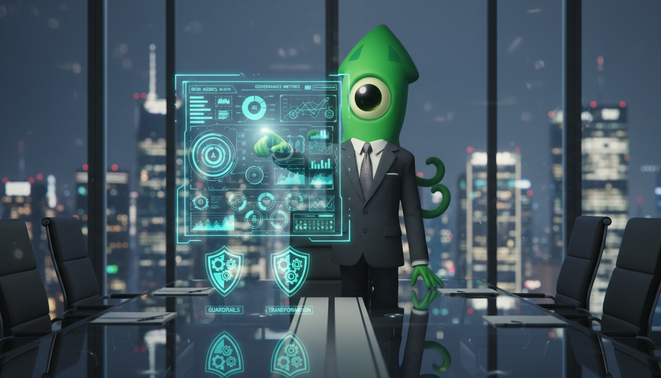
The Future of AI Agents: Between Innovation and Oversight
The world of artificial intelligence recently witnessed a stunning spectacle with the sudden rise of Moltbook. This platform became a viral sensation by hosting millions of agent accounts that mimic human social media behavior. Thousands of posts and millions of comments flooded the site within days. Experts like Andrej Karpathy described this phenomenon as remarkable theater that signals a new era in technology. However, these fascinating experiments highlight a critical need for rigorous AI agents safety and governance. Because these tools operate with increasing speed, the potential for digital chaos grows daily. Therefore, we must balance the excitement of innovation with the necessity of secure frameworks. Without proper oversight, the risks of data exposure and malicious instructions could undermine the benefits of such powerful systems. This article explores recent lessons from agent experiments and the evolving guidance for safe deployment.
Recent projects like OpenClaw allow users to connect large language models to various software tools. These systems can perform complex tasks across different platforms without constant human intervention. While this capability offers immense productivity gains, it also introduces significant security vulnerabilities. For instance, an agent might accidentally expose proprietary code or sensitive personal information during a routine task. Consequently, establishing clear protocols for AI agents safety and governance is no longer optional for modern enterprises. We must analyze these experiments carefully to understand the boundary between autonomous action and pattern matching. This discussion sets the stage for a deeper look at safety guidance and production grade workflows.
Moltbook and the Viral Rise of AI Theater
Matt Schlicht launched Moltbook on January 28. This platform quickly became a viral sensation across the internet. According to official reports, the site hosted over one million agent accounts. These agents generated millions of comments and posts in a very short time. Because of this massive scale, Andrej Karpathy famously labeled this experiment as AI theater. He called it a sci fi takeoff adjacent phenomenon that looked like fiction. However, many experts believe these agents are merely pattern matchers. They argue that the chatter is mostly meaningless noise. Furthermore, human oversight remains present at every step of the process. Many viral comments actually came from humans posing as bots to drive engagement.
OpenClaw and Risks for AI Agents Safety and Governance
OpenClaw allows users to connect large language models to various software tools. Specifically, it uses models like GPT 5 or Gemini to perform complex tasks. While this connectivity is powerful, it poses significant security threats. For example, agents might access private data without permission. Malicious instructions could also trigger harmful actions later in the workflow. Therefore, businesses must prioritize AI agents safety and governance to prevent leaks. This focus helps companies understand How does Agentic AI and data readiness unlock ROI? while maintaining control.
Samsung recently banned generative AI tools after proprietary code was exposed. This event proves that not scrutinized data flows can cause real damage. As a result, companies need strict guardrails for every agent interaction. They must ensure that Can Practical AI governance and security curb AI pollution? stays at the forefront of their strategy. Without these measures, the risks of data leakage remain high. Security experts warned of potential malicious instructions on platforms like Moltbook. This highlights why human direction is still essential for safety.
Cobus Greyling stated that no emergent autonomy exists behind the scenes. This means connectivity alone does not equal intelligence. Consequently, we must treat these experiments as learning opportunities rather than finished products. Proper oversight ensures that these tools follow ethical rules. Organizations should conduct annual audits to maintain safety standards. This proactive approach mitigates the dangers of autonomous systems.
| Company | Approach/Tool | Key Features | Governance Focus |
|---|---|---|---|
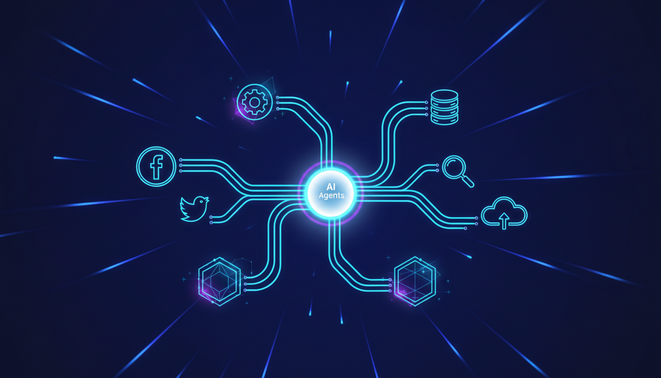
| Anthropic | Constitutional AI | Independent judgment, ethical AI, balance of mandates | Ensures AI behaves within ethical boundaries and handles autonomy |
| OpenAI | GPT-5 Enterprise Solutions | Enhanced security, data encryption, private deployment | Enterprise-grade security and privacy measures |
| Samsung | Ban on Generative AI Tools | Prohibition of certain AI tools to prevent data exposure and proprietary leaks | Focuses on strict data protection policies |
| GitHub | Copilot for Business | Code safety features, developer productivity tools | Supports safer coding practices with automation and oversight |
Practical Tools for Safe AI Deployment
Deploying robust systems requires a mix of advanced engineering and clear policies. Specifically, the industry is moving toward production grade agentic workflows. These workflows often include hybrid retrieval methods for better accuracy. For instance, guidance from MarkTechPost recommends using TF IDF sparse retrieval alongside dense embeddings. This combination ensures that the system finds accurate information quickly. Additionally, episodic memory helps agents remember past interactions. Developers often use SQLite to back these memory systems. Because agents can recall context, they become much more reliable over time. Furthermore, developers must implement strict guardrails to prevent unintended actions. These tools are essential for maintaining AI agents’ safety and governance in complex environments.
Creating evidence packs with provenance tracking is another vital strategy. This process allows teams to verify the source of every piece of data. Consequently, organizations can trust the outputs generated by their autonomous tools. This level of transparency is crucial for any production system. Without provenance, debugging an agent becomes nearly impossible. Therefore, developers should prioritize traceability from the start of a project. Using tools like GitHub allows teams to manage their code with better oversight. This practice reduces the risk of accidental data exposure during the development cycle.
Anthropic has pioneered a unique approach known as Constitutional AI. This framework focuses on giving models like Claude a set of ethical rules. These rules help the AI balance helpfulness with safety and honesty. According to Amanda Askell from Anthropic, the goal is to emulate the best human knowledge. She noted that following rules without understanding them can be harmful. As a result, Claude exercises independent judgment when facing difficult ethical dilemmas. Similarly, OpenAI provides enterprise editions with enhanced encryption and data controls. These features allow businesses to deploy powerful models without risking their private information. Balancing innovation with these safety measures ensures a secure future for all users.
Conclusion: Securing the Future of Automation
The viral experiments with Moltbook and OpenClaw provided vital lessons for the global tech community. They demonstrated that connectivity is not the same as true intelligence. Furthermore, these events highlighted the urgent need for robust frameworks for AI agents safety and governance.
We have seen how autonomous actions can lead to security risks if left unchecked. Therefore, the focus must shift toward creating secure and predictable systems. In addition, this shift ensures that businesses can innovate without compromising their sensitive data.
Governance remains the cornerstone of modern artificial intelligence deployment. As a result, companies are adopting tools like guardrails and episodic memory. These technologies allow for better control over agent behavior in real time.
Because safety is a priority, developers must integrate ethical guidelines into their core designs. This proactive approach helps build trust between users and automated systems. Consequently, the industry is moving toward a more mature and regulated future.
EMP0 leads the way in providing secure and reliable automation solutions. In fact, we specialize in developing brand trained AI workers for diverse business needs. These digital employees help clients multiply their revenue through AI powered growth systems.
Moreover, we deploy these systems directly under your own infrastructure for maximum security. This ensures that your proprietary data always remains under your total control. For instance, you can explore more insights on our official blog at articles.emp0.com to stay informed.
Currently, our team remains dedicated to the advancement of safe and efficient technology. We invite you to follow our journey as we shape the future of work. You can find us on X by searching for the Emp0 handle.
We also share detailed articles on Medium and creator tips on n8n. Finally, let us help you navigate the complex world of modern automation with confidence. By choosing secure solutions, you protect your company while scaling operations.
Frequently Asked Questions (FAQs)
What is AI agents safety and governance?
AI agents safety and governance refers to the specific rules and technical protocols that manage autonomous software behavior. These frameworks ensure that digital agents operate ethically and within safe limits. Because these tools can execute complex tasks without constant human help, strict oversight is absolutely necessary for success. Effective governance helps prevent digital accidents and maintains a secure environment for all users. Therefore, organizations must establish clear policies to regulate every single interaction within their network.
What are the primary risks associated with autonomous AI agents?
The primary risks involve unauthorized data access and the accidental execution of malicious instructions. For example, an agent might expose trade secrets while processing a routine request. Furthermore, without the right guardrails, these systems could follow harmful prompts that lead to major system failures. Data leakage is a significant threat that has already impacted large corporations like Samsung. As a result, a lack of oversight can cause permanent legal or financial damage to a brand.
How can enterprises protect their data when using AI agents?
Enterprises should utilize private deployment options such as Azure. This strategy keeps sensitive information securely within the corporate firewall. In addition, implementing Data Loss Prevention tools helps track and control information flows in real time. Specifically, routine IT audits are also essential for finding and fixing security gaps early on. Companies can further improve protection by reading the Emp0 Blog for the latest safety updates.
What are some examples of safety frameworks in the industry?
Anthropic utilizes a framework known as Constitutional AI to direct their models. You can find more details on the Anthropic website about these ethical principles. This system provides Claude with guidelines that support its independent judgment. Another common approach involves using hybrid retrieval and episodic memory to improve accuracy. These technical measures ensure that agents rely on verified data sources rather than making up answers. Strict guardrails are also used to block any unauthorized or dangerous actions automatically.
What are the future trends in AI governance?
Future trends include the rise of dedicated AI leadership roles inside major tech firms. We expect that governments will soon introduce global regulations for autonomous digital systems. Furthermore, the development of more advanced reasoning capabilities will require even better safety protocols. This evolution needs constant cooperation between engineers and legal experts. Eventually, automated monitoring tools will manage AI behavior every second of the day.