
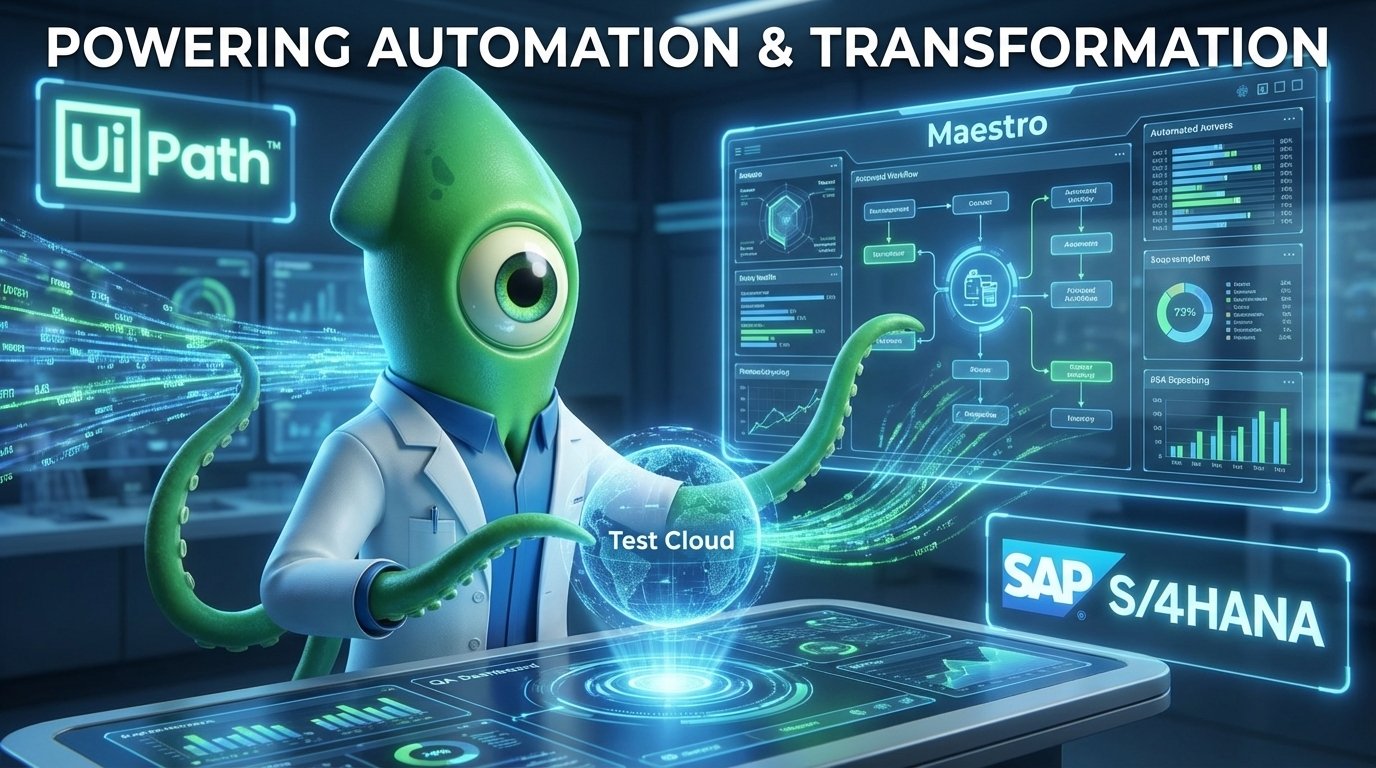
Agentic Testing & Automation: AI Agents Transforming QA
In the relentless race of digital innovation, quality assurance frequently becomes a critical bottleneck. Consequently, this slows down release cycles and hampers competitive agility. While traditional test automation provided some relief, its limitations are now clear in the era of complex applications. A revolutionary paradigm shift is underway, driven by artificial intelligence. AI agents are completely reshaping the testing lifecycle from end to end. This powerful new approach, known as agentic testing, empowers organizations to move beyond simple script execution.
Instead, agentic testing allows for autonomous, intelligent, and adaptive quality assurance. As a result, businesses gain a significant competitive edge through accelerated development and superior product quality. This article delves into the transformative impact of AI agents on QA. We will explore how this technology delivers continuous autonomous quality at scale. Furthermore, we will examine the tools and frameworks making it possible. Finally, we will see real world success stories that highlight its incredible potential. Prepare to learn how your organization can turn testing from a challenge into a strategic advantage.
How Agentic Testing is Revolutionizing Quality Assurance
For years, QA teams have worked to escape the perception of being a bottleneck. The mantra, “Testing was once a bottleneck, but it can be a competitive advantage,” is finally becoming a reality. While traditional test automation helped, it still relied on brittle scripts and constant human oversight. Now, the industry is undergoing a massive digital transformation, and AI agents are at the forefront, turning QA into a true driver of business value.
The Agentic Testing Advantage: From Execution to Cognition
Agentic testing represents a fundamental shift from simply automating repetitive tasks to deploying intelligent systems. These AI agents possess the cognitive ability to understand application context, user stories, and business requirements. They can independently devise test strategies, generate comprehensive test suites, and execute them without human intervention. This approach is central to achieving continuous autonomous quality. Unlike legacy automation, agentic systems can adapt to changes in the application interface, effectively creating self healing tests that reduce maintenance overhead. You can explore this further by understanding how GraphBit agentic workflows Drive Production grade Automation.
The core capabilities that set agentic testing apart include:
- Autonomous Test Generation: AI agents analyze application models and user requirements to create relevant test cases automatically. This ensures far broader coverage than manual efforts could ever achieve.
- Intelligent Execution: Agents can prioritize tests based on risk and new code changes. As a result, they optimize the testing cycle for maximum efficiency.
- Advanced Anomaly Detection: By learning an application’s normal behavior, these agents can identify defects and performance issues that predefined scripts would miss.
- Root Cause Analysis: When a test fails, AI agents can dig into logs and system data. They provide developers with precise information, dramatically speeding up debugging.
By embracing agentic testing, enterprises are not just improving QA processes. They are building a strong foundation for faster innovation and creating more resilient digital products. This is essential for any successful digital transformation initiative.

Tangible Business Outcomes with Agentic Testing
The collaboration between UiPath and Deloitte has produced remarkable, quantifiable results for enterprises adopting agentic testing. These metrics showcase the tangible business value and competitive advantage gained by leveraging AI powered automation.
| Benefit / Metric | Impact Delivered by UiPath & Deloitte |
|---|---|
| Faster Release Cycles | Up to 40% reduction in time to market, accelerating innovation. |
| Increased Automation ROI | A 30% higher return on investment compared to traditional methods. |
| Expanded Test Coverage | 20% broader test coverage, ensuring higher application quality. |
| SAP S/4HANA Efficiency | Complete test suites generated in less than 48 hours. |
Ensuring Governance and Safety in Agentic Testing
The power of autonomous AI agents also brings a critical responsibility: ensuring they operate within safe and compliant boundaries. As enterprises deploy agentic testing across sensitive environments like ERP and CRM systems, the need for robust governance becomes paramount. Without a strong framework for control, the potential for unintended actions could undermine the very trust that AI powered automation aims to build. This is where a dedicated AI Trust Layer becomes an essential component of any mature agentic testing strategy.
Building Confidence with an AI Trust Layer
Leading platforms are addressing this challenge head on. UiPath, for instance, has built governance directly into its ecosystem. According to their documentation, “Governance is embedded into Test Cloud, as customers can configure agents to act safely and compliantly, by setting defined boundaries.” This built in oversight mechanism functions as an AI Trust Layer, providing organizations with the controls needed to manage agent behavior effectively. This is crucial because confidence in agentic decisions matters for widespread adoption.
This embedded governance provides several key benefits:
- Controlled Operations: Administrators can define clear rules that restrict agents from accessing unauthorized applications or data, preventing operational risks.
- Compliance Assurance: For regulations like SOX testing, the AI Trust Layer provides a full audit trail. It demonstrates that all testing activities were performed within compliant parameters.
- Stakeholder Trust: By guaranteeing that AI agents will act predictably and safely, organizations can foster greater confidence among all stakeholders, from IT teams to executive leadership.
Ultimately, this focus on governance is what enables the successful scaling of continuous autonomous quality. It ensures that as AI agents take on more responsibility, they do so in a manner that is secure, transparent, and aligned with business objectives.
Conclusion: Embracing the Future of QA with Agentic Testing
The era of quality assurance as a developmental bottleneck is officially over. Agentic testing has redefined the landscape, transforming QA into a strategic driver of digital transformation. By deploying intelligent AI agents, organizations can achieve a level of continuous autonomous quality that was previously unattainable. This is not about replacing human expertise but augmenting it. The powerful synergy between AI agents and human oversight accelerates release cycles, expands test coverage, and delivers a significantly higher return on automation investment. This collaborative approach turns testing into a genuine competitive advantage, allowing businesses to innovate faster and with greater confidence.
Harnessing this transformative power requires the right partner. EMP0 is a US based AI and automation solutions provider specializing in sales and marketing automation. We empower businesses by providing ready made tools and developing proprietary AI solutions that streamline complex processes. Our expertise helps organizations integrate cutting edge automation seamlessly into their workflows, driving efficiency and growth. To learn more about how AI and automation can revolutionize your operations, explore our insights and solutions. Visit our blog at our blog to discover the future of enterprise automation.
Frequently Asked Questions (FAQs)
What exactly is agentic testing?
Agentic testing represents the next evolution in quality assurance. It is an advanced approach where autonomous AI agents, rather than rigid scripts, manage the testing lifecycle. These intelligent agents can comprehend business requirements, independently generate and execute test cases, and analyze the results. Unlike traditional automation that follows a predefined script, agentic testing is dynamic. As a result, agents can adapt to changes in the application, discover complex bugs, and provide deep insights, truly enabling continuous autonomous quality.
How do AI agents improve on traditional test automation?
Traditional test automation is script based, making it brittle and high maintenance. Scripts often fail when an application’s user interface is updated. AI agents, however, are cognitive and adaptive. They understand the application’s context and can self heal their test paths when they encounter changes. This resilience dramatically reduces maintenance overhead. Furthermore, they can explore applications more comprehensively than a script ever could, leading to broader test coverage and the detection of more subtle defects.
What are the key business benefits of adopting an agentic testing solution?
The quantifiable benefits are compelling. Based on joint solutions from leaders like UiPath and Deloitte, businesses have achieved up to 40% faster release cycles, a 30% higher return on investment from automation, and a 20% increase in test coverage. For complex systems like SAP S/4HANA, entire test suites can be generated in under 48 hours. These metrics translate into a powerful competitive advantage, enabling faster innovation, higher product quality, and more efficient operations.
How is governance handled to ensure AI agents test safely?
Governance is a core component of enterprise grade agentic testing platforms. Through a built in AI Trust Layer, organizations can enforce rules and boundaries that dictate how agents operate. This ensures they do not access sensitive data or perform actions outside their designated scope. This level of control is essential for compliance with regulations like SOX testing and builds crucial trust among stakeholders. It guarantees that a push for safer AI is a priority.
Will AI agents make human QA engineers obsolete?
No, agentic testing is designed to augment human expertise, not replace it. AI agents excel at executing repetitive and large scale tests, freeing up human engineers to focus on higher value activities. These include exploratory testing, usability assessments, and designing creative test strategies that require human intuition. The ideal model is a collaborative one where humans and AI agents work together, combining autonomous efficiency with strategic oversight to achieve superior quality.