

Introduction: Why agentic testing matters
Agentic testing is critical when you plan to deploy autonomous AI agents at scale. It shows where verification gaps hide, and it reduces costly production incidents. Because agents make autonomous decisions, testing must cover behavior, security, and edge cases early.
Deploying AI agents promises strong ROI, sometimes exceeding 100 percent. However deploying without structure risks canceled projects and lost trust. Therefore a disciplined approach protects value and speeds safe adoption.
This playbook lays out a structured 12 week rollout to build verification coverage, collect defect data, and establish measurement infrastructure. It focuses on clear milestones, pilot budgets, and adoption metrics. As a result teams can move from small pilots to reliable production in months, not years.
The challenge is clear: many teams skip verification or lack measurement. As a result projects stall or get canceled. However when teams commit twelve weeks to rigorous testing, they often unlock expected ROI. Therefore this guide gives weekly milestones, tools, and checkpoints.
It balances safety, speed, and measurable returns. Read on to start your 12 week plan with confidence.
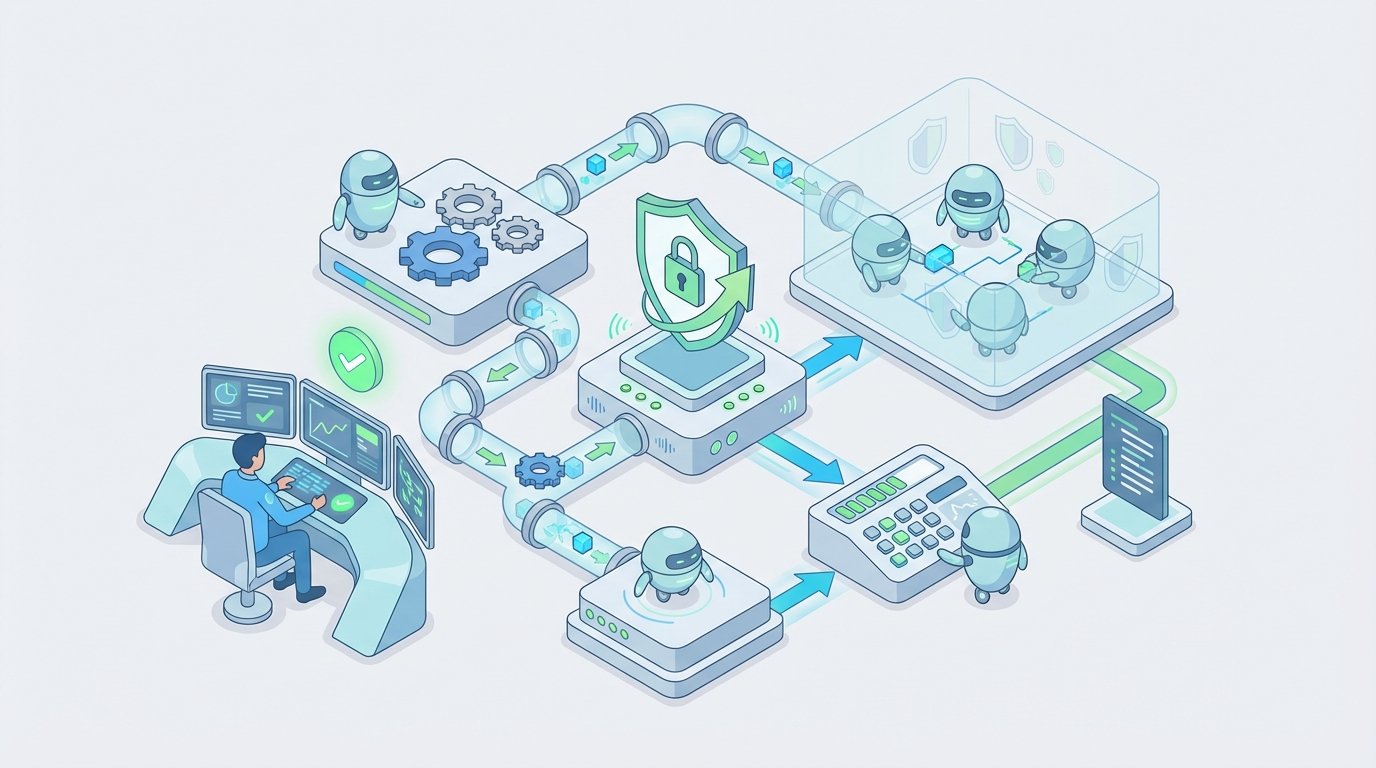
Key challenges in agentic testing
Agentic testing exposes verification gaps before agents reach production. However organizations often face bottlenecks that block reliable rollout.
- Verification coverage and test suites. Creating broad test cases and edge case coverage takes time. As a result teams miss defects and face production incidents. See orchestration patterns that help verification: orchestration patterns
- Security monitoring and runtime controls. Agents act autonomously, so runtime defenders must monitor behavior. Therefore you need layered controls, logging, and alerting. Standards improve interoperability and safety. Read more: security monitoring
- Measurement infrastructure and defect data. You must capture behavior logs, performance metrics, and error traces. Because measurement enables feedback loops, it reduces regressions and improves ROI. Learn why data governance matters: data governance
- Upstream bottlenecks like poor data or unclear API contracts. If upstream issues persist, testing cannot fix them. Therefore address these earlier in the workflow.
Addressing these bottlenecks upfront reduces incident costs and preserves customer trust. Therefore include these checks in your 12 week playbook to protect ROI. This approach supports faster, safer agent deployments.
ROI and adoption snapshot
| Region | AI Agent Adoption % (2025) | Expected ROI % | Projected Automation % (2027) |
|---|---|---|---|
| Global | 51% | 171% (average) | 36% (average) |
| United States | N/A | 192% (U.S. expected) | N/A |
| High ROI cohort | N/A | 62% expect >100% ROI | 26–50% (typical; 36% average) |
| Projection for 2027 | 86% operational (projection) | 171% (global average) | 36% (average) |
Source: Aggregated facts from the playbook including generative AI ROI and Next Generation of AI projections.
agentic testing 12-week playbook
This section outlines a practical 12-week approach to deploy AI agents safely and effectively. Because teams must balance speed, safety, and ROI, the playbook sets clear milestones and budget guardrails early.
agentic testing weekly focus
Weeks 1 to 4 focus on foundations:
- Define clear ROI and success metrics including KPIs for cost, throughput, and user satisfaction.
- Set a pilot budget and governance owner to limit scope, approvals, and spend.
- Build measurement infrastructure for behavioral logging, error traces, and telemetry.
Weeks 5 to 8 focus on verification and automation:
- Expand verification coverage with automated test suites, API tests, and edge case scenarios.
- Use agentic testing to generate test cases and accelerate regression coverage.
- Harden security architecture with runtime checks, rate limits, and role based controls.
Weeks 9 to 12 focus on stabilization and rollout:
- Implement regression maintenance, test scheduling, and flaky test reduction.
- Track performance, adoption, and defect trends continuously, and iterate on failures.
- Plan staged production releases with rollback plans and incident playbooks.
Operational best practices
- Prioritize upstream fixes for poor data quality and unclear API contracts early.
- Create feedback loops so test outcomes drive model retraining and code changes.
As a result teams move from pilot to production with measurable ROI, controlled risk, and continuous improvement.
Conclusion: agentic testing for safe, high‑ROI agent deployments
Agentic testing delivers clear benefits and real risks when you deploy autonomous AI agents. It reduces production incidents, uncovers edge cases, and increases verification coverage. However teams must implement it cautiously because unchecked agents can cause outages and trust erosion.
Because ROI expectations often exceed 100 percent, disciplined rollout pays off. Define success metrics, set pilot budgets, and enforce measurement from day one. As a result you limit canceled projects and preserve customer trust. Therefore a 12 week playbook balances speed with safety and creates measurable outcomes.
EMP0, a US based company, helps companies scale with brand trained AI workers. They offer tools such as Content Engine, Marketing Funnel, and Sales Automation to multiply revenue while maintaining controls. For more details visit EMP0’s website and read the blog at Articles and Guides for practical guides and playbooks.
Agentic testing is not optional for ambitious teams. With structured verification, strong security controls, and continuous performance tracking, teams unlock automation gains while protecting customers and ROI.
Frequently Asked Questions (FAQs)
What is agentic testing?
Agentic testing evaluates autonomous AI agents end to end. It focuses on behavior, edge cases, security, and verification coverage. Because agents act autonomously, tests must simulate decision paths and runtime conditions. As a result teams find defects earlier and reduce production incidents.
What are the benefits of agentic testing?
Agentic testing increases verification coverage and accelerates safe deployment. It improves ROI by preventing costly incidents and by boosting automation gains. Moreover automated test generation shortens QA cycles. Therefore teams move from pilot to reliable production faster with measurable returns.
What are the main challenges of agentic testing?
Challenges include verification gaps, weak measurement, security monitoring, and upstream data issues. These bottlenecks cause false positives, flaky tests, and canceled projects. Therefore invest in telemetry, logging, standards, and API contracts early. As a result you reduce incidents and protect customer trust.
How long does agentic testing implementation take?
A structured 12-week playbook delivers milestones across foundations, verification, and rollout. Weeks 1 to 4 set ROI, pilot budgets, and measurement. Weeks 5 to 8 expand automated test suites and harden security. Weeks 9 to 12 stabilize, run regression maintenance, and stage productions with rollback plans.
What ROI can I expect from agentic testing?
Expect high returns when you verify and measure. The average expected ROI is 171 percent, and many firms forecast over 100 percent. In the United States, expectations rise to 192 percent. However clear metrics and pilot controls determine whether you realize those gains.