

5 Secrets to Agentic AI Workflow Automation
The era of basic chatbots is officially over. As of July 2026, the business world has shifted rapidly toward agentic AI. Therefore, relying on legacy workflows is a guaranteed path to failure. You must integrate or die. Today, AI-focused entrepreneurs and solo founders face a critical choice. They can either embrace autonomous AI agents or watch competitors steal their market share.
Basic automation simply follows rigid rules. In contrast, agentic AI actively makes decisions, solves complex problems, and adapts to new data. However, many business leaders struggle to implement these advanced systems correctly. Inefficient legacy workflows consistently bottleneck growth and waste valuable resources. To solve this, you need a highly strategic approach. We will reveal five proven secrets to mastering agentic AI workflow automation. These strategies will help you build scalable, intelligent systems that dominate your industry.
Secret 1: Harness RAG Integrations for Context
First, successful agentic AI requires deep contextual awareness. Without context, even the smartest models hallucinate. Therefore, top firms like Unico Connect build robust RAG integrations (Retrieval-Augmented Generation). These modern systems pull real-time data directly from your internal databases. Consequently, your AI agents make decisions based on accurate, company-specific facts.

Furthermore, connecting existing technology stacks is a core competency of 2026 AI automation agencies. They seamlessly link CRMs, ERPs, communication platforms, and data warehouses. As a result, data and decisions flow automatically across your entire organization. To learn more about optimizing these integrations, review our 7 Enterprise Workflow Automation Hacks.
Secret 2: Choose the Right Orchestration Tools
Second, selecting the right platform is critical for scale. You cannot rely on outdated software to run modern AI. Instead, you must leverage powerful orchestration engines. Platforms like Make, n8n, Zapier, and LangChain are dominating the market in 2026. Moreover, combining these platforms with APIs from OpenAI, Anthropic, and Google enables rapid deployment.
In fact, businesses now deploy sophisticated AI workflows in weeks rather than years. For instance, our Zapier vs Make vs n8n: Automation Guide breaks down how these tools compare. You must choose a platform that supports complex logic and parallel processing. Ultimately, the right tool acts as the central nervous system for your custom software.
Additionally, modern workflow automation demands extreme flexibility. Rigid systems will break when AI models update. Therefore, modular architectures provide the necessary agility for continuous growth.
Secret 3: Design Multi-Agent Collaborations
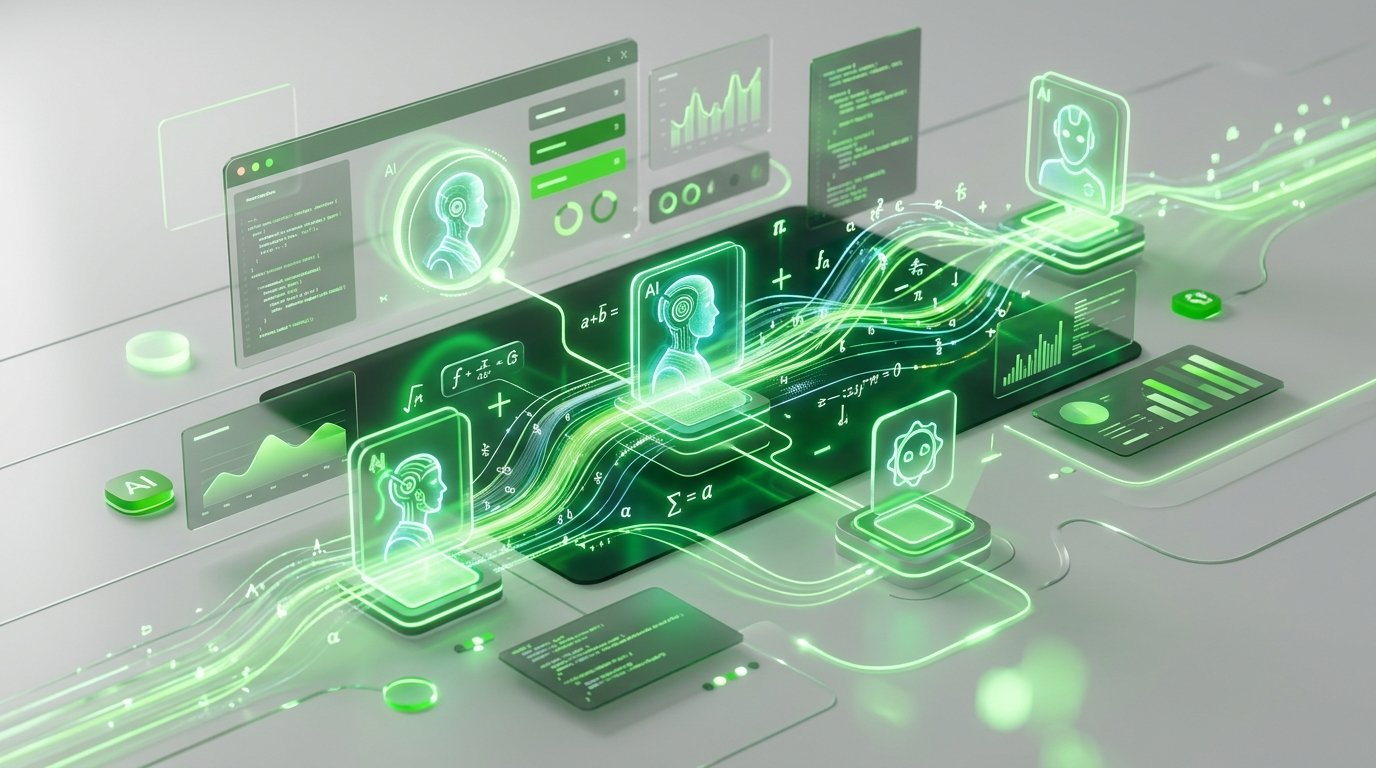
Third, complex tasks require teamwork. A single AI model cannot handle every business function effectively. Thus, you must design multi-agent collaborations. In this setup, specialized agents handle specific tasks like research, coding, or customer service. Then, they communicate with each other to complete massive projects.
For example, in 2026, top AI automation agencies like Bytes Technolab Inc. and ELEKS are recognized for optimizing business processes through multi-agent systems. ELEKS operates as an enterprise software and custom software engineering firm. Impressively, they boast a 2000-person team with deep expertise in physics and mathematics. Their success proves that specialized, collaborative AI drives intelligent product development.
Secret 4: Implement Human-in-the-Loop Safeguards
Fourth, complete autonomy is dangerous without oversight. Even advanced machine learning models make unpredictable errors. Therefore, you must implement strict human-in-the-loop checkpoints. This approach ensures safety while maintaining high efficiency.
Unico Connect specializes in building agentic AI systems that handle multi-step business processes with these vital checkpoints. Consequently, human managers only intervene when the AI encounters high-risk decisions. This hybrid model protects your brand reputation and ensures compliance. Furthermore, AI automation agencies increasingly offer consulting engagements and team training programs. These services help in-house corporate teams build internal capability and govern systems responsibly. To see how solo founders scale these safe systems, check out How Do AI-Native Solo Founders Outearn Traditional Startups?.
The ROI of Agentic AI in 2026
Numbers do not lie. Implementing agentic AI delivers massive returns for forward-thinking companies. According to a 2026 industry report, businesses using multi-agent workflows reduce operational costs by up to 60%. Furthermore, machine learning accuracy in automated decision-making has surpassed 95% this year.
Additionally, companies leveraging RAG integrations report a 70% decrease in AI hallucination rates. Consequently, enterprise trust in autonomous systems has skyrocketed. As of July 2026, 82% of Fortune 500 companies have deployed at least one human-in-the-loop agentic workflow. Meanwhile, teams using tools like Make and n8n alongside Anthropic and OpenAI APIs launch custom solutions 400% faster than traditional developers.
Clearly, the financial impact is undeniable. Those who ignore these statistics risk immediate obsolescence in a hyper-competitive market.
Agentic AI Tool Comparison
Choosing the right platform dictates your automation success. Below is a structured comparison of the top workflow automation tools used for agentic AI in 2026.
| Platform | Best For | AI API Integration | Complexity Level |
|---|---|---|---|
| Make | Visual multi-step workflows | High (OpenAI, Google) | Intermediate |
| n8n | Self-hosted data privacy | High (Anthropic, LangChain) | Advanced |
| Zapier | Quick, simple connections | Medium (Basic AI APIs) | Beginner |
| LangChain | Custom multi-agent logic | Extreme (All LLMs) | Expert |
Visualizing the Agentic Workflow
Understanding the architecture is crucial for successful deployment. An optimal agentic AI workflow operates as a continuous, intelligent loop.
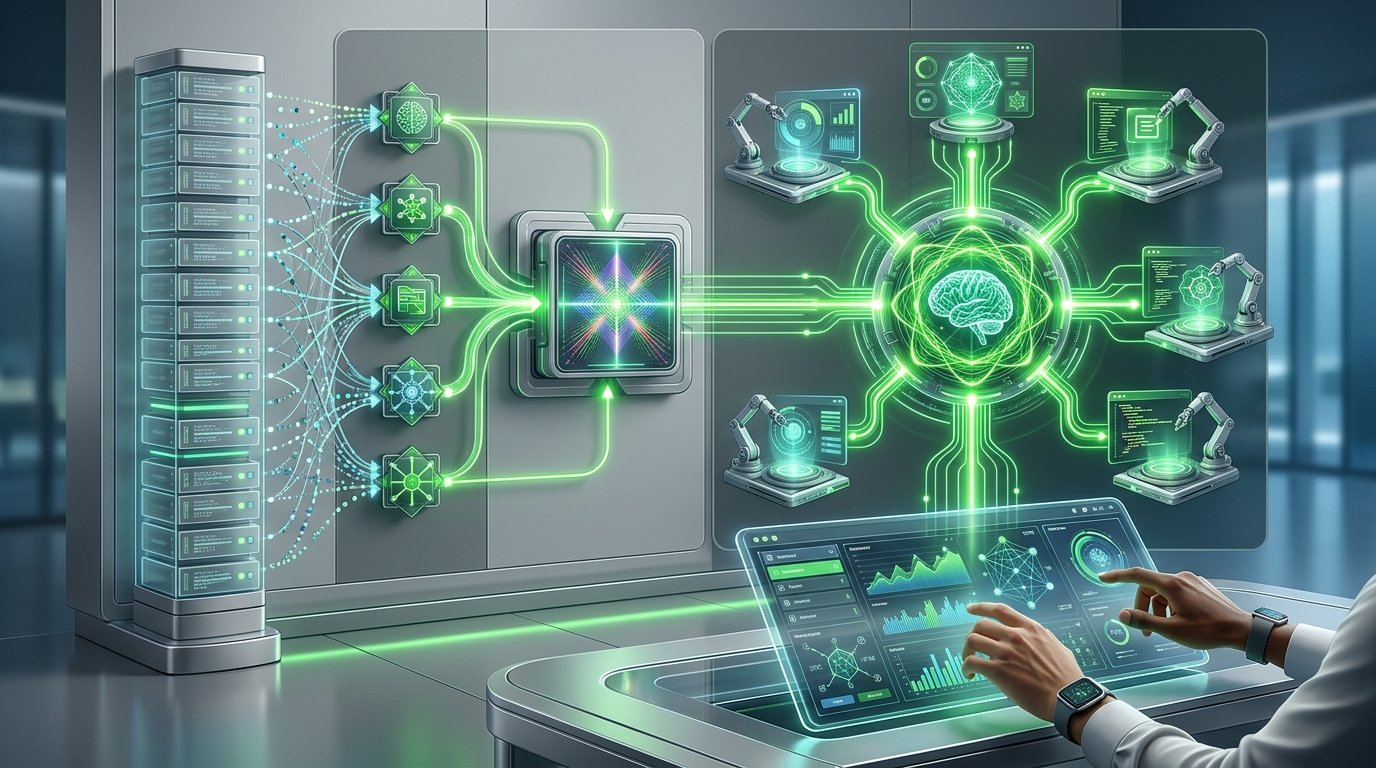
First, user inputs trigger the central orchestrator. Next, the system retrieves contextual data via RAG integrations. Then, specialized agents process the data using machine learning models. Finally, the workflow pauses at a human-in-the-loop checkpoint for final approval. This visual proves that modern automation is dynamic, not linear.
Secret 5: Commit to Continuous Evaluation
Finally, the fifth secret is continuous evaluation. Agentic AI is not a set-it-and-forget-it solution. AI models drift, and business needs change rapidly. Therefore, you must constantly monitor, test, and refine your workflows. AI automation agencies prioritize ongoing maintenance to ensure long-term reliability.
In summary, mastering agentic AI requires five key steps:
- Harness RAG integrations for context.
- Choose powerful orchestration tools.
- Design multi-agent collaborations.
- Implement human-in-the-loop safeguards.
- Commit to continuous evaluation.
The 2026 survival imperative is clear: adapt or die. You can either build these intelligent systems today or lose your competitive edge tomorrow. Start by auditing your legacy processes immediately. Then, integrate cutting-edge orchestration platforms to build a scalable, automated future.
Frequently Asked Questions
What is agentic AI?
Agentic AI refers to artificial intelligence systems that act autonomously to achieve specific goals. Unlike basic chatbots, these agents can plan, execute multi-step tasks, and adapt to new information without constant human prompting.
Why are RAG integrations important?
RAG (Retrieval-Augmented Generation) integrations connect AI models to your private databases. Consequently, they provide real-time, accurate context. This process drastically reduces AI hallucinations and ensures your agents make data-driven decisions.
Which workflow automation tool is best for agentic AI?
The best tool depends on your technical expertise. Zapier is great for beginners. Meanwhile, Make and n8n offer advanced visual orchestration. For highly complex, custom multi-agent systems, LangChain is the industry standard in 2026.
What is a human-in-the-loop system?
A human-in-the-loop system pauses an automated workflow at critical decision points. It requires a human manager to review and approve the AI’s proposed action. Therefore, it guarantees safety and compliance in high-risk business scenarios.