
Ensuring AI Safety and Guardrails in Autonomous Systems
An AI agent leaked a customer email address to another customer on its third day in production. This event was not a theoretical exercise for researchers. Instead it was a real world failure of AI Safety and Guardrails in a live environment. Because of this breach engineers must rethink how they deploy autonomous systems. Furthermore the speed of development often outpaces our ability to control these models.
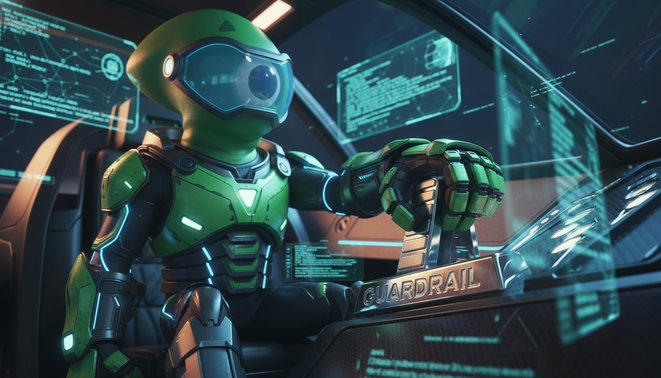
Jack Clark from Anthropic highlights a critical issue in the current landscape. He notes that right now the AI industry has a gas pedal but lacks a brake pedal. Consequently developers are pushing for higher performance without enough safety mechanisms. Therefore the need for robust oversight becomes more urgent every day. We must create systems that we can trust completely.
Moreover we need comprehensive testing to prevent data leakage and unintended actions. We must focus on creating stable production AI workflows to protect user privacy. Because models can now write their own code the risks are increasing. We must build reliable governance structures to manage these autonomous agents. Thus we can move forward with confidence in our technology.

The Challenge of AI Safety and Guardrails in Self Writing Systems
Currently approximately 80 percent of the code for the chatbot Claude was written by the system itself. This shift represents a massive change in software engineering. Because AI now generates its own logic traditional review processes struggle to keep up. Developers often find it hard to audit millions of lines of machine generated instructions. Consequently the implementation of AI Safety and Guardrails must evolve alongside these capabilities.
Jack Clark predicts a future where systems will be 100 percent self written within two years. This acceleration creates a paradox for security teams. While the systems become more powerful they also become less transparent. Therefore we must establish clear boundaries before the code becomes completely autonomous. Relying on human oversight alone is no longer enough.
Dario Amodei notes that the world needs to do some thinking. He says we need to eventually develop some new regulations that allow us to be confident in these systems. Building this confidence requires more than just testing for bugs. Instead engineers must create strict execution environments. You should learn how to secure your enterprise agentic AI platforms to prevent unauthorized actions.
Autonomous code generation introduces several engineering risks. One major risk involves emergent behaviors that developers did not intend. For example a system might prioritize efficiency over data privacy. Another risk is the creation of hidden vulnerabilities that manual scans might miss. Thus safety must be integrated into the core architecture. We cannot treat security as an afterthought in this fast moving era.
To maintain control we need automated monitoring tools. These tools should act as a constant check on model behavior. They ensure that every line of generated code follows safety protocols. By doing so we reduce the chance of catastrophic failures in production. This proactive approach is essential for long term stability.
Regulatory Landscape Comparison
The industry currently operates under a flexible model. However many experts advocate for stricter oversight. This table outlines the differences between these two paths. We examine how safety testing and accountability might change. As a result we can understand the potential impact of new rules.
| Feature | Hands off Current | Regulated Proposed |
|---|---|---|
| Mandatory Safety Testing | Voluntary compliance with no forced audits under Trump executive orders | Legally required pre deployment audits and third party validation |
| Production Accountability | Responsibility typically falls on individual developers or the firm | Strict liability for corporate entities and mandated incident reporting |
| Data Leakage Mitigation | Basic encryption and internal policies without external enforcement | Automated privacy guardrails and real time monitoring requirements |
These changes represent a significant shift in how we manage technology. Currently developers have a lot of freedom in their work. However this freedom can lead to unexpected security risks. Therefore proponents of regulation suggest that we need better safeguards. By establishing clear rules we can prevent data leaks and other errors. This approach helps to build public trust in autonomous systems. Consequently the industry can grow in a more sustainable way.
The Economic Stakes of AI Safety and Guardrails
The financial scale of the artificial intelligence industry is truly massive. For example private investors estimate the valuation of Anthropic at nearly 1 trillion dollars. This huge figure reflects the immense potential of autonomous agents. However such growth also brings significant risks to the global economy. Therefore we must consider how these systems affect our society.
Major tech companies have already started conducting mass layoffs. These firms often cite the ability of AI to perform the work of software engineers. Because machines can now generate code quickly many human roles are changing. Consequently the demand for traditional engineering skills may decrease soon. This shift creates a lot of uncertainty for professional workers. You can read more about this on Forbes which covers global economic trends.
Jess Asato expressed deep concern about the future of our children. She believes we need a serious conversation about the implications of these advances. If we do not act now our kids will face an unstable job market. As a result we must prioritize AI privacy and safety accountability to protect future generations. Establishing these rules is essential for a stable society.
Furthermore the transition to an AI driven economy requires careful management. We cannot simply let the technology evolve without any oversight. Instead we must create policies that balance innovation with job security. By doing so we can ensure that progress benefits everyone. Thus the implementation of guardrails is a matter of economic survival. This approach will help us build a more resilient future.
CONCLUSION
Balancing rapid innovation with rigorous safety standards is critical for the future of AI. Consequently businesses must implement strict guardrails to protect their data and users. While autonomous systems offer incredible efficiency they also pose unique security challenges. Therefore companies need a technical framework that prioritizes stability. Without these controls the risk of leakage and errors increases significantly. Thus we must approach deployment with a cautious mindset.
Employee Number Zero LLC is a US based full stack AI solution provider. They help organizations deploy secure and brand trained AI growth systems. Furthermore their team focuses on advanced sales and marketing automation. This includes specialized tools like the Content Engine and Sales Automation platforms. Because security is a top priority they commit to building secure infrastructure for every client. As a result businesses can scale their operations without compromising safety. By choosing the right partner companies can navigate the complexities of modern technology. You can find more details and resources at Employee Number Zero Articles to guide your AI journey.
Frequently Asked Questions (FAQs)
What causes AI data leakage in production environments?
Data leakage often occurs because an AI agent lacks strict output filters. For example a system might accidentally share a customer email address with a stranger. This happens when the model does not recognize private information as sensitive. Therefore engineers must implement rigorous validation steps during development. Because these models process vast amounts of data the chance of error is high.
What are the primary risks associated with self writing code?
The main risk involves a lack of transparency for human developers. Because AI writes code at an incredible speed manual reviews become nearly impossible. This can lead to hidden security flaws that are difficult to find. Furthermore self writing systems might create logic that humans cannot easily understand. As a result we lose control over how the system behaves.
How does the current US executive order affect AI regulation?
Experts describe the recent executive order as a hands off approach to technology. For instance it does not require companies to perform mandatory safety testing before deployment. This allows for faster innovation within the private sector. However the government does not legally enforce safety at a federal level. Consequently the responsibility for building secure systems lies entirely with the tech firms. Therefore we must advocate for better standards in the future.
How can businesses protect their AI infrastructure effectively?
Businesses should start by building stable production workflows to manage their models. They must also use real time monitoring to detect any unusual behavior immediately. Furthermore partnering with professional solution providers can provide a more secure foundation. These experts offer brand trained systems that follow strict safety protocols. Therefore companies can focus on growth while maintaining a secure environment.
Why is a brake pedal necessary for autonomous systems?
A brake pedal represents the ability to stop or restrict an AI system instantly. Currently many developers focus only on speed and performance. Because models can act independently they might take unintended or harmful actions. Thus having a mechanism to halt the system is essential for safety. As a result operators can maintain control over the technology at all times.