
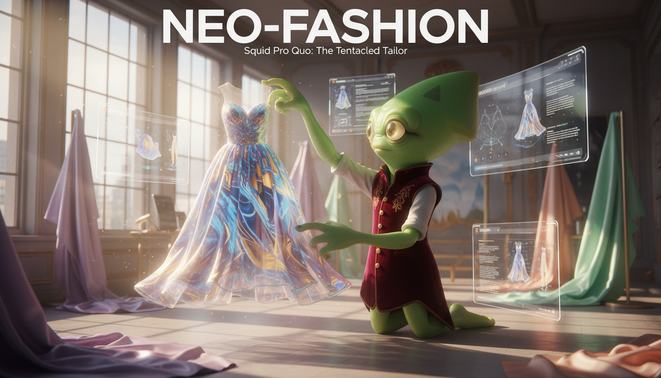
AI in Fashion Design: The Future of Creative Manufacturing
The world of clothing is changing at a rapid pace. Experts suggest the global fashion tech market will surpass 8.2 billion dollars by the end of 2026. This growth signals a massive shift in how we create and consume style. Because of these changes, AI in Fashion Design has become a critical tool for modern brands.
Artificial Intelligence is no longer at the dregs, but very much at the centre of this world. It offers a new way to visualize concepts before they even reach the factory floor. Historically, designers relied on manual sketches and physical samples. However, these traditional methods often took months to finalize.
Today, makers are moving toward AI augmented workflows to save time and resources. These advanced systems allow creators to test colors and patterns instantly. Consequently, the design cycle is now faster and more precise. This transformation helps the industry meet the demands of a fast moving digital audience.
Technology is redefining the very essence of manufacturing. Therefore, brands are investing heavily in smarter production tools. As a result, the gap between imagination and reality is shrinking every day. Because of these tools, predictive algorithms help businesses understand what consumers truly want.
Furthermore, this proactive approach reduces overproduction and supports a cleaner environment. Finally, we are entering an era where machines and humans collaborate as true partners in the creative process. These partnerships ensure that technology serves human creativity.
The Rise of AI in Fashion Design and Generative Aesthetics
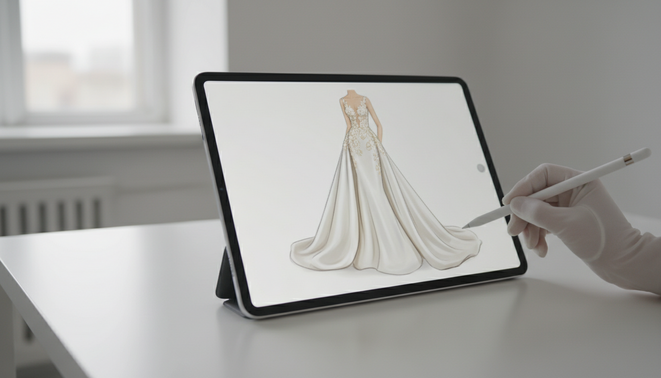
Generative AI tools are reshaping the world of AI in Fashion Design today. Platforms like Adobe Firefly and Midjourney provide instant visual inspiration for creators. These systems turn text prompts into detailed garment renders within seconds. Because of this speed, creative teams can explore hundreds of ideas in a single afternoon. As a result, the early stages of design are much more dynamic than before.
The relationship between human creators and machines is evolving rapidly. One popular sentiment captures this shift perfectly. Designers drive the vision, and AI just the velocity. This means that while the machine provides speed, the artist provides the soul. Luxury labels like Prada and GUESS are already experimenting with these technologies. They use them to refine silhouettes and create unique textures for their seasonal collections.
Predicting what people will wear next is a complex task. AI powered platforms like Heuritech and WGSN now lead this field. These tools analyze millions of social media images to spot rising styles. They look for specific patterns and colors that are gaining popularity. Consequently, brands can align their production with actual consumer needs. This data helps reduce waste and ensures items stay relevant on store shelves.
The scale of this adoption is truly impressive. According to a McKinsey 2026 report, over 45 percent of global apparel brands have integrated AI design tools. This statistic proves that digital transformation is no longer optional. Beyond aesthetics, tech also improves the fit of garments. For instance, Can AI driven fashion sizing technology curb returns? Articles explores how precision tools assist shoppers. Such innovations improve customer satisfaction and lower shipping costs for businesses.
Brands are also looking at new ways to fund these digital ventures. Why Startup funding and NFT ownership trends matter now? Articles details how modern finance impacts the tech sector. Since financial backing is growing, companies can build better design software. Additionally, even niche sectors like the Exploring the Luxury Leather Wallet Market Articles benefit from digital precision. Therefore, better tools for 3D garment simulation lead to higher quality goods for every shopper.
Supply Chain Manufacturing and Sustainability in Fashion
The clothing industry faces a major challenge regarding its environmental impact. Currently, it accounts for 2 to 8 percent of global carbon emissions. Moreover, it is the second biggest consumer of water on the planet. This sector also generates 20 percent of global wastewater every single year. Consequently, industry leaders are searching for new ways to build a more responsible future.
Supply Chain Manufacturing is undergoing a massive transformation through digital tools. First, a vital innovation is 3D Garment Simulation. This technology allows designers to create digital prototypes instead of physical samples. As a result, companies can drastically reduce textile waste during the early stages. Because they see the fit virtually, they avoid making hundreds of trial pieces.
Furthermore, digital twins help manufacturers visualize how fabrics behave in real life settings. These simulations ensure that every piece of material serves a specific and useful purpose. This focus on material efficiency is especially important for high end goods. For instance, the Exploring the Luxury Leather Wallet Market Articles shows how precision crafts benefit from better planning. Therefore, even small items can achieve a lower carbon footprint through smart design.
In addition, sustainability remains a core priority for modern investors and visionary founders. Many people now ask What fuels clean tech and energy startups today? Articles. Consequently, the answer often involves using smart algorithms to optimize green technology within the factory. In fashion, these systems predict demand to curb overstock effectively. Therefore, brands produce only what they can actually sell to customers.
AI driven analytics allow for a leaner and faster production cycle for everyone. Therefore, excess inventory no longer clogs warehouses or pollutes the environment. Because machines analyze trends accurately, businesses avoid the trap of mass overproduction. These improvements lead to a much healthier supply chain overall for the entire planet. Finally, the move toward digital manufacturing protects our natural resources for the next generation.
Design Workflow Comparison Table
The fashion industry is currently undergoing a major shift. Because technology is advancing, companies are changing their methods. Consequently, we can see a clear difference in efficiency. Therefore, the following table compares the old ways with new digital tools based on the McKinsey 2026 report data.
| Feature | Traditional Method | AI Augmented Approach |
|---|---|---|
| Prototyping Speed | Months for physical samples | Hours for digital renders |
| Environmental Impact | High fabric and water waste | Zero waste through simulation |
| Trend Accuracy | Intuition based on past trends | Precision data from analytics |
| Inventory Risk | High overstock and markdowns | Lean demand based production |
CONCLUSION
The fashion industry is entering a new era of digital creativity. However, the human element remains essential for success. The winners at the end realise that human judgment adds most value to machine work. Because of this, leading brands use technology to amplify their unique vision. Therefore, the goal is not to replace artists but to empower them.
Businesses must adapt to stay ahead in this competitive landscape. Automation provides the speed needed for modern markets. As a result, companies can focus more on strategy and less on repetitive tasks. Using smart systems allows for better resource management. This shift ensures long term growth and stability for any brand.
One leader in this field is EMP0. Also known as Employee Number Zero, LLC, they are a US based company. They provide high level AI and automation solutions for various industries. Their core offerings include a Content Engine and Sales Automation. Furthermore, they provide Revenue Predictions to help brands plan for the future.
EMP0 acts as a full stack brand trained AI worker for its clients. This system helps businesses multiply their revenue through secure methods. They use proprietary AI growth systems built for specific business needs. Because of this approach, companies gain a significant edge over competitors. This technology turns complex data into actionable insights for every user.
You can learn more by visiting the main website at emp0.com. Check out the latest insights on their blog at articles.emp0.com. For quick updates, follow their Twitter at twitter.com/Emp0_com. Finally, read their long form pieces on Medium at medium.com/@jharilela.
Frequently Asked Questions (FAQs)
How does AI improve fashion sizing?
AI analyzes body measurements to find the perfect fit for every customer. Because of this precision, shoppers feel more confident in their purchases. This technology helps reduce the high rate of returns in online retail. You can find more details at Can AI driven fashion sizing technology curb returns? Articles.
What is the role of virtual try ons?
Virtual try ons allow people to see how clothes look without wearing them. For example, platforms like DressX Agent use personalized avatars to show outfits. This creates a fun and safe environment for digital shopping. Consequently, users spend more time interacting with their favorite brands.
Can AI reduce the fashion industry carbon footprint?
Yes, technology helps lower waste in several ways. AI optimizes production cycles to prevent overstock in warehouses. Therefore, companies use fewer natural resources during manufacturing. As a result, the entire industry moves closer to a sustainable future.
Are AI influencers like Lil Miquela changing marketing?
Virtual models are becoming a powerful tool for modern fashion houses. Characters like Lil Miquela reach millions of young followers on social media. Because they are digital, brands have complete control over the message. This flexibility leads to more creative and consistent advertising campaigns.
Will AI replace human fashion designers?
Machines are excellent at processing data and generating quick ideas. However, the most important element is still human judgment. Designers provide the soul and vision that technology cannot replicate. Therefore, the best results come from humans and machines working as partners.