
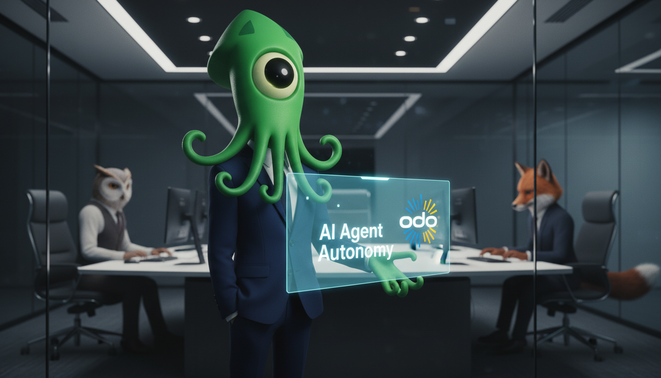
AI Adoption and Autonomy: Navigating the Shift to Autonomous Agents
The global business landscape is currently undergoing a massive and rapid transformation. We are moving well beyond the era of simple digital tools or basic software. This new period of AI Adoption and Autonomy marks a sharp departure from manual automation. In the past, workers relied on manual prompting to get results from machines. However, the current trend favors systems that operate with complete independence. Because these technologies advance so quickly, companies must adapt their strategies immediately.
The shift toward true autonomy allows digital agents to execute complex projects without human intervention. These agents can research and analyze or even write code while running in the background. Consequently, the role of the human operator is changing from a creator to a strategic director. As a result, this evolution requires a forward looking approach to organizational management. Leaders must understand that these tools are no longer just assistants.
Ben Angel provides a sharp insight into this new reality for modern businesses. He notes that “The real shift in AI isn’t just better tools. It’s entrepreneurs learning how to deploy AI workers instead of AI assistants.” This distinction is critical for any organization aiming for long term success. If companies continue to treat AI as a simple helper, they will miss the primary benefits. Therefore, achieving scale requires a cultural commitment to learning and trust.

Overcoming Executive Barriers to AI Adoption and Autonomy
Successful execution of AI initiatives depends heavily on the speed of decision making. The time between deciding and acting serves as a strong predictor of progress. Unfortunately, many leaders struggle with deep rooted fears regarding new technology. These leaders often believe that “Moving fast is dangerous, and playing it safe matters more than making progress.” Consequently, they miss opportunities to gain a significant market advantage.
Six common executive behaviors frequently sabotage the path to autonomy. Excessive caution slows down every internal project. Seeking alignment everywhere creates endless bottlenecks in the decision process. Leaders also derail progress by delegating tasks without any personal engagement. Furthermore, chasing perfection prevents teams from testing early versions of AI agents. Defending legacy processes keeps the organization tied to inefficient habits. Finally, rewarding old metrics discourages employees from exploring innovative AI solutions. These barriers prevent the company from reaching its full potential.
Organizations must overcome these hurdles to foster real AI Adoption and Autonomy. You can find strategies for this in strategic leadership frameworks. For instance, the AI Success Kit provides a roadmap for building momentum. Tools like Zapier enable teams to automate tasks without waiting for complex approvals. By using these resources, businesses can shift from planning to acting much faster. This rapid movement is vital for redefining workflows in a digital age. Leaders who act with speed will always outperform those who wait for certainty.
Comparing AI Automation and AI Autonomy
Understanding the core differences between these two states is essential for modern leaders. While automation handles repetitive tasks, autonomy creates a self sufficient work environment. Because of this change, companies can scale operations without increasing headcount. Consequently, the business world is moving toward a model where agents manage entire workflows. The table below highlights the key shifts that occur during this digital transition. It shows how the AI worker replaces the digital assistant.
| Comparison Criteria | AI Automation | AI Autonomy |
|---|---|---|
| Operational Trigger | Manual | Goal oriented |
| Level of Supervision | Constant | Exception based |
| Workflow Scope | Single task | Multi stage project |
| Primary Outcome | Assistant | Autonomous AI worker |
Building a Culture Prepared for AI Adoption and Autonomy
Organizational culture acts as the foundation for any successful digital transformation. Leaders must realize that technology alone cannot solve deep structural issues. Specifically, culture determines the ultimate impact of new software systems. If a culture relies on trust and learning, AI adoption accelerates progress. However, if a culture depends on control and blame, technology merely magnifies existing flaws. Consequently, the environment must support experimentation before deploying advanced tools. Many organizations look to experts like those at Harvard Business Review for guidance on cultural shifts.
Matt Domo emphasizes this reality in his strategic discussions about leadership and data. Furthermore, Ben Angel explores these themes in his popular book titled The Wolf is at The Door. They suggest that companies must prepare their people for a shift in mindset. AI can’t fix your culture, but it will scale whatever shape it’s in. Therefore, executives should focus on human readiness alongside technical implementation. This balanced approach ensures that the organization remains resilient during change.
Modern autonomous agents are now capable of performing complex background work without supervision. These digital entities can handle researching and analyzing data quite effectively. Additionally, they can write code and execute projects while human staff focus on strategy. Because these agents operate independently, they represent a significant leap in productivity. This capability allows businesses to scale operations without adding massive overhead. As a result, the speed of execution increases significantly across the enterprise. Leading innovators at Google AI continue to push the boundaries of what these agents can achieve.
Leaders must remember that AI is just a tool. It is a powerful one with immense potential, to be sure, but still just a tool. Success depends on how humans choose to direct these autonomous agents toward clear goals. Therefore, building a culture of transparency is vital for long term growth. Every employee should understand how these tools benefit their daily tasks. By fostering this understanding, companies can achieve a smooth transition to new ways of working.
CONCLUSION
The journey toward full AI Adoption and Autonomy requires a fundamental pivot in leadership. Executives must stop thinking of AI as a simple assistant. Instead they need to deploy autonomous workers that drive real results. This shift ensures that companies stay competitive in an evolving market. Consequently the focus moves from task completion to strategic growth.
For US based businesses seeking expert guidance EMP0 offers specialized solutions. Employee Number Zero LLC serves as a premier partner for digital transformation. They provide a full stack brand trained AI worker for your team. This digital worker deploys powerful growth systems like a Content Engine. It also manages Sales Automation and Retargeting Bots to multiply revenue. Because security matters these systems run safely under your own infrastructure. Therefore your business gains efficiency without compromising data privacy. Additionally these tools scale perfectly with your company needs. Furthermore the implementation process is smooth and fast.
By using these systems organizations can reclaim valuable time. Teams focus on innovation while agents handle the heavy lifting. This approach creates a sustainable path toward a digital future. Strategic leaders choose to act now rather than waiting for others. Success in this era belongs to those who move with speed and trust. You can learn more about these growth systems on their official blog.
Blog: articles.emp0.com
Frequently Asked Questions (FAQs)
What is the main difference between AI automation and AI autonomy?
Automation involves a machine performing a specific task based on manual triggers. For example, a person must prompt the software to start a process. In contrast, AI autonomy refers to systems that set their own steps to achieve a broad goal. These autonomous agents can work in the background without constant human supervision. Therefore, the shift represents a move from digital assistants to independent AI workers.
How should a company begin building an agentic workflow?
A company should start by identifying a multi stage project that requires repetitive research or analysis. Then, leaders can use tools like Zapier to connect different software applications. This setup allows autonomous agents to pass data between platforms without human help. Because this approach reduces manual labor, the team can focus on higher level strategy. As a result, the organization builds momentum for a larger digital transformation.
Which leadership traits are most important for AI Adoption and Autonomy?
Leaders must demonstrate a high degree of decisiveness and a willingness to learn. Speed is a primary predictor of success because the technology changes so rapidly. Furthermore, executives should avoid excessive caution or seeking perfect alignment for every small step. Instead, they must foster an environment that rewards experimentation and rapid execution. Consequently, a strategic and forward looking mindset is vital for managing autonomous agents effectively.
Are autonomous agents capable of handling technical tasks like coding or writing?
Yes, modern autonomous agents are highly proficient at technical and creative work. They can research complex topics and write coherent reports without any human intervention. Additionally, these systems can generate and debug code to automate internal processes. Since they run in the background, they act as productive members of the workforce. Therefore, businesses can scale their technical capabilities without hiring more specialized staff.
Why does organizational culture play such a big role in AI impact?
Culture determines whether technology will accelerate progress or magnify existing problems. A culture built on trust and learning allows teams to adopt new tools quickly. However, a culture focused on control and blame often creates resistance to change. AI cannot fix a broken culture because it simply scales the current environment. Thus, leaders must prioritize cultural health before deploying advanced autonomous systems.