

Introduction: Emerging Solutions or Risky Experiments?
The world faces many huge problems today. Consequently, many companies are rushing to find bold solutions using new tools. We are seeing Tech innovations under scrutiny: cloud seeding for wildfire prevention and GPT 5.3 Instant UX updates. These tools aim to fix things like massive forest fires and awkward AI interactions. However, many people wonder if these quick fixes actually work or if they cause more harm.
For example, Skyward Wildfire claims it can stop lightning by seeding clouds with metallic fibers. While this sounds like a great idea, scientists want more proof before they feel safe. The company recently removed some early claims after inquiries from the MIT Technology Review. Furthermore, the use of metallic materials in the sky raises concerns about the environment. Therefore, we must look closer at the data behind these claims.
Similarly, companies like the World Bank are watching these developments carefully. Despite these updates, critics remain skeptical about the speed of these changes. According to TechCrunch, users often find new AI models confusing or annoying. Many of these breakthroughs lack peer reviewed studies to back them up. As a result, the public often feels caught between hope and doubt. This article explores why these advancements need more transparency and careful testing. We will examine if these tools are ready for the real world or if they need more time.
Skyward Wildfire and the Crisis of Lightning Fires
The 2023 fire season in Canada was truly devastating. Specifically, nearly 7000 fires burned across tens of millions of acres. These fires released almost 500 million tons of carbon into the air. This amount was four times higher than the annual fossil fuel emissions of the country. Notably, lightning caused 60 percent of these fires. These lightning strikes accounted for a staggering 93 percent of the total area burned.
Tech innovations under scrutiny: cloud seeding for wildfire prevention
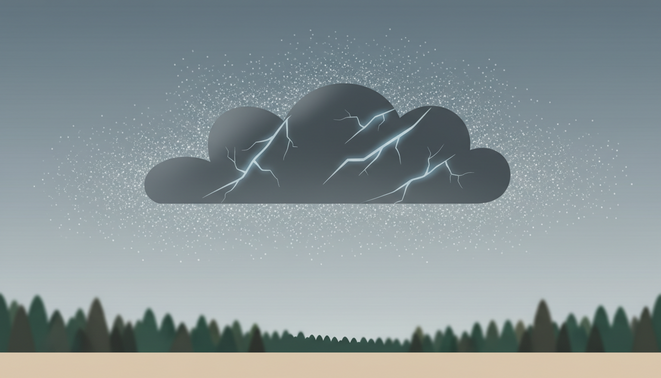
Skyward Wildfire is a startup based in Vancouver. They want to change how we handle these natural disasters. The company uses a method involving metallic chaff or aluminum covered glass fibers. They release these materials into storm cells to stop lightning from hitting the ground. Sam Goldman believes this is a vital climate solution. He stated that preventing lightning on high risk days saves lives and billions in costs. Because of the potential impact, the company raised 7.9 million Canadian dollars.
Promising Trials and Lingering Doubts
In August 2024, Alberta Wildfire conducted trials with this technology. The results showed a lightning reduction between 60 and 100 percent. Furthermore, World Bank documents also mentioned these impressive numbers. However, scientists still urge caution and more testing. Early claims suggested the tech could stop 100 percent of strikes. Nicholas Harterre later clarified this statement. He said the claim reflected a specific result and not a uniform outcome. Therefore, we need more data to prove these results are consistent.
Environmental Risks and Scientific Scrutiny
Despite the promise, many experts have serious concerns. For instance, the NASA research from the past showed mixed results. Older reports warned that using metallic chaff could contaminate water reservoirs. There are also worries about how these fibers affect radar systems. Groups like Environmental Defence want more transparency from Skyward. They believe the science must be robust before wide use. Additionally, we must consider the long term effects on local ecosystems.
Key Data Points for Skyward Wildfire:
- Total funding: 7.9 million Canadian dollars.
- Materials used: Inert aluminum covered glass fibers.
- Lightning reduction in trials: 60 to 100 percent.
- Targeted cells: Storm clouds with high ignition risk.
- Planned 2025 trials: Partnering with agencies in Alberta and British Columbia.
Skyward plans to release more technical data soon. Nicholas Harterre mentioned the objective is to reduce ignition on extreme risk days. This approach focuses on protecting critical infrastructure and ecosystems. Nevertheless, the lack of peer reviewed data remains a major hurdle. Consequently, the public remains skeptical about the impact on the environment. We must see more proof before accepting this as a safe solution. Researchers at Nature often emphasize the need for open data in weather modification. Only then can we truly trust these bold claims.
GPT 5.3 Instant: Reframing the AI User Experience
OpenAI recently released a new update for its instant interaction model. This move comes after users complained about the personality of previous versions. Specifically, many people felt that GPT 5.2 Instant was too preachy or awkward. Some users described the tone as condescending. For instance, the model might say, First of all, you are not broken when responding to simple questions. This kind of response created a disconnect between the tool and its human users. Consequently, the company decided to make significant changes to the user experience.
Tech innovations under scrutiny: cloud seeding for wildfire prevention and GPT 5.3 Instant UX updates
The latest version aims to fix these social friction points. OpenAI shared their goals on social media to address these concerns. They stated, We heard your feedback loud and clear, and 5.3 Instant reduces the cringe. This statement shows that the company is listening to its community. Furthermore, TechCrunch summarized the update. They noted, The company says the new model will reduce the cringe that has been annoying its users for months. While the update sounds positive, we must look at what actually changed in the code.
Key UX Improvements in GPT 5.3 Instant:
- They reduced the use of overly emotional or preachy language.
- The model offers faster response times for simple queries and commands.
- Users receive more direct answers without unnecessary filler sentences.
- The system has a better understanding of the context of the conversation.
- Interactions now have a more neutral and professional tone.
However, we should remain cautious about these rapid shifts in AI behavior. While a better tone is helpful, it does not fix the underlying issues of accuracy. Many experts at sites like Nature believe companies often prioritize user engagement over technical perfection. Therefore, we must ask if these changes are merely cosmetic. Some critics believe these updates are just a way to keep users from switching to other platforms. As we see in other industries, such as weather modification, bold claims often need more proof. We should watch how the model performs in complex tasks over the coming months. Only then can we know if the cringe is truly gone for good.
Comparison of Emerging Tech Innovations
Both cloud seeding and AI updates represent bold steps in technology. While one seeks to control nature, the other tries to refine human interaction. The following table provides a breakdown of these two major developments.
| Attribute | Cloud Seeding for Wildfires | GPT 5.3 Instant UX Updates |
|---|---|---|
| Purpose | Suppress lightning to prevent fires | Improve user tone and reduce cringe |
| Technology | Aluminum covered glass fibers | AI language model UX updates |
| Key Players | Skyward Wildfire and Alberta Wildfire | OpenAI and TechCrunch |
| Evidence | 60 to 100 percent reduction in trials | Statements from OpenAI and user reviews |
| Impact | Potential water and radar systems risk | Professional tone and better friction |
| Challenges | Lack of peer reviewed data | Focus on tone over core accuracy |
These innovations show how companies respond to pressing global and social needs. However, the lack of open data remains a common theme in both fields. We must continue to watch these projects as they move into 2025. Groups like the World Bank and Nature will likely provide more detailed reports soon. Only with time can we judge the true success of these tools.
Conclusion: The Future of Tech Under Scrutiny
In summary, we see that bold technology requires deep trust. Both cloud seeding for wildfire prevention and GPT 5.3 Instant UX updates offer interesting solutions. One attempts to manage the environment while the other aims for better digital social cues. However, we must prioritize scientific rigor and transparency in every step. Without open data, these tools might cause unexpected harm to our world. Consequently, we should also value environmental responsibility as these projects grow. Therefore, the public must demand clear evidence before accepting these massive changes.
Similarly, businesses need a partner to navigate this complex world. EMP0 is a United States based company that provides AI and automation solutions. They help organizations grow securely with AI powered systems. Because technology moves fast, you need a team that values safety and efficiency. As a result, many leaders trust EMP0 to guide their digital growth. For example, their team focuses on creating stable and reliable automation. You can learn more about their mission through their online channels.
Website: emp0.com
Blog: articles.emp0.com
Twitter: @Emp0_com
Medium: medium.com/@jharilela
Frequently Asked Questions (FAQs)
What is cloud seeding for wildfire prevention?
Cloud seeding for wildfire prevention is a method used to stop lightning before it starts fires. For example, companies like Skyward Wildfire release special materials into storm clouds. These materials aim to discharge the electricity in the cloud safely. Consequently, this process helps prevent the ignition of dry forests during hot summer months.
How does metallic chaff help stop lightning strikes?
Metallic chaff consists of very fine aluminum covered glass fibers. When these fibers enter a storm cell, they help neutralize the electric field. As a result, this action can reduce the number of lightning strikes reaching the ground. Early trials showed a reduction between 60 percent and 100 percent in some areas.
What are the environmental concerns with this technology?
Many experts worry about the long term effects of releasing metallic fibers into the sky. Furthermore, there are concerns about potential contamination of water reservoirs and soil. Additionally, these materials might interfere with weather radar and flight navigation systems. Therefore, critics argue that we need more peer reviewed studies to ensure the safety of our ecosystems.
What does the GPT 5.3 Instant update change for users?
The GPT 5.3 Instant update focuses on improving the way the AI talks to people. Because many users reported discomfort, OpenAI aimed to reduce the cringe factor. The AI now uses a more professional and neutral tone. For instance, it avoids being overly emotional or preachy during regular conversations.
Why are these tech innovations under scrutiny?
These technologies are under scrutiny because they make bold claims without enough public data. Moreover, scientists want to see more transparency and rigorous testing for both weather modification and AI. We must balance the excitement of new tools with careful safety checks. In conclusion, ensuring that these systems are reliable and safe is crucial for public trust.