
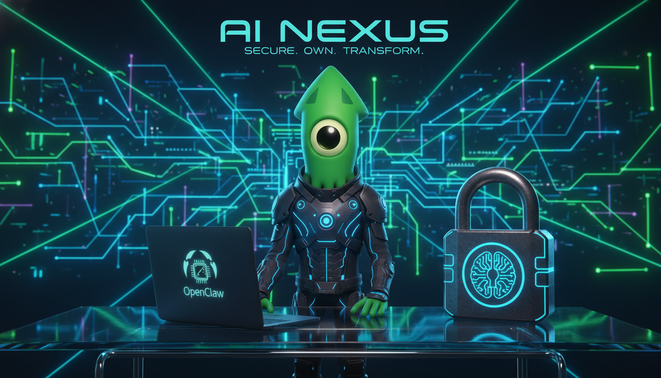
The Viral Rise of OpenClaw and the Security Crisis of AI Agents
Since late January 2026, a new tool named OpenClaw has taken the internet by storm. This viral sensation allows anyone to build a personal AI assistant using Large Language Models. Because the software is easy to use, thousands of people have integrated it into their daily lives. These users want a digital helper that can manage emails or browse the web. However, the rapid adoption of OpenClaw raises serious questions about digital safety.
While the technology feels magical, security experts are sounding the alarm. The Chinese government even issued a public warning regarding its many security vulnerabilities. Consequently, many people now fear that their private data might be at risk. The software can access local files and sensitive messaging apps. Therefore, giving such deep access to an unproven system seems dangerous.
Experts worry specifically about prompt injection attacks. As a result, the initial excitement is turning into a cautious reckoning. We must ask if these AI personal assistants are ready for the real world. This article explores the balance between innovation and extreme risk.
Navigating the Power and Risks of OpenClaw
OpenClaw serves as a highly capable AI assistant for many people. It connects directly to Large Language Models or LLMs to perform complex tasks. Users can talk to the software through popular messaging apps. Because it links to web browsers and local files, it handles data with ease. This deep integration makes it a potent tool for personal productivity.
However, this access creates significant hurdles for AI security. Managing these permissions requires careful thought and planning. You can learn How to implement AI agents safety and governance effectively? to understand the broader context. Without strong rules, the system remains vulnerable to external manipulation. Therefore, security remains a top priority for developers.
Specifically, one major threat is prompt injection. Imagine an email arriving that tells your AI assistant to delete all your files. The AI might follow the hidden command because it cannot distinguish between you and the sender. Nicolas Papernot says that using something like OpenClaw is like giving your wallet to a stranger in the street. Consequently, this reality makes many people nervous about their private information.
Furthermore, attackers could use hidden text on a website to hijack your browser sessions. This creates a massive hole in your digital defense. Dawn Song notes that we do not really have a silver bullet defense right now. As a result, users must stay vigilant as the industry searches for solutions. For more on the risks of AI data, see how we can handle the Can we trust AI truth crisis and content authenticity?.

Expert and Public Alarm Over OpenClaw Vulnerabilities
The global response to OpenClaw has shifted from wonder to deep concern. Experts from major universities highlight the massive risks of these tools. For instance, Nicolas Papernot warns about the danger of open access. He says that using something like OpenClaw is like giving your wallet to a stranger in the street. This comparison shows why many people feel uneasy about their digital safety.
Government bodies are also taking notice of the problem. The Chinese government issued a public warning about the security flaws in this software. Because of these threats, researchers like Dawn Song remain cautious. She notes that we do not really have a silver bullet defense right now. Therefore, users must find ways to protect their personal information.
Additionally, Neil Gong from Duke University discusses the difficulty of setting rules. He mentions that the challenge is how to accurately define those policies. This difficulty makes it hard to create universal safety standards for every user.
Furthermore, experts recommend specific technical precautions to manage AI security. They suggest that users should run OpenClaw on separate computers. Alternatively, running the software in isolated cloud environments can reduce local risks. As a result, the user can limit the reach of a potential attack.
Consequently, these steps provide a necessary layer of protection. These actions help keep private data secure from prying eyes. Security must always come before convenience in the digital age.
Comparing Security Strategies for OpenClaw
Managing AI security requires several layers of protection. Because OpenClaw has deep access, users must choose the right defense. Therefore, many experts suggest specific technical setups to keep data safe. As a result, the following table highlights the most common strategies used today.
| Security Measure | Description | Pros | Cons |
|---|---|---|---|
| Separate Computers | Users run the software on a machine with no personal data |
|
|
| Cloud Environments | People host their AI assistants on remote servers |
|
|
| Policy Definitions | Owners set specific rules for how the AI behaves |
|
|
| Injection Defenses | Developers add layers to block malicious commands |
|
|
Conclusion and the Safety of OpenClaw
The rise of OpenClaw shows that AI agents are here to stay. However the security risks remind us that safety cannot be an afterthought. Prompt injection and data leaks remain serious threats for any user. Therefore building a robust AI governance structure is essential for long term success. Consequently we must prioritize secure infrastructure to protect our digital assets.
If you want to grow with confidence look for trusted partners. EMP0 specializes in secure AI powered growth systems for modern businesses. They provide ready made tools that help you automate tasks safely. Additionally their proprietary AI utilities ensure your data stays under your control. By choosing proven systems you avoid the pitfalls of unverified software.
Visit the official website at emp0.com to learn more. You can also read deep dives on the blog at articles.emp0.com. Follow the team on Twitter at @Emp0_com for the latest updates. For more insights check the Medium page at medium.com/@jharilela. These resources provide the knowledge you need to navigate the world of artificial intelligence safely. Secure your future today by exploring these advanced solutions for business growth.
Frequently Asked Questions (FAQs)
What is OpenClaw?
OpenClaw is a viral software tool that lets users build their own AI personal assistants. Consequently it uses Large Language Models to perform tasks like managing emails or searching the web.
How does OpenClaw handle personal data?
The software connects to your local files and web browsers to help you stay organized. However this deep access means the system can read sensitive information if not managed properly.
What are the main security risks with this software?
One major risk is called prompt injection where a malicious command tricks the AI into performing harmful actions. Therefore another risk involves the lack of a silver bullet defense against sophisticated attacks.
Why did the Chinese government issue a warning?
Because of significant vulnerabilities discovered within the code the warning appeared. Officials want to ensure that citizens protect their private data from potential cyber threats.
How can I use OpenClaw safely?
Experts suggest running the program on a separate computer or within an isolated cloud environment. As a result this setup prevents the AI from accessing your primary files and keeps your main system safe.