
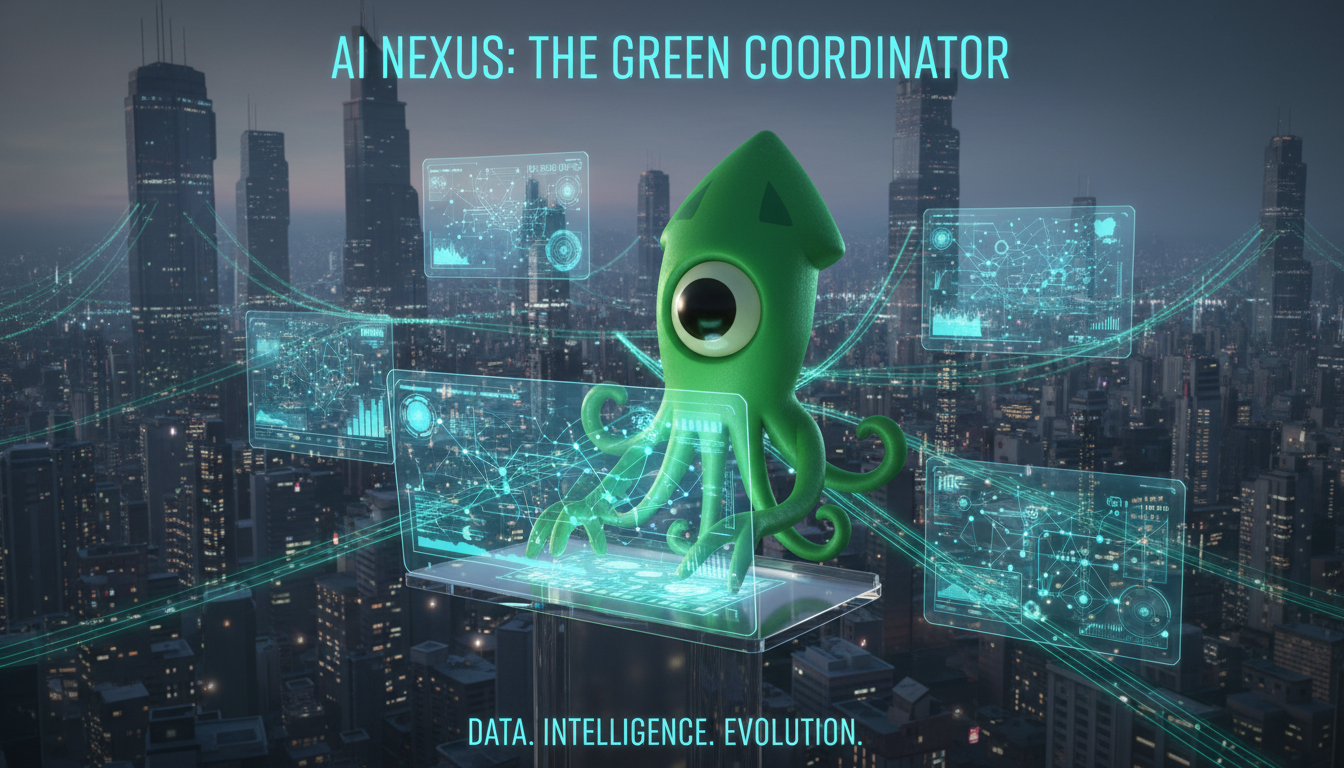
AI Coordination and Social Intelligence: How Foundation Models Evolve Beyond Single User Assistants
Welcome to the next era of digital intelligence. For years we relied on simple tools for basic tasks. However a massive shift is happening right now. We are moving from basic tools to complex AI coordination. This change marks the birth of true social intelligence in machines.
Modern foundation models no longer act as lonely bots. Instead they function within multi agent systems to solve hard problems. These systems talk to each other to help humans better. Andi Peng from the company Humans and perfectly captures this exciting moment. She says “It feels like we’re ending the first paradigm of scaling, where question answering models were trained to be very smart at particular verticals, and now we’re entering what we believe to be the second wave of adoption where the average consumer or user is trying to figure out what to do with all these things.“
This second wave focuses on how various tools work together. AI coordination allows different agents to share goals and knowledge. Because of this progress we see a new collaboration layer forming. Consequently this layer will change how businesses and people interact forever. The future looks bright as these smart systems start to understand our social world.
The Rise of Foundation Models and Social Intelligence
Foundation models represent the core of modern machine learning. These large systems learn from vast datasets to perform diverse tasks. While early versions helped single users they now evolve rapidly. Today they focus on social intelligence. This trait allows AI to interact within a shared environment effectively. Because models understand context they can assist teams better than ever before.
The development of multi agent reinforcement learning drives this shift. This technique trains several systems to collaborate on complex goals. Rather than working in isolation these agents communicate and adapt. Consequently they find better solutions for big challenges. This evolution changes how we think about productivity. It moves us away from simple assistants toward true partners. Read more on How do Agent driven interfaces and multi agent AI systems work?.
Experts believe this change creates a new collaboration layer. This layer sits between human users and digital tools. It makes communication platforms smarter and more responsive. TechCrunch notes the model slash product would act as connective tissue across any organization. Because it links systems it removes friction in daily work. For instance it helps in Is AI enabled ERP in the agentic AI era future ready?.
Eric Zelikman shares this optimistic vision for the future. He states that we believe this is going to be a generational company. He believes it will change the future of how we interact with these models. This transformation relies on several key factors:
- Shared goals across multiple agents in a system.
- Dynamic learning through social intelligence and group tasks.
- Integration with existing communication platforms for better flow.
- Advanced multi agent reinforcement learning to optimize results.
By using these methods AI coordination reaches new heights. It allows for a more connected and efficient world. These systems will soon manage entire workflows on their own. This innovative approach promises to boost global productivity. In addition it creates more room for human creativity. Therefore we are entering an era of unprecedented cooperation.
Comparative Analysis of Social Intelligence Features
The evolution of AI coordination depends on how models manage group dynamics. Leading companies now move past single user tools. They focus on building systems that collaborate naturally. This transition ensures that foundation models can handle complex team workflows. By using social intelligence these tools become more than just assistants. They become active participants in the modern workforce.
| Company | Product or Model | Unique Social Intelligence Features | Collaboration and Coordination Capabilities |
|---|---|---|---|
| Humans and | Multi Agent Foundation Model | Focus on social intelligence and long horizon learning | Acts as connective tissue for teams and organizations |
| Anthropic (Website) | Claude and Claude Cowork | Emphasis on constitutional AI and safety during interaction | Supports shared workspaces and collective tasks |
| Meta (Website) | Llama Series | Open research into world models and agentic behavior | Facilitates community driven development and shared tools |
| OpenAI | GPT and o1 Models | Advanced reasoning and task planning for groups | Multi agent interaction and swarm intelligence research |
| xAI | Grok | Real time social data integration via X platform | Social awareness through live public discourse streams |
| Google DeepMind (Website) | Gemini and Alpha Series | Deep research into game theory and cooperation | Optimization of multi agent systems in complex environments |
Each effort shows a clear trend toward interconnected systems. As these foundation models improve they will handle more complex group dynamics. This progress ensures that AI becomes a vital part of every social and professional interaction. Because researchers use multi agent reinforcement learning these systems learn to cooperate. Consequently the future of social intelligence looks very promising.
The Future Outlook of AI Coordination and Social Intelligence
The potential for growth in this field is truly immense. Recently the startup Humans and secured a massive 480 million dollar seed round. This investment shows huge confidence in the power of social intelligence. They envision AI as a central nervous system for a new human plus AI economy. This system will link people and machines in ways we never imagined before. Because of this funding we will see rapid progress in multi agent systems.
Innovation often happens through multi agent reinforcement learning. This method allows machines to learn through trial and error within groups. Consequently these agents become better at coordinating complex tasks. This technology will soon serve as a foundational layer for all collaboration platforms. It will manage schedules and data flow without human help. You can see similar patterns in How does Autonomous multi agent logistics optimize routes? These logistics systems already show how agents work together for efficiency.
Businesses will experience a total transformation in productivity. Every department will benefit from a smarter collaboration layer. This shift allows teams to focus on creative strategy instead of routine tasks. For instance new ventures explore these boundaries in depth. You might find interest in Can Yann LeCun’s new venture spark a world model shift? Such breakthroughs will define how we use social intelligence in the coming years.
Key trends for the near future include:
- Seamless integration of AI agents into daily communication platforms.
- Autonomous coordination of global supply chains using social intelligence.
- Enhanced decision making through multi agent reinforcement learning.
- Secure and private data sharing across decentralized AI networks.
The path forward is bright and full of opportunity. As these tools evolve they will empower every user. Social intelligence will move from a feature to a core necessity. Therefore we should expect a more connected and efficient global economy. These innovations mark a significant step toward a better digital future.
CONCLUSION
AI coordination marks a huge step for foundation models. They now offer deep social intelligence for every user. This shift transforms how businesses handle complex tasks. Individuals also benefit from smarter and more reactive tools. Because technology moves fast we need reliable growth systems.
These innovations allow for better collaboration across global networks. Consequently we are entering an era of limitless potential and shared success. EMP0 stands out as a forward thinking leader in this space. The company provides advanced AI and automation solutions for growth.
As a result they help clients multiply revenue through AI powered growth systems. They deploy these tools securely within your collaboration platforms. The EMP0 Content Engine simplifies your digital presence on communication platforms. Additionally the Marketing Funnel attracts new customers automatically.
Sales Automation ensures that no lead goes to waste. Furthermore the Retargeting Bot keeps your brand visible everywhere. Revenue Predictions provide clear insights for future planning. Therefore the future of social intelligence arrives today.
AI coordination will soon drive every modern enterprise. Join this revolution to stay ahead of the competition. For this reason your business will thrive in the new economy.
Blog: Read our Blog
n8n: Explore n8n
Frequently Asked Questions (FAQs)
What is AI coordination within foundation models?
AI coordination involves multiple digital agents working together to solve a shared problem. Because these systems communicate they can manage complex workflows that a single user tool cannot handle alone.
How does social intelligence benefit digital assistants?
Social intelligence allows machines to understand human context and team dynamics. As a result these assistants become active partners that predict needs and facilitate smoother interactions across communication platforms.
Why should businesses care about multi agent systems?
Multi agent systems act as a central nervous system for an organization. They connect various tools and data streams to remove friction and boost overall productivity for the entire team.
What is the significance of multi agent reinforcement learning?
This training method enables agents to learn through group interaction and cooperation. Therefore the models become highly efficient at coordinating long horizon tasks in dynamic and unpredictable environments.
How does a collaboration layer change daily operations?
A collaboration layer sits on top of existing software to unify data and tasks. It allows for autonomous coordination of projects which gives employees more time to focus on strategic innovation.