
Unveiling the Top Technology Trends 2026: A Glimpse into Tomorrow
The world is on the cusp of a technological revolution. Groundbreaking innovations are no longer distant dreams but are actively reshaping our reality. From personalized medicine that can edit our very genes to tiny, custom built applications that simplify our daily lives, the future is unfolding faster than ever. This wave of change is powered by incredible advancements in science and computing. As a result, industries are transforming before our eyes, creating new possibilities and challenges.
As we look toward the horizon, the technology trends 2026 are set to redefine our world in profound ways. This article explores three pivotal areas leading this charge. First, we will delve into the world of biotechnology, where gene editing is making diseases treatable in ways previously thought impossible. Next, we will examine the rise of micro apps, a movement empowering individuals to create their own software with minimal coding knowledge. Finally, we will navigate the complex landscape of AI in healthcare, where artificial intelligence promises to revolutionize diagnostics and patient care.
Join us as we unpack these fascinating developments. We will explore the breakthroughs, the ethical questions, and the immense potential these technologies hold. Understanding these trends is crucial for anyone looking to stay ahead in a rapidly evolving digital world. Let’s explore what the future holds and how these innovations will impact our lives, our work, and our society as a whole.
Biotech Marvels: Editing Genes and Resurrecting Species
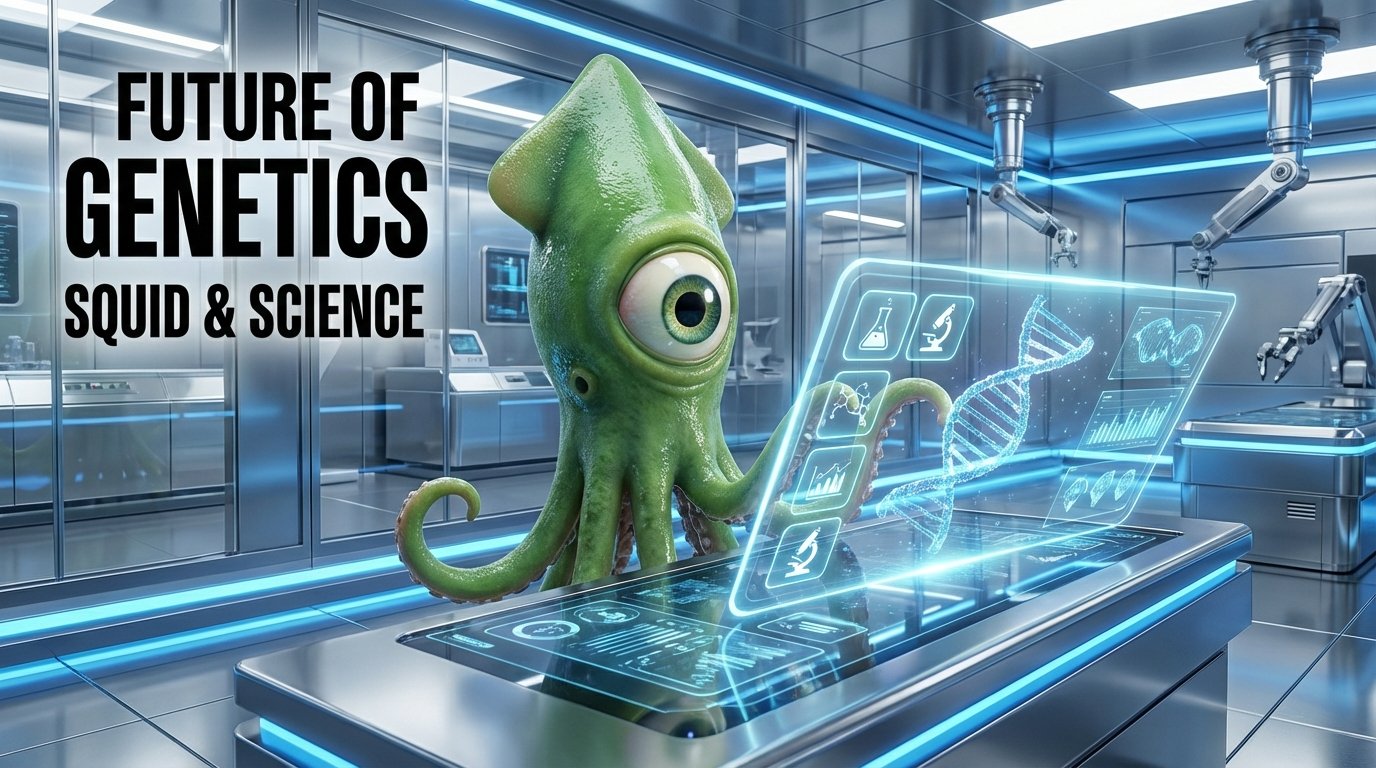
Biotechnology is experiencing a golden age of innovation, with breakthroughs that were once the stuff of science fiction becoming reality. Scientists are now able to edit the very building blocks of life, offering hope for curing genetic diseases and even bringing back extinct species. These advancements are not just theoretical; they are having real world impacts, demonstrating the incredible power of genetic science to reshape our future and our health.
Personalized Medicine: A Core Component of Technology Trends 2026
One of the most profound developments is in personalized medicine. The case of KJ Muldoon, born in 2024 with a rare genetic disorder, stands as a landmark example. His condition led to toxic ammonia buildup in his blood, posing a severe risk of neurological damage. Doctors administered an experimental base editing therapy, a precise form of gene editing. After three doses, KJ is now thriving, a testament to what many are calling a “base edited baby!” This success story highlights the potential of what US regulators have termed “bespoke, personalized therapies.” Companies like Aurora Therapeutics, cofounded by Fyodor Urnov who helped develop the treatment, are at the forefront of this revolution. They are developing gene editing drugs for other conditions, showing how these breakthrough technologies will redefine our approach to medicine.
Pushing Boundaries: Genetic Engineering in Technology Trends 2026
The frontier of biotechnology extends beyond human health into rewriting the rules of the natural world. Colossal Biosciences captured headlines by creating “woolly mice” through genetic modifications using ancient DNA techniques, a step toward their larger goal of de extinction. This same technological prowess is being applied to embryo screening. Labs can now analyze an embryo’s cells to screen for genetic diseases before implantation. Furthermore, some companies like Nucleus are pushing into controversial territory by offering embryo selection for non medical traits such as height or intelligence. These practices raise significant ethical questions, but they also underscore the rapid acceleration of genetic engineering capabilities.

The Micro App Revolution: Personal Software for Everyone
A significant shift is underway in the software world. Instead of relying on one size fits all applications, people are now creating their own personal, niche software. This movement is powered by the rise of no code and low code platforms, which are democratizing app development. Consequently, anyone with a good idea can build a functional application to solve their specific problems without needing to write complex code. This trend empowers individuals and businesses to create tailored solutions quickly and efficiently.
No Code Platforms: A Key Technology Trend for 2026
The landscape of personal software creation is flourishing, thanks to a new generation of tools. As one expert noted, “A lot of people I know are using Claude Code, Replit, Bolt, and Lovable to build apps for specific use cases.” These platforms are central to the emerging concept of vibe coding, where the focus is on creativity and user experience rather than formal programming rules. This approach makes software development more accessible and intuitive.
For instance, Rebecca Yu’s Where2Eat app is a “great example of a one off personal software that helps you keep track of something important.” It is a simple tool built for a personal need, showcasing the power of these platforms. This ability for rapid, personalized creation is a core part of the broader technology and AI innovations in 2026. Tools like Replit provide the environment for such ideas to come to life, fostering a new wave of citizen developers who are building the next generation of useful, everyday applications.
To better understand the distinct yet interconnected nature of these pivotal technology trends, the table below provides a side by side comparison. It breaks down the essential components of each field, including the key features, overall industry impact, and the major companies leading the charge. Furthermore, the table outlines the significant challenges and the future outlook for biotechnology, micro apps, and AI in healthcare. This summary offers a clear, consolidated view of how each area is uniquely contributing to the technological landscape of 2026.
| Feature | Biotech | Micro Apps | AI Healthcare |
|---|---|---|---|
| Key Features | Gene editing, base editing therapies, de extinction, embryo screening | No code platforms, vibe coding, personalized software | AI diagnostics, voice AI, personalized patient data analysis |
| Industry Impact | Curing genetic diseases, personalized medicine, ethical debates in reproduction | Democratization of software development, rise of citizen developers | Revolutionizing diagnostics, concerns over data privacy and accuracy |
| Leading Companies | Aurora Therapeutics, Colossal Biosciences, Nucleus | Replit, Bolt, Lovable, Claude Code | OpenAI, Anthropic, MergeLabs |
| Challenges | High costs, ethical and regulatory hurdles, public acceptance | Scalability, quality control, potential market saturation | Hallucination risks, data security, inaccurate medical information |
| Future Outlook | Wider use of bespoke therapies, more clinical trials, continued ethical discourse | Growth in personal software, deeper AI integration | Increased investment, focus on safety and security protocols |
The Future is Now: Embracing the Technology of 2026
The technology trends 2026 are not just theoretical concepts; they are actively shaping our world. From the life saving potential of biotech advancements like personalized gene therapies to the democratization of software development through micro apps, we are witnessing a profound shift in what is possible. Similarly, AI in healthcare is paving the way for more accurate diagnostics and personalized patient care, even as it raises important questions about safety and privacy. Together, these innovations underscore a future where technology is more personal, powerful, and accessible than ever before.
Navigating this rapidly evolving landscape can be challenging, but the opportunities for growth and innovation are immense. For businesses looking to stay ahead, embracing these changes is not just an option but a necessity. This is where a leader in artificial intelligence and automation solutions can make a critical difference. EMP0 (Employee Number Zero, LLC) specializes in helping companies harness the power of AI to drive growth and efficiency.
EMP0 focuses on building sophisticated AI powered growth systems that multiply revenue. Furthermore, they ensure these powerful tools integrate securely under your own client infrastructure, giving you complete control over your data. To prepare your organization for the future, we encourage you to explore the tools and resources offered by EMP0. Adopting these technologies today is the first step toward thriving in the world of tomorrow.
Stay connected with the latest in AI and automation:
- Website: emp0.com
- Blog: articles.emp0.com
- Twitter/X: @Emp0_com
- Medium: medium.com/@jharilela
- n8n: n8n.io/creators/jay-emp0
Frequently Asked Questions (FAQs)
How soon will personalized biotech treatments, like base editing, become widely available and affordable?
While treatments like the one KJ Muldoon received are groundbreaking, their widespread availability faces significant hurdles. The cost, which can be around $1 million per treatment, remains a primary barrier to access. However, as the technology matures and regulatory pathways become clearer, these costs are expected to decrease over time. Key organizations, including US regulators, are actively exploring new frameworks for what they term “bespoke, personalized therapies,” which could help streamline the approval process for these innovative treatments. We can anticipate that these therapies will become more common within clinical trials over the next few years, but it will likely be a longer journey before they are an affordable option for the general public. This evolution is a critical component of the technology trends 2026.
What are the primary ethical concerns surrounding biotech advancements like embryo screening and gene resurrection?
The ethical landscape for biotechnology is complex and raises many important questions. With embryo screening, a major concern is the potential for creating “designer babies,” where parents might select for non-medical traits such as intelligence or physical appearance. Critics argue this could introduce new forms of social inequality. Regarding gene resurrection, or de-extinction, the ethical debates center on the potential ecological impact of reintroducing long extinct species into modern ecosystems. There are also significant questions about the welfare of these genetically engineered animals. These discussions are vital as the technology advances and will heavily influence future regulations and public acceptance.
What exactly are micro apps, and how are they different from the apps on my phone?
Micro apps are small, highly specialized applications designed to perform a very specific task for an individual or a small group. They differ significantly from the large, multifunctional applications most people have on their phones, such as Instagram or Google Maps. Instead of serving millions of users with a broad set of features, micro apps solve niche problems. For instance, Rebecca Yu’s Where2Eat app helps her and her partner decide where to have their next meal. A key feature of this trend is that these apps are often built using no code or low code platforms like Replit or Bolt, which means people without programming skills can create them. This movement signifies a major shift toward personal, disposable, and easily created software.
What are the biggest risks of implementing AI in healthcare, and how are they being addressed?
The primary risks associated with AI in healthcare involve data privacy, security vulnerabilities, and the potential for AI “hallucinations,” which can lead to inaccuracies in medical diagnoses. Because these systems handle sensitive patient data, they require robust security measures to prevent breaches. Furthermore, an AI model that provides incorrect medical advice could have severe, life-threatening consequences. To mitigate these risks, companies are investing heavily in advanced safety protocols, rigorous testing, and “human in the loop” systems, where medical professionals are required to verify any AI generated insights. As the role of AI in healthcare expands, regulatory oversight is also expected to become much stricter to ensure both patient safety and data protection.
Which of these technology trends 2026 is expected to have the most immediate impact on the average person?
While biotech holds immense long term potential and AI is set to transform the medical field, the rise of micro apps will likely have the most immediate and widespread impact on daily life. The ability for almost anyone to build their own custom software using intuitive no code platforms democratizes technology in a powerful new way. This means that a flood of personalized tools for improving productivity, pursuing hobbies, and solving everyday problems will become increasingly common. Because the barrier to entry is so low, we can expect to see a surge of creativity and innovation from everyday users, which will fundamentally change how we interact with software in our personal and professional lives.