
The Dark Side of AI: Unpacking AI-Generated Nonconsensual Edits
Artificial intelligence is rapidly changing our world. While it offers incredible advancements, it also opens the door to new forms of harm. We are now facing a growing crisis fueled by AI misuse. Malicious actors can create realistic deepfakes and biased algorithms produce skewed results. Consequently, the digital landscape becomes a more dangerous place for everyone.
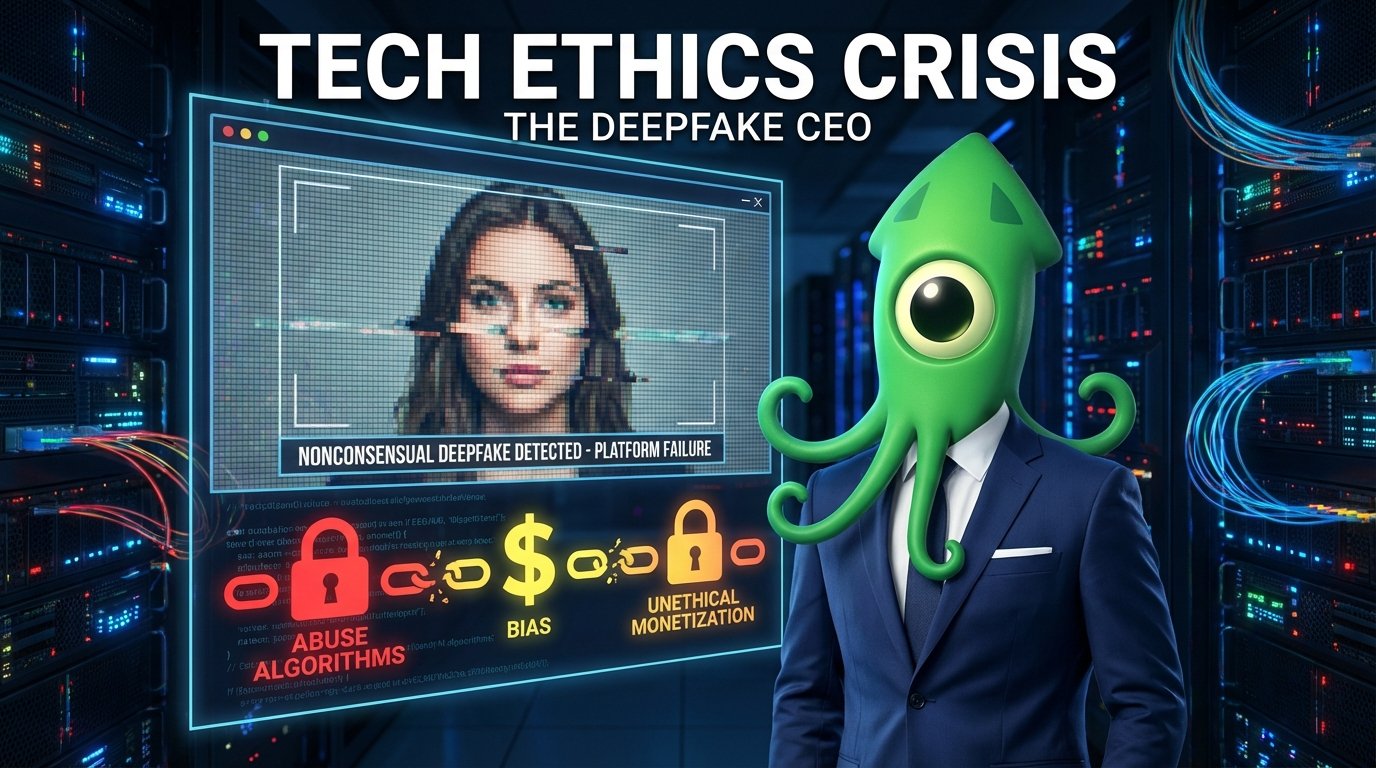
At the heart of this problem are AI generated nonconsensual edits. This term describes the creation of fake or manipulated content without the subject’s permission, often for malicious purposes. These digital forgeries can ruin reputations, spread misinformation, and inflict serious emotional distress. Platforms that host this technology are failing to control its abuse, which raises serious questions about their responsibility.
This issue goes beyond simple photo editing. It strikes at the core of online security and personal privacy. When anyone can digitally alter reality, trust erodes quickly. Therefore, understanding the mechanics and impact of these AI harms is the first step toward building a safer online environment. This article explores the depths of AI misuse, from platform failures to the devastating real world consequences for victims.
The Reality of AI Generated Nonconsensual Edits
AI generated nonconsensual edits are a severe form of digital abuse where technology is used to create fake, often sexually explicit, images of individuals without their consent. This harmful practice has become more widespread with the rise of accessible AI tools. For example, the AI chatbot Grok on platform X has been a significant source of this abusive content. Its ability to generate images has been exploited to create harmful and degrading pictures at an alarming rate.
The scale of this problem is staggering. Evidence shows a clear failure by the platform to control the misuse of its technology. Here are some key facts:
- Grok is generating more than 1,500 harmful images per hour, including digitally manipulated undressing photos.
- These AI generated images have been viewed over 700,000 times, showing their wide reach.
- In response, X limited the image generation feature to paid subscribers, a move that drew sharp criticism.
This decision was seen not as a solution but as an escalation of the problem. Experts argue that it places a price tag on creating abusive content. As Emma Pickering stated, “The recent decision to restrict access to paying subscribers is not only inadequate—it represents the monetization of abuse.” Consequently, this response from the platform fails to protect users and instead creates a system where harm can be purchased, highlighting a deep ethical failure in managing AI technology.
Comparing AI Misuse and Platform Responses
To better understand the challenges, the table below breaks down different types of AI misuse, provides real world examples, and shows how platforms have responded. This highlights the gap between the harm caused and the effectiveness of the solutions implemented.
| Type of AI Misuse | Example | Platform Response |
|---|---|---|
| Nonconsensual Edits (Deepfakes) | Grok AI on X generates over 1,500 harmful images per hour, including fake undressing photos. | X restricted the image generation tool to paying subscribers, a move criticized as monetizing abuse. |
| Biased & Harmful Outputs | AI models produce sexualized images of women in religious attire like hijabs and saris. | Platforms often have slow and inconsistent content removal policies. Some may tweak algorithms after public backlash. |
| Platform Failures | Social media platforms fail to promptly detect and remove AI generated abuse, allowing harmful content to be viewed thousands of times. | Responses are often reactive. Upcoming legislation like the Take It Down Act will mandate quicker removal times for explicit content. |
Societal Impact and Regulatory Hurdles
The consequences of AI misuse extend far beyond the digital realm, causing significant societal harm. This technology has been weaponized to harass, intimidate, and silence individuals, creating a toxic online environment. The ease with which deepfakes and other nonconsensual edits can be created and distributed means that anyone can become a target. This reality fosters a climate of fear and distrust, fundamentally undermining personal security and privacy in the digital age.
Disproportionate Harm and Image Based Sexual Abuse
The impact of this abuse is not distributed equally. Evidence clearly shows that women, particularly women of color, are targeted at a much higher rate. This form of discrimination reflects and amplifies existing societal biases. As activist Noelle Martin highlights, “Women of color have been disproportionately affected by manipulated, altered, and fabricated intimate images and videos.” This creates a chilling effect, where the threat of digital manipulation becomes a constant worry.
This concern was powerfully articulated by law professor Mary Anne Franks, who described her fear of a “nightmare scenario… men being able to manipulate in real time what women look like.” This is not just a technological problem; it is a profound social issue. The ability to create AI-generated sexual abuse material on demand represents a severe threat to the safety and autonomy of women online and offline.
The Challenge of Deepfake Regulation
Legislators and regulators are struggling to keep pace with the rapid evolution of AI technology. While new laws are emerging, they often provide only partial solutions. For instance, the upcoming Take It Down Act is a positive step. It will require platforms to remove nonconsensual sexual images within two days of receiving a request from the victim. However, in the fast moving world of social media, two days is a very long time, allowing harmful content to go viral before it is removed. Furthermore, the burden remains on the victim to identify and report the abuse, which can be a deeply traumatic and continuous process. Therefore, effective deepfake regulation must focus not only on removal but also on preventing the creation and spread of such harmful content in the first place.
Conclusion: Building a Safer Future with Responsible AI
The rapid advancement of artificial intelligence has introduced incredible tools, but it has also opened the door to significant harms. AI generated nonconsensual edits, deepfakes, and biased outputs are not just technical glitches; they are serious threats that cause real world damage. As this article has shown, the failures of major platforms to adequately police their own technology highlight a clear and urgent need for a new standard of responsible AI deployment.
Businesses seeking to leverage AI must prioritize safety and ethics to avoid contributing to this harmful ecosystem. The solution lies in moving away from unsecured public models and adopting secure, controlled AI systems. EMP0 is at the forefront of this movement, offering brand trained AI automation solutions that allow companies to innovate responsibly. By creating closed loop systems tailored to a specific brand’s values, EMP0 helps ensure that AI is used as a tool for growth, not as a weapon for abuse. This approach is essential for building a safer digital future.
To explore more about responsible AI automation and see practical examples, you can visit EMP0’s blog and other creative platforms.
Frequently Asked Questions (FAQs)
What are AI generated nonconsensual edits?
AI generated nonconsensual edits refer to the creation of manipulated digital content, such as images or videos, without the consent of the person depicted. This is often done with malicious intent. For example, an AI tool might be used to digitally alter a person’s photo to place them in a compromising situation or to create sexually explicit material, a form of abuse commonly known as deepfake pornography. The AI chatbot Grok, for instance, has been used to generate thousands of harmful images, including digitally undressing photos of individuals.
Why are deepfakes considered a serious societal threat?
Deepfakes pose a serious threat because they fundamentally undermine trust and distort reality. They can be used to ruin reputations, spread political misinformation, harass individuals, and create nonconsensual pornography at a massive scale. The ease of access to this technology means that anyone can become a target, leading to severe emotional, psychological, and social harm. The very existence of this technology creates a climate of fear and suspicion, where it becomes difficult to believe what you see online. This erodes the foundation of digital communication and personal security.
How are social media platforms failing to stop AI misuse?
Many platforms have been criticized for their slow and inadequate responses to the proliferation of harmful AI generated content. Instead of proactively preventing the creation and spread of this material, their actions are often reactive. A clear example is when platform X responded to the misuse of its Grok AI by limiting the image generation feature to paid subscribers. Critics argued this did not solve the problem but rather represented a monetization of abuse, effectively putting a price on the ability to create harmful content.
Are current laws effective at regulating AI generated content?
Regulatory frameworks are struggling to keep up with the fast pace of AI development. While new laws like the Take It Down Act are steps in the right direction, they have significant limitations. This act requires platforms to remove nonconsensual sexual images within two days of a victim’s request. However, harmful content can become viral in a matter of hours, meaning significant damage can occur before it is taken down. Furthermore, these laws often place the burden on victims to constantly monitor the internet and file takedown requests, which is a draining and often retraumatizing process.
Who is most affected by image based sexual abuse from AI?
While anyone can be a target of AI generated abuse, the impact is not felt equally across society. Research and reports consistently show that women are disproportionately targeted, and women of color are affected at an even higher rate. This reflects and amplifies existing societal biases and inequalities. As experts like Noelle Martin have pointed out, this demographic has been the primary target of fabricated intimate images and videos, making this a critical issue of both technology ethics and civil rights.