

Navigating the Tech Turbulence: Why Your Next Gadget Will Cost More
Have you noticed the price of new electronics creeping up? That new laptop or smartphone you have been eyeing might soon cost significantly more than you planned. This is not a coincidence but a direct consequence of a major shift in the technology sector. The industry is currently bracing for a substantial RAM price surge in 2026 driven by AI and data centre demand. This development is creating a ripple effect across the entire electronics market, putting immense pressure on the global supply chain.
The insatiable appetite for artificial intelligence and the massive expansion of data centers are consuming memory chips at an unprecedented rate. As a result, major technology companies are purchasing vast quantities of high performance memory, leaving a smaller supply for consumer devices. This article explores the core reasons behind this dramatic price increase. We will analyze how AI is reshaping the memory market and discuss the potential consequences for your next technology purchase.
The AI Effect: A Closer Look at the RAM price surge in 2026 driven by AI and data centre demand
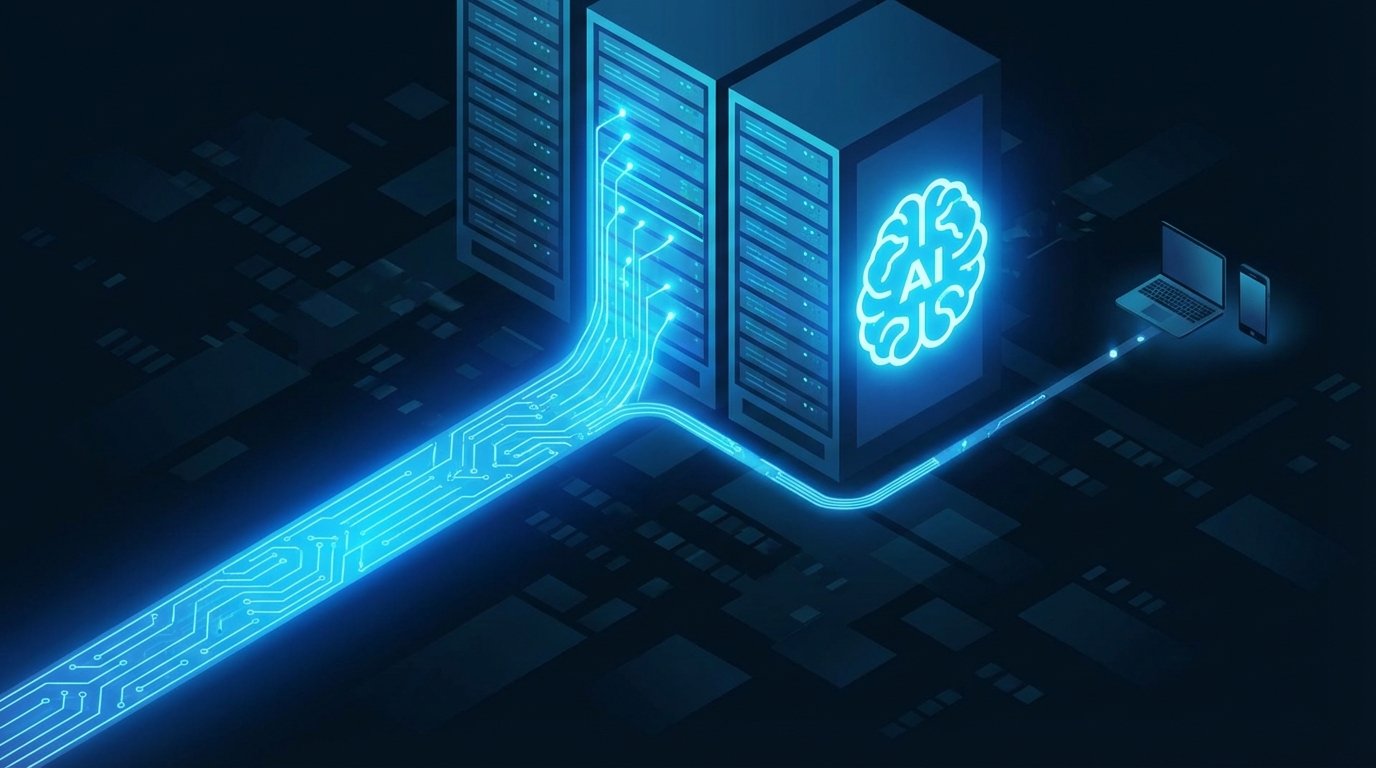
The primary force behind the escalating cost of RAM is the explosive growth of artificial intelligence. AI models and applications require enormous amounts of memory to process complex calculations. Consequently, technology giants like Amazon and Google are aggressively expanding their data centers to meet this demand. They are securing massive orders for memory chips for 2026 and 2027, creating a significant supply and demand imbalance. This intense competition for memory has led to shocking price hikes. Some industry insiders report being quoted costs that are “around 500% higher than they were only a couple of months ago.” This surge is not just a minor fluctuation; it represents a fundamental shift in the market. The demand from hyperscalers is so strong that some suppliers have even paused issuing price quotes, confident that prices will climb even higher.
Several key factors are contributing to this situation:
- High Bandwidth Memory (HBM): AI applications heavily rely on specialized HBM. This type of memory is more complex and costly to produce. As a result, it diverts manufacturing capacity from standard consumer RAM.
- Supply Chain Constraints: Memory manufacturers are struggling to scale up production quickly enough. They cannot meet the sudden and massive increase in demand from the AI sector.
- Strategic Stockpiling: Large cloud service providers like Google Cloud are finalizing their memory requirements for the next few years. They are effectively buying up a significant portion of the future supply, which you can read more about on their AI solutions page.
As a result, the memory intended for laptops, smartphones, and other consumer electronics is becoming scarcer and much more expensive, a trend that will inevitably be passed on to the end user.
The Ripple Effect: How Soaring RAM Prices Will Hit Your Wallet
The surge in memory prices is not just an industry problem; it is a reality that will soon affect your budget. As manufacturers face escalating component costs, they have little choice but to pass these increases on to consumers. Industry experts warn that “there will come a point” where these increased component costs will “force” manufacturers to “make decisions about pricing.” Consequently, the price tags on your favorite gadgets are set to climb, a trend you can track on tech news sites like TechCrunch.
This is not a small change. Let’s look at the numbers to understand the direct financial impact:
- Laptops: According to analysts, “a typical laptop, with 16GB of RAM, could see its manufacturing cost increase by $40 to $50 in 2026.” This increase will almost certainly be passed on to you at the point of sale.
- Smartphones: Similarly, “a typical smartphone could see its cost to build increase $30 which, again, will likely get passed on directly to consumer.”
This shift is fundamentally altering the economics of building electronics. Where memory once accounted for a modest 15 to 20 percent of a PC’s total cost, that figure has now ballooned to between 30 and 40 percent. Because of this, manufacturers can no longer absorb the rising costs without affecting their own financial stability.
As a consumer, you will face a difficult choice. An analyst from Tech Insights puts it plainly: you may have to “pay a higher price for the performance they need, or accept a compromise in a lower performing device.” This means you might have to decide between paying a premium for a high performance device or settling for a gadget with less memory and slower capabilities. The era of predictable tech prices is facing a major disruption, and the choices for consumers are becoming harder.
Visualizing the Financial Impact
To better understand how these changes affect different products, here is a breakdown of the cost implications across the market.
| Device | Manufacturing Cost Increase (2026 Estimate) | Consumer Cost Implication | Memory’s Share of Device Cost | Vendor Pricing Impact |
|---|---|---|---|---|
| Laptops (16GB RAM) | $40 to $50 | Price increase passed directly to buyers | Risen from 15-20% to 30-40% | Varies from 1.5x to over 5x increase |
| Smartphones | Approximately $30 | Price increase passed directly to buyers | Significant increase, altering build cost | Dependent on inventory levels |
Conclusion: Adapting to the New Tech Economy
The technology market is at a crossroads. The impending RAM price surge in 2026, fueled by the relentless demand from AI and data centers, is reshaping the entire electronics industry. This shift is not temporary; it signals a new reality where component scarcity and higher costs are becoming the norm. For consumers, this means preparing for more expensive gadgets and making tougher choices about the technology they buy. Manufacturers, in turn, are forced to rethink their pricing and supply strategies in a volatile market.
In times of such significant change, adaptation is crucial for businesses. Companies that leverage technology to become more efficient will be better positioned to handle these market pressures. This is where a partner like EMP0 (Employee Number Zero, LLC) becomes invaluable. EMP0 provides sophisticated AI driven automation solutions designed to help businesses navigate complex market dynamics. By implementing intelligent sales and marketing automation tools under a secure client infrastructure, companies can optimize their operations and maintain a competitive edge.
As we move into this new era, embracing smart automation and strategic planning will be essential for success. The landscape is changing, but with the right tools, businesses can turn these challenges into opportunities for growth.
Find out more about our work:
Frequently Asked Questions (FAQs)
What is the main reason for the sudden RAM price surge?
The primary driver is the massive and rapidly growing demand from the artificial intelligence (AI) and data center sectors. AI applications require enormous amounts of high performance memory, specifically High Bandwidth Memory (HBM), to function. As tech giants like Google and Amazon expand their AI capabilities, they are buying up a huge portion of the global memory supply. This creates a shortage for the consumer market, leading to a classic supply and demand imbalance and causing prices to rise dramatically.
How will this directly affect the price of new electronics?
Consumers will almost certainly see higher prices for new devices. Manufacturers cannot absorb the steep increase in component costs. As a result, the manufacturing cost for a typical laptop with 16GB of RAM is expected to increase by $40 to $50. Similarly, a new smartphone could cost about $30 more to produce. These additional costs will be passed on to the buyer, making new technology more expensive across the board.
How are companies in the tech industry reacting to this?
Responses vary. Some memory suppliers have temporarily stopped issuing price quotes because they expect prices to climb even higher. Memory manufacturer Micron, for example, has discontinued its consumer focused Crucial brand to prioritize the more profitable AI market. This move reduces consumer choice. Other device manufacturers with larger existing inventories of RAM may offer more subtle price increases initially, but they will eventually have to adjust as their supplies run out.
Should I expect RAM prices to go down anytime soon?
It is unlikely that prices will return to previous levels in the near future. The demand for AI is not a short term trend; it is a long term technological shift. Major cloud providers are already securing their memory needs for 2026 and 2027, which indicates that high demand will persist. While the market may eventually stabilize as production capacity increases, the current pricing pressures are expected to continue for the foreseeable future.
Will all my electronic devices become more expensive?
Any device that uses memory or storage has the potential for a price increase. The impact will be most noticeable on products where RAM makes up a significant portion of the total cost, such as high performance laptops, PCs, and flagship smartphones. Gadgets with lower memory requirements might see a smaller price bump, but the ripple effect will be felt across the entire electronics industry.