
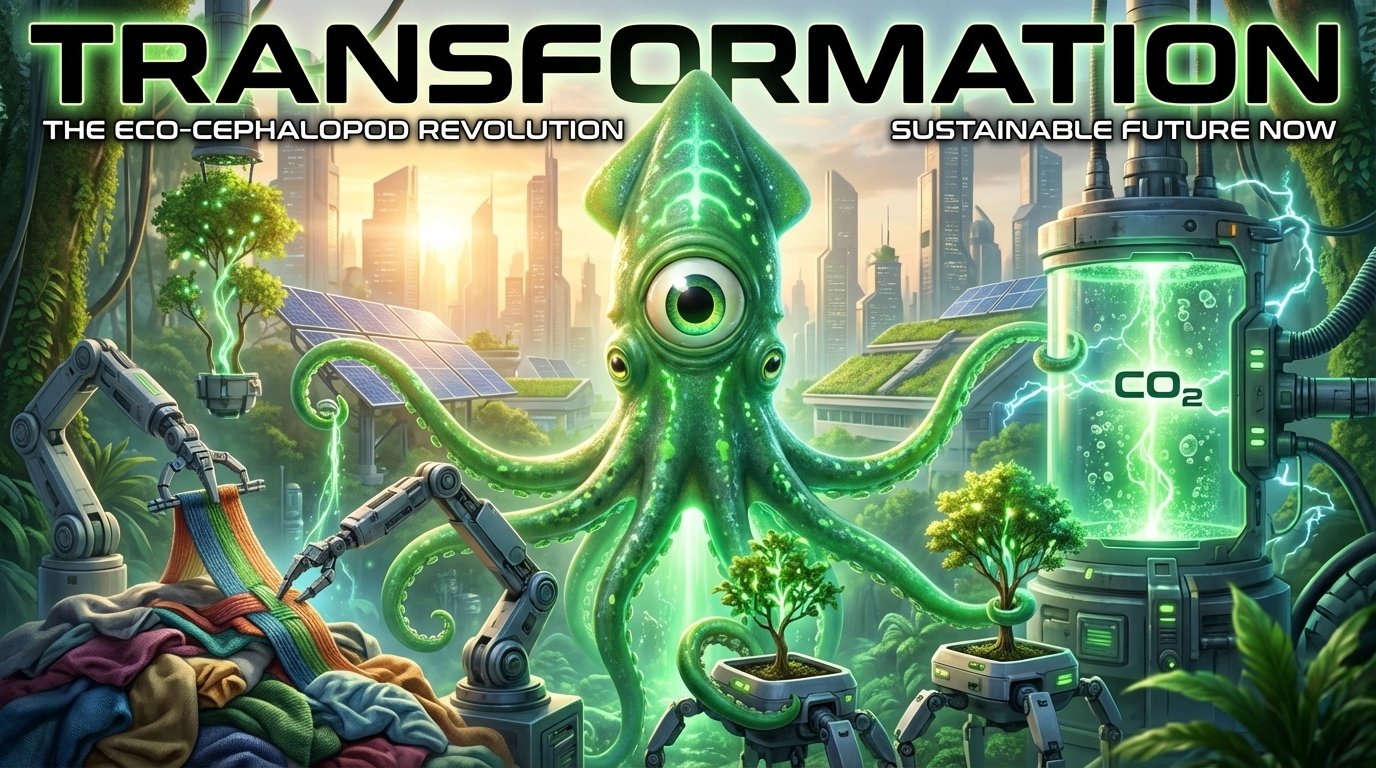
Clean tech and energy startups: Clean tech and robotics to watch — CO2 conversion, textile recycling, and automated reforestation
Clean tech and energy startups are reshaping how we power and protect the planet. They blend robotics, materials science, and AI to solve urgent climate problems. They move fast because market demand and regulatory pressure converge.
Innovation matters because emissions, waste, and biodiversity loss risk our future. Therefore scalable solutions such as CO2 conversion and textile recycling matter.
Automated reforestation and tree-planting robots can restore ecosystems at scale. Moreover drones and ground robots reduce cost and speed up reforestation projects.
This roundup highlights startups turning waste gases into feedstocks and fibers into fresh textiles. It covers AI-driven carbon capture, bio-based recycling, and on-site energy innovations. Readers will find practical examples, technology signals, and investment trends to watch. As a result you will understand which technologies could industrially scale soon.
Startups like Kaio Labs, MacroCycle, and Namu Robotics show applied solutions today. However, technical risk remains, and the cost curve must keep improving. Still, venture capital and policy support are accelerating deployment worldwide. Read on to discover the most promising clean tech pathways and robotics breakthroughs.
Key clean tech and energy startups to watch
These clean tech and energy startups blend chemistry, AI, and robotics to cut pollution and create circular supply chains. Because the climate clock is ticking, these teams focus on scalable impact. Moreover they turn waste streams into valuable feedstocks.
AraBat
AraBat uses a bio based leaching process to recover critical metals from spent lithium ion batteries. Their method uses plant waste such as citrus peels to extract nickel and cobalt. Therefore they lower chemical waste and reduce reliance on mining.
- Recovers critical battery metals with bio based chemistry
- Cuts hazardous reagents and downstream waste
- Enables circular battery supply chains and lower embodied carbon
CarbonBridge
CarbonBridge builds bioreactors that convert methane and CO2 into useful molecules and intermediates. Their systems mimic natural metabolism, but at industrial scale. As a result they help industries close the loop on waste gases.
- Converts waste gases into chemicals and fuels
- Reduces methane and CO2 emissions on site
- Provides feedstocks for chemical manufacturers and energy users
Kaio Labs
Kaio Labs uses AI guided discovery to convert CO2 into carbon monoxide, formic acid, and ethylene. Because they combine automated discovery with catalysis, they accelerate materials development. Their approach reflects broader advances in AI materials discovery and productization: AI materials discovery and productization.
- AI accelerated catalyst discovery for CO2 conversion
- Produces market ready feedstocks from emissions
- Lowers energy intensity versus traditional routes
MacroCycle
MacroCycle targets polyester textile recycling with a patented chemical process. Thus they make recycled polyester cost competitive with virgin plastic. Moreover this reduces textile waste and fossil feedstock demand.
- Depolymerizes polyester into monomers at low cost
- Enables true circularity for fashion and fabrics
- Lowers plastic production emissions and landfill pressure
Namu Robotics
Namu Robotics develops tree planting robots for reforestation projects. Their ground robots plant at high density and low cost. Therefore restoration can scale faster and with greater accuracy.
- Autonomous tree planting and seedling deployment
- Dramatically lowers labor cost for reforestation
- Integrates with monitoring platforms for survival rates
These startups show how robotics, bio based recycling, and AI driven chemistry converge. For context on startup programs and exposure, see TechCrunch coverage. For energy transition framing, consult the IEA.
'><path d='M40 0 L80 0 L80 80 Q80 110 40 110 Q0 110 0 80 L0 0 Z' fill='%23bfefff' stroke='%237fc9db' stroke-width='3'/><circle cx='60' cy='-10' r='10' fill='%238ad3ff'/><circle cx='40' cy='-4' r='8' fill='%237fc9db'/><circle cx='75' cy='5' r='6' fill='%23aee1ff'/><ellipse cx='40' cy='85' rx='30' ry='8' fill='%2337c57a'/></g><g transform='translate(560,200)'><rect x='0' y='10' width='160' height='80' rx='16' fill='%23ffd9b3' stroke='%23f0b47a' stroke-width='3'/><path d='M140 20 A40 40 0 0 1 120 80' fill='none' stroke='%234fb26a' stroke-width='10' stroke-linecap='round'/><path d='M20 90 A40 40 0 0 0 40 30' fill='none' stroke='%234fb26a' stroke-width='10' stroke-linecap='round'/><circle cx='80' cy='50' r='18' fill='%23f6c27a'/></g><g transform='translate(840,220)'><rect x='20' y='70' width='120' height='40' rx='8' fill='%23cbd8ff' stroke='%239aaeea' stroke-width='3'/><rect x='70' y='30' width='40' height='40' rx='6' fill='%239aaeea' stroke='%237a90d6' stroke-width='3'/><path d='M90 30 L120 20 L130 40' stroke='%237a90d6' stroke-width='8' stroke-linecap='round' fill='none'/><circle cx='130' cy='45' r='6' fill='%236fbf6a'/><rect x='100' y='110' width='40' height='10' fill='%238fbf7a'/><ellipse cx='120' cy='125' rx='28' ry='8' fill='%238a6b4a'/><rect x='112' y='96' width='16' height='30' fill='%232f9e44' rx='3'/></g></svg>” alt=”Clean tech and robotics illustration” />
</div>
<div>
<h2>Comparison: clean tech and energy startups</h2>
<p>This quick table compares five startups by technology, core innovation, environmental impact, and market readiness. Use it to scan differences and spot near term winners.</p>
<table>
<thead>
<tr>
<th>Startup</th>
<th>Technology type</th>
<th>Core innovation</th>
<th>Environmental impact</th>
<th>Market readiness</th>
</tr>
</thead>
<tbody>
<tr>
<td>AraBat</td>
<td>
<ul>
<li>Bio based hydrometallurgy</li>
<li>Biochemical leaching</li>
</ul>
</td>
<td>
<ul>
<li>Uses plant waste such as citrus peels to extract nickel and cobalt</li>
<li>Reduces hazardous chemical use</li>
</ul>
</td>
<td>
<ul>
<li>Cuts mining demand and embodied carbon</li>
<li>Lowers chemical waste streams</li>
</ul>
</td>
<td>
<ul>
<li>Pilot to early commercial projects</li>
<li>Partnering with recyclers and battery makers</li>
</ul>
</td>
</tr>
<tr>
<td>CarbonBridge</td>
<td>
<ul>
<li>Gas fermentation bioreactors</li>
<li>Industrial biotechnology</li>
</ul>
</td>
<td>
<ul>
<li>Transforms methane and CO2 into chemicals and fuels</li>
<li>Mimics microbial metabolism at scale</li>
</ul>
</td>
<td>
<ul>
<li>Reduces methane and CO2 emissions on site</li>
<li>Supplies low carbon feedstocks</li>
</ul>
</td>
<td>
<ul>
<li>Demonstration plants operational</li>
<li>Moving to commercial scale with industrial partners</li>
</ul>
</td>
</tr>
<tr>
<td>Kaio Labs</td>
<td>
<ul>
<li>AI accelerated catalysis</li>
<li>Automated materials discovery</li>
</ul>
</td>
<td>
<ul>
<li>Discovers catalysts to convert CO2 to CO, formic acid, ethylene</li>
<li>Speeds up lab to plant timelines</li>
</ul>
</td>
<td>
<ul>
<li>Turns emissions into valuable feedstocks</li>
<li>Lowers process energy and carbon intensity</li>
</ul>
</td>
<td>
<ul>
<li>Lab validated catalysts</li>
<li>Early pilot integrations planned</li>
</ul>
</td>
</tr>
<tr>
<td>MacroCycle</td>
<td>
<ul>
<li>Chemical recycling for polyester</li>
<li>Depolymerization technology</li>
</ul>
</td>
<td>
<ul>
<li>Depolymerizes polyester to monomers at low cost</li>
<li>Aims to match virgin pricing</li>
</ul>
</td>
<td>
<ul>
<li>Enables circular textiles and less landfill</li>
<li>Reduces fossil feedstock demand</li>
</ul>
</td>
<td>
<ul>
<li>Pilot plants and commercial trials ongoing</li>
<li>Targets apparel and fiber markets</li>
</ul>
</td>
</tr>
<tr>
<td>Namu Robotics</td>
<td>
<ul>
<li>Autonomous planting robots</li>
<li>Precision reforestation robotics</li>
</ul>
</td>
<td>
<ul>
<li>Plants seedlings at scale with ground robots</li>
<li>Integrates mapping and survival monitoring</li>
</ul>
</td>
<td>
<ul>
<li>Lowers cost per tree and increases planting speed</li>
<li>Improves restoration success rates</li>
</ul>
</td>
<td>
<ul>
<li>Field trials completed</li>
<li>Commercial deployments for large projects</li>
</ul>
</td>
</tr>
</tbody>
</table>
</div>
<div>
<h2>AI and automation in clean tech and energy startups</h2>
<p>AI and automation power faster innovation across clean tech and energy startups. Because data and robotics reduce friction, teams scale solutions faster. Moreover AI shortens discovery cycles and improves operational efficiency.</p>
<p>Coral and Emobi show pragmatic examples. Coral uses AI to automate carbon accounting and trace credits on blockchain. Emobi runs an AI enabled cloud platform for universal EV charging. Therefore both firms reduce overhead and unlock new revenue streams.</p>
<h3>Benefits of AI and automation</h3>
<ul>
<li>Efficiency improvements
<ul>
<li>Automates repetitive tasks and monitoring</li>
<li>Optimizes energy flows and charge cycles</li>
<li>Improves resource yields in chemical processes</li>
</ul>
</li>
<li>Cost reduction
<ul>
<li>Lowers labor and operational costs through automation</li>
<li>Reduces wasted feedstock with predictive controls</li>
<li>Speeds commercialization via virtual testing</li>
</ul>
</li>
<li>Scalability and speed
<ul>
<li>Enables remote management of distributed assets</li>
<li>Rapidly scales pilot projects to commercial sites</li>
<li>Accelerates materials discovery with AI guided experiments</li>
</ul>
</li>
</ul>
<h3>Real world impacts and examples</h3>
<ul>
<li>Kaio Labs uses AI to find catalysts that convert CO2 to feedstocks. As a result discovery timelines fall from years to months. See how AI materials discovery is maturing: <a href=) AI materials discovery.
AI materials discovery.
For wider context on AI driven startups, read how AI shapes business and tech at AI in business and technology. For event exposure and startup signals, see TechCrunch.
Clean tech and energy startups are transforming the landscape of sustainability and innovation. By leveraging CO2 conversion, textile recycling, and automated reforestation, these startups are not only showcasing potential for sustainable growth but also paving the way towards a greener future. They highlight a profound commitment to environmental stewardship, which is vital in today’s rapidly changing world.
Startups like AraBat, CarbonBridge, and Kaio Labs demonstrate how innovative technologies can convert waste into valuable resources. This not only reduces environmental footprints but also provides scalable solutions for global challenges.
Meanwhile, businesses like Coral and Emobi illustrate the power of AI and automation in optimizing resource usage and improving operational efficiencies.
Empowering many of these breakthroughs is EMP0, a leading provider in AI and automation solutions. EMP0 offers tailored AI-powered systems that boost growth and operational efficiencies for startups. With a secure infrastructure, EMP0’s brand-trained AI workers are designed to multiply revenue streams, allowing companies to thrive in competitive markets.
Discover more about how EMP0 catalyzes innovation at their website, blog, or connect through Twitter/X and Medium.
Frequently Asked Questions (FAQs) — clean tech and energy startups
What is CO2 conversion and why does it matter?
CO2 conversion turns carbon dioxide into useful molecules and fuels. Startups use catalysts, bioreactors, or electrochemical systems. Because it captures emissions and creates value, it lowers net carbon footprints. As a result industries can close material loops and cut greenhouse gases.
How does textile recycling technology work, and is it scalable?
Chemical recycling breaks polyester back to its monomers. Then firms repolymerize those monomers into new fibers. MacroCycle and similar startups lower cost and energy use. Therefore recycled fibers become competitive with virgin polyester. In time this can cut landfill waste and fossil feedstock demand.
Are robotic tree planters effective for reforestation?
Yes, robots offer speed and precision at scale. Namu Robotics uses ground robots to plant seedlings efficiently. Moreover robotic systems map sites and monitor survival rates. Because labor costs fall, projects can plant more trees with the same budget.
What role does AI play in clean tech innovation?
AI accelerates discovery and optimizes operations. For example, Kaio Labs uses AI for catalyst discovery. Coral automates carbon accounting with AI and blockchain. Emobi runs AI enabled EV charging to improve uptime and utilization. Consequently AI reduces time to market and cuts operating costs.
How can investors and partners support these startups?
Invest through seed rounds or venture funds focused on sustainability. Provide pilot sites and industrial partnerships for demonstrations. Offer procurement commitments to scale manufacturing and supply. In this way investors de-risk commercial rollout and speed adoption.
If you want deeper technical reading, consult the materials discovery and AI in business coverage linked earlier in this article.