AI-Generated Content on Pinterest: A New Identity Crisis
On Pinterest, a visual discovery engine used by hundreds of millions, AI-generated content on Pinterest (AI slop) is spreading fast. As generative images and synthetic pins flood feeds, the platform faces a new identity crisis that matters to both everyday users and creators, because it reshapes what feels authentic, alters shopping and ad experiences, skews search results toward paid content, pressures monetization, and shifts who gets visibility and income.
However, Pinterest’s image based feed makes it especially vulnerable to synthetic spam and noise. Therefore, many people worry real creators will be drowned out and demoted.
Moreover, because AI enables cheaper, more realistic content and because ads and ghost stores can masquerade as discovery, we must ask tough questions about transparency, labeling like Gen AI Labels, enforcement failures revealed by investigations, the deactivation of deceptive sites, mounting user frustration, commercial harm to small creators, and the future of genuine creative labor.
AI-generated content on Pinterest (AI slop): The Emergence and Surge
Pinterest began as a visual discovery engine in 2010, and it has grown into a platform with more than half a billion active users. However, the rise of generative images and synthetic pins has changed what people find when they look for ideas. Because the platform is image focused, AI content spreads quickly and can dominate search results.
Key milestones and facts
- Pinterest launched in 2010 and later scaled to over 500 million active users, which matters because reach amplifies any content shift.
- After a weak outlook following third quarter results, Pinterest shares dropped about 20 percent in November, showing investor concern about growth and monetization.
- When a new account searched for ballet pumps, over 40 percent of the first 73 Pins shown were ads, which suggests ad pressure now influences discovery.
Why Gen AI Labels matter
- In April, Pinterest introduced Gen AI Labels to disclose AI modified content. These labels aim to improve transparency, and they matter to creators and consumers.
- In October, Pinterest added tools so users can control how much AI generated content they see. However, labels appear after clicking a Pin and are not applied to ads, which weakens transparency.
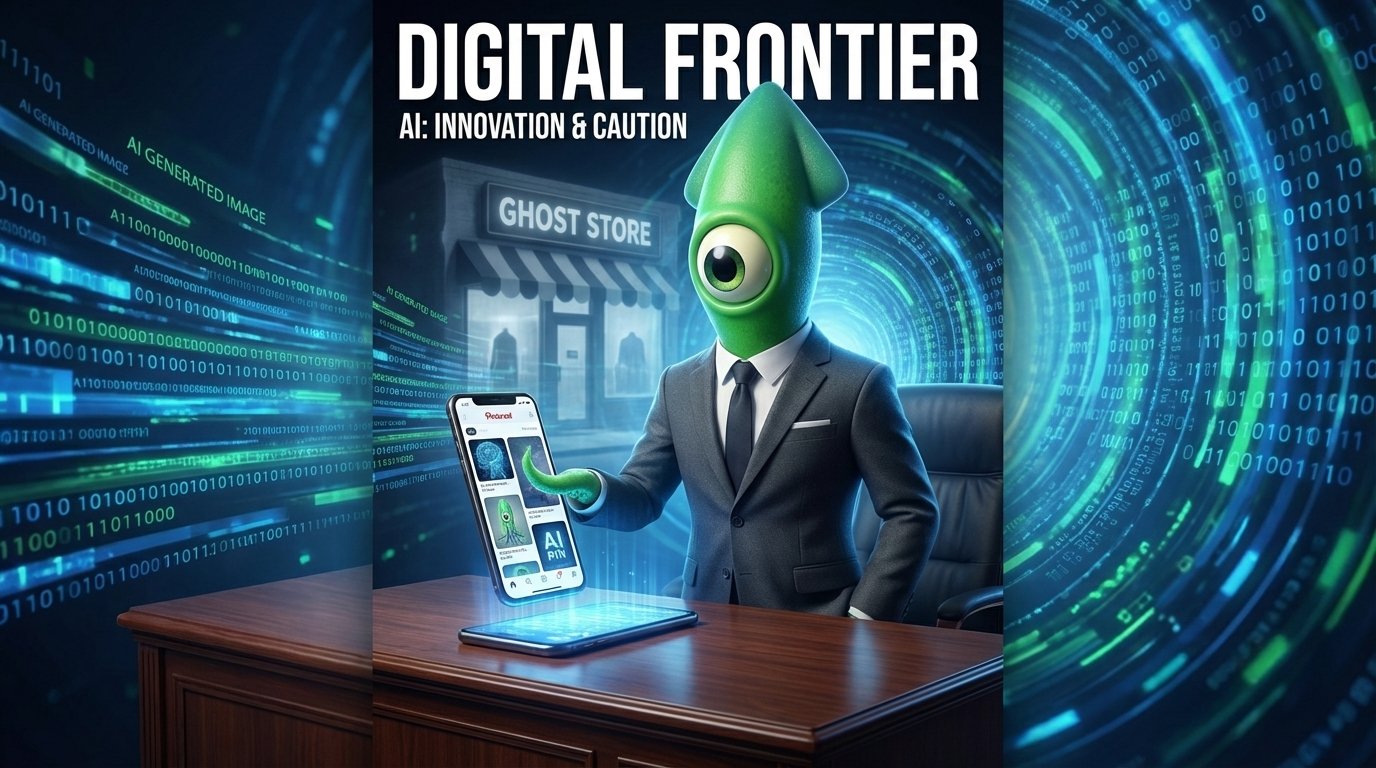
- AI content often links to outside sites, sometimes to ghost stores. After an investigation, Pinterest deactivated 15 deceptive sites, which shows enforcement can follow public pressure.
Because these trends combine platform scale, ad incentives, and new generative tools, the surge of AI generated content on Pinterest raises urgent questions about authenticity, enforcement, and creator economics. For more context, see this related article: related article.

| Dimension | AI-generated content on Pinterest (AI slop) | Authentic human-generated content |
|---|---|---|
| Authenticity |
|
|
| Visual variety |
|
|
| User engagement |
|
|
| Labeling and transparency |
|
|
| Impact on creators |
|
|
| Prevalence and scale |
|
|
AI-generated content on Pinterest (AI slop): Consumer Confusion and Creator Backlash
Users report confusion because AI images can look real but lack provenance. As a result, everyday discovery feels less trustworthy. Souzan Thorne warned that “Pinterest is losing everything people loved, which was authentic Pins and authentic people.” Therefore many longtime users feel the platform’s soul is slipping away.
- User confusion
- AI images often mimic craft and lifestyle Pins.
- Consequently, shoppers struggle to find real products and honest reviews.
- When ads and AI Pins dominate search, discovery becomes pay to play, not serendipity.
- Creator backlash
- Human creators face cheaper competition because AI content scales fast.
- Many report lower organic reach and fewer sales from Pins.
- Creators say the system rewards volume and polish over provenance.
AI-generated content on Pinterest (AI slop): Ghost Stores and Platform Responses
Ghost stores are fake websites linked from Pins. They promise discounts but often vanish after purchases. Investigations found such deceptive sites and led Pinterest to deactivate 15 fraudulent domains. However, the problem shows how AI content can funnel traffic off platform into scammy networks.
Pinterest has introduced Gen AI Labels and later added user controls for AI content. Yet labels appear only after a Pin is clicked, and they do not apply to ads. Therefore transparency remains partial. Moreover, while controls let some users reduce synthetic content in their feeds, creators still see the economic impact because ad saturation and algorithmic weighting favor professionalized, cost efficient content.
Because image feeds emphasize aesthetics, the stakes are high. If platforms do not pair labeling with stronger enforcement and clearer ad disclosure, then authentic creators and trusting consumers will lose out. As a result, policy, platform design, and community norms must evolve quickly to protect both audiences and livelihoods.
Conclusion: AI-generated content on Pinterest (AI slop) — Where We Stand
AI-generated content on Pinterest (AI slop) has reshaped discovery and raised urgent questions about trust, transparency, and creator livelihoods. Because the platform is image led, synthetic pins can flood feeds and dilute authentic voices. Therefore consumers face confusion and creators face competition from low-cost, high-volume AI production. Moreover ghost stores and ad saturation show how AI content can funnel users off platform and erode commerce confidence.
Pinterest has taken steps to confront the issue. It introduced Gen AI Labels to disclose AI modifications, and later added controls to let users reduce synthetic content in feeds. However labels appear only after clicking a Pin, and they do not apply to ads. As a result, transparency remains incomplete and enforcement gaps persist. For authenticity to matter, platforms must pair labeling with stronger ad disclosure and proactive removal of deceptive sites.
EMP0 helps businesses navigate this new landscape. We build AI and automation solutions that balance scale with authenticity, including tools like Content Engine and Sales Automation. If you want practical help to use AI responsibly and protect brand trust, visit EMP0’s profiles below to learn more and connect.
Website: EMP0 Website
Blog: EMP0 Blog
Twitter/X: EMP0 Twitter
Medium: EMP0 Medium
n8n: EMP0 n8n Profile
Frequently Asked Questions (FAQs)
What is AI-generated content on Pinterest (AI slop)?
AI-generated content on Pinterest, often referred to as “AI slop,” includes synthetic visuals and pins created using algorithms and generative techniques. While they often mimic authentic content in style, they lack the personal touch and originality typical of human-generated pins.
How does AI-generated content affect Pinterest users?
Users may find the discovery experience on Pinterest less satisfying due to the dominance of AI-generated content. Because AI pins can look polished and craft like, users may confuse them with authentic products, potentially leading to trust issues and shopping frustrations.
What impact does AI-generated content have on creators?
AI-generated content presents a major challenge for authentic creators. It can overshadow human-made content due to its ability to scale rapidly and cost-effectively. Many creators report declines in visibility, engagement, and sales, as platforms reward volume and aesthetics over artisanal quality.
How does Pinterest handle the labeling of AI-generated content?
Pinterest has introduced Gen AI Labels to provide transparency regarding AI content on the platform. However, these labels only become visible after users click on a pin, and they are not applied to ads, resulting in incomplete transparency.
What are ‘ghost stores’ linked to AI-generated content, and why are they a concern?
Ghost stores are fraudulent websites linked from Pinterest ads or pins, often facilitated by AI-generated content to lure users with fake discounts or products. They erode trust and complicate the shopping experience, as users may unknowingly engage with unreliable sellers. Pinterest has begun deactivating such deceptive sites but enforcement challenges persist.
For a deeper insight into AI-generated content’s impact, visit our related article here.